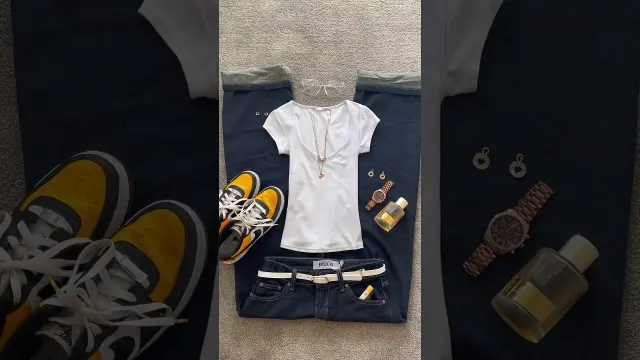
 How to Style Basic Wardrobe Pieces Into Cute Outfits
#Fashion Styling
2 ideas
How to Style Basic Wardrobe Pieces Into Cute Outfits
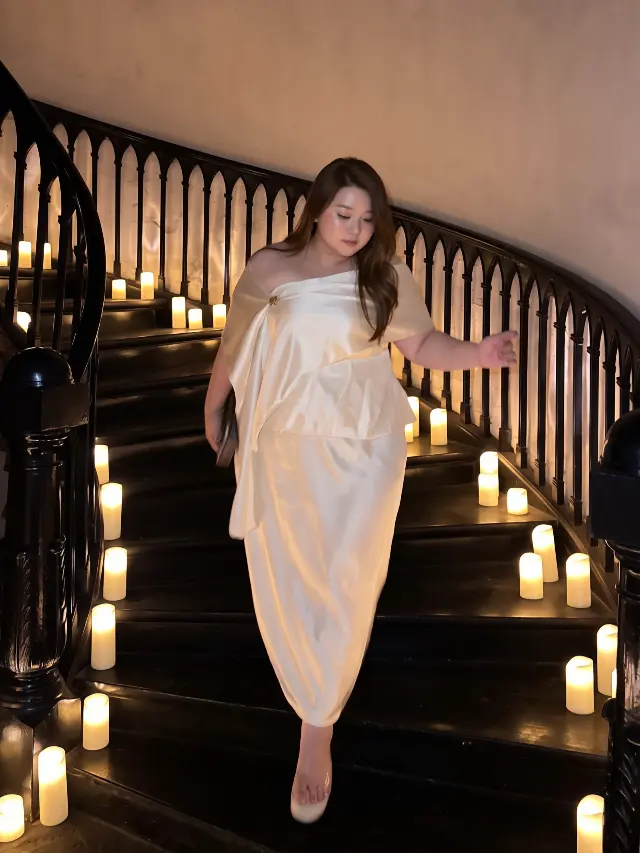 Evening Look Styled with est.thelabel for a Memorable Night
Get new #Fashion Styling ideas by email
Every Thursday: the week's best ideas, with the newest from #Fashion Styling.
Related tags
Fashion Styling: A Beginner's Guide to Dressing With Intention
Fashion styling is the art of putting clothes, shoes, and accessories together into a complete look. Where a fashion designer creates garments, a stylist works with what already exists — choosing, combining, and adapting pieces to suit a person, a mood, an occasion, or a story. Styling happens everywhere: in magazine editorials, on film sets, in shop windows, in personal wardrobes, and in the photos people share online.
Where styling comes from
Dressing with care is as old as clothing itself, but styling as a recognised craft grew alongside fashion photography and the illustrated press. As images of clothing became central to how fashion was sold and talked about, someone had to decide how each piece was worn, layered, and framed. Over time that role became its own profession, sitting between design, photography, and the person wearing the clothes.
The main kinds of styling
Read more
- Editorial styling: building looks for photography, often around a concept or a mood rather than everyday wear.
- Personal styling: helping one person dress in a way that fits their body, life, and taste.
- Commercial and brand styling: preparing clothing for catalogues, campaigns, and shop displays.
- Wardrobe styling for film and television: dressing characters consistently so they read as real people.
These overlap, but each asks a slightly different question. Editorial styling asks what looks striking; personal styling asks what feels right for you.
What beginners should know
Start with fit. A simple garment that fits well almost always looks better than an elaborate one that does not. Learn your own proportions and which lengths, necklines, and cuts feel comfortable and flattering on you, and let that knowledge guide your choices.
Build around a small set of pieces you genuinely wear. Most outfits come from combining a few reliable basics with one element that adds interest — a colour, a texture, a piece with personality. Understanding a little colour theory helps: neutral tones are easy to combine, while accent colours draw the eye and work best in smaller amounts.
Consider proportion and balance. A loose top with a fitted bottom, or the reverse, tends to feel considered. Layering adds depth, but too many competing elements can cancel each other out.
Practical tips
Before buying, think about at least three outfits the piece could join. Try clothes in daylight and move around in them, since how something feels when you sit, walk, and reach matters as much as how it looks standing still. Keep a note or photos of combinations that worked, so you can return to them.
Finally, remember that styling is a skill, not a talent you either have or don't. It improves with attention and practice, and the best styling is the kind that lets you feel at ease in what you wear.
#Fashion Styling: frequently asked questions
How do I get started with fashion styling if I have no experience?
Begin with the clothes already in your wardrobe rather than with shopping: pull out the pieces you reach for most and study what they have in common in fit, length, and tone. Try putting them together in combinations you haven't worn before, in front of a mirror and in daylight, and keep the ones that feel right. Like any craft, styling grows through repetition, so treat each attempt as practice rather than a test.
What do I actually need to start styling outfits?
No special equipment is required — a full-length mirror, good natural light, and a small core of well-fitting basics will carry you a long way. A camera or phone to record combinations that worked is genuinely useful, because memory is unreliable and a photo makes a good outfit repeatable. Beyond that, the main requirement is patience with yourself while your eye develops.
Which kind of styling should I choose — editorial, personal, or commercial?
It depends on what you want the outfit to do: editorial styling serves an image or a mood, personal styling serves one person's daily life and comfort, and commercial styling serves a product that has to read clearly to a shopper. Film and television work is closer to personal styling in that it has to feel believable for a character. The skills overlap heavily, so starting with the one that matches your own interests is a reasonable way in.
How do I put together an outfit for an evening out?
Choose one element to be the focal point — a colour, a fabric with sheen, or a distinctive piece — and let everything else support it quietly. Balance the silhouette so volume in one area is offset elsewhere, and check that you can sit, walk, and move comfortably, since an outfit that only works standing still will let you down. Finishing touches like jewellery or a bag are usually most effective when they echo the focal element rather than compete with it.
What mistakes do beginners make most often?
The most common is ignoring fit in favour of an interesting design, when a simple piece that sits properly will almost always look better. The second is piling on too many competing details at once, which cancels out the very interest the outfit was meant to have. A third is buying a piece without knowing which existing clothes it will join, which is how wardrobes fill up with things that never get worn.
How do I keep a styled wardrobe looking good over time?
Follow the care instructions on each garment and store pieces so they keep their shape, since well-kept clothes read as more considered than neglected ones. Every so often, revisit your saved photos of combinations that worked and edit out what no longer fits your life or your taste. A wardrobe that gets reviewed and pruned stays easier to style than one that only grows.
Videos come from YouTube and posts from Instagram; titles and summaries are our own. All rights belong to their creators.