 Fluffy Avocado Potato Buns without Flour
#Bread
2 ideas
Fluffy Avocado Potato Buns without Flour
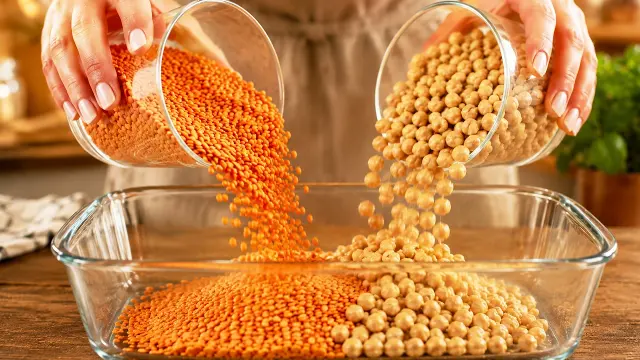 Gluten Free Bread Made from Chickpeas and Lentils
Get new #Bread ideas by email
Every Thursday: the week's best ideas, with the newest from #Bread.
Related tags
Bread: A Simple Guide to Baking and Enjoying It
Bread is one of the oldest and most familiar foods in the world. At its simplest, it is made by combining flour or another grain with liquid, then baking the mixture so it becomes set, fragrant, and easy to slice or tear. Many cultures have their own bread traditions, from soft loaves and flatbreads to crisp rolls and enriched buns. Because bread is so adaptable, it can be plain or flavored, rustic or delicate, everyday food or part of a special meal.
What bread is made from
Most breads begin with a few basic ingredients: flour, water, salt, and a leavening method. The flour may come from wheat, rye, spelt, corn, oats, rice, or legumes, depending on the style. Some breads use yeast, which helps the dough rise slowly and gives a light texture. Others rely on baking soda, baking powder, steam, or no leavening at all. Fat, milk, eggs, sugar, seeds, herbs, and fruit can be added to change the flavor and texture.
Main kinds of bread
Read more
There are many broad families of bread, and they differ by shape, texture, and how they rise.
- Yeasted loaves are the classic risen breads, often soft inside with a browned crust.
- Sourdough breads use a naturally fermented starter, which gives a more complex flavor and chewy texture.
- Flatbreads are rolled or pressed thin and baked quickly, often with little or no rise.
- Enriched breads contain butter, milk, eggs, or sugar, which make them softer and richer.
- Quick breads rise without yeast and are useful when you want something simpler and faster to make.
- Gluten-free breads use alternative flours and binders, which can create very different textures from wheat bread.
Basic bread-making techniques
If you are new to bread, it helps to understand a few key steps. Mixing brings the ingredients together. Kneading develops structure in many doughs, though some breads need only gentle folding. Rising gives the dough time to expand and develop flavor. Shaping prepares the loaf or rolls for baking. Finally, baking sets the structure and creates the crust.
Different breads call for different handling. Soft doughs may be sticky and best worked with lightly floured hands. Rye and whole-grain doughs can feel denser. Some artisan-style breads are baked in hot ovens or with steam to encourage a crisp crust, while pan loaves are baked in molds for a more even shape.
What beginners should know
Bread baking is forgiving, but a few habits help a lot.
- Measure ingredients carefully, especially flour and liquid.
- Pay attention to dough texture rather than expecting every dough to look the same.
- Give the dough enough time to rise, but avoid forcing it.
- Let baked bread cool before slicing, so the inside can finish setting.
- Start with simple recipes before moving to more complex ones.
If you are choosing bread rather than baking it, look for the texture and flavor you enjoy. Some people prefer light, airy slices, while others like a hearty, dense loaf. Bread can be enjoyed with butter, jam, cheese, soups, salads, or as the base for sandwiches and toast. However you use it, bread is at its best when it feels fresh, comforting, and suited to the meal in front of you.
Videos come from YouTube and posts from Instagram; titles and summaries are our own. All rights belong to their creators.