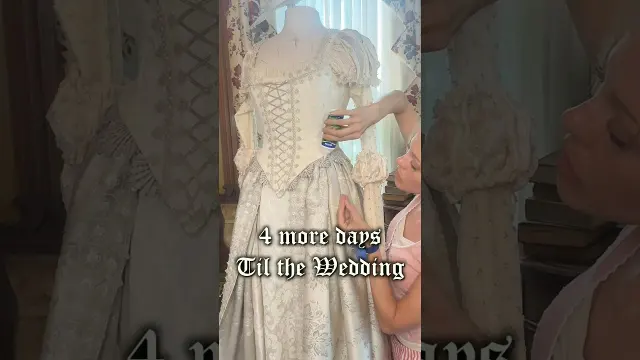
 Creating a renaissance inspired wedding reception dress
#Bridal
4 ideas
Creating a renaissance inspired wedding reception dress
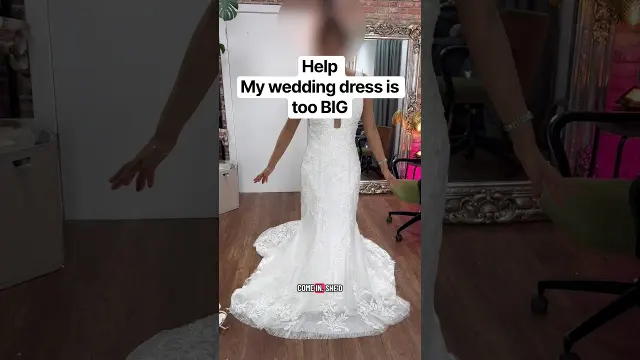 How to alter a lace wedding dress that is too big
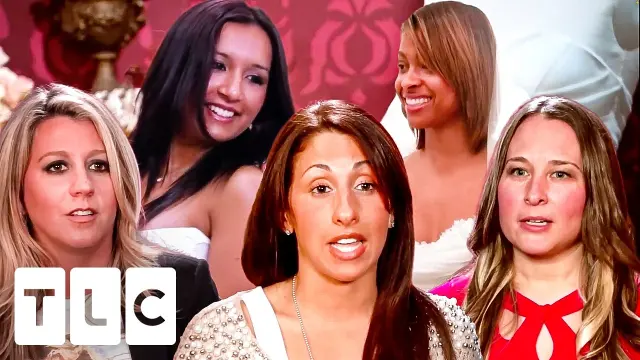 Kleinfeld Bridal Features The Most Unusual Wedding Dresses
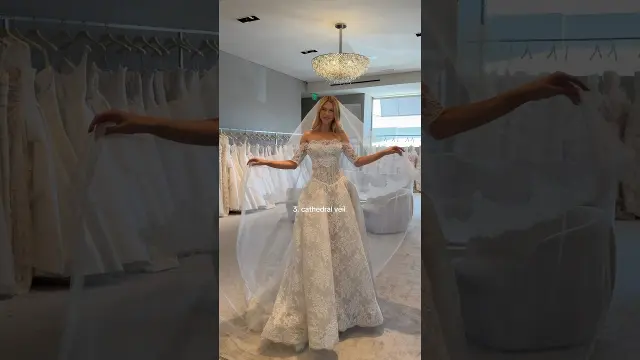 Lace Wedding Dress That Transforms Into Three Different Looks
Get new #Bridal ideas by email
Every Thursday: the week's best ideas, with the newest from #Bridal.
Related tags
Bridal Style Guide
What bridal style means
Bridal style is the full visual language of a wedding look: the dress, veil, shoes, jewellery, hair, makeup, and any extra layers or accessories that complete it. For many people, it is the most personal outfit they will ever choose. It can be classic and formal, soft and romantic, simple and modern, or ornate and dramatic. There is no single bridal style; the best choice is the one that feels true to you and suits the shape, setting, and mood of the day.
The main kinds of bridal looks
Wedding dresses are usually described by silhouette, fabric, and detail. Common silhouettes include A-line, ballgown, sheath, mermaid, and fit-and-flare. Some feel structured and traditional, while others skim the body more softly. Fabrics such as lace, silk, satin, tulle, chiffon, and organza each create a different effect. Lace often feels delicate and decorative, satin tends to look smooth and elegant, and tulle can give a lighter, dreamier finish.
Read more
Bridal looks can also be divided by overall style:
- Classic bridal: clean lines, modest details, and timeless shapes
- Romantic bridal: soft fabrics, florals, lace, and flowing layers
- Modern bridal: simple cuts, minimal decoration, and sharp tailoring
- Vintage-inspired bridal: details that echo earlier eras, such as sleeves, pearls, or intricate trims
- Bohemian bridal: relaxed shapes, natural texture, and an easy, unforced feel
What to think about when choosing
A good bridal look should work with your wedding setting, comfort, and personality. If you are getting married outdoors, you may want movement and ease. If the occasion is formal, you may prefer more structure and polish. Think about how you want to feel when you move, sit, dance, and take photographs. The dress should look beautiful, but it should also let you breathe, walk, and enjoy the day.
Try to choose one feature to lead the look. It might be the neckline, the sleeves, the back, the fabric, or the veil. When everything competes for attention, the result can feel less harmonious. A balanced bridal look often has one focal point and quieter supporting details.
Finishing touches matter
Accessories can completely change the mood of a bridal outfit. A veil adds softness and tradition. Jewellery can be almost invisible or a strong statement. Shoes may be hidden, but they still affect how you carry yourself. Hair and makeup should support the overall style rather than overpower it. If your dress is detailed, simpler accessories often work well. If the dress is pared back, you may have more freedom to add texture or sparkle.
Practical tips for beginners
- Start with the silhouette you feel most comfortable in.
- Move around in the outfit before deciding.
- Pay attention to fit, not just appearance.
- Consider the weather and the venue.
- Bring underlayers or shoes that suit the final shape of the dress.
- Leave enough time for alterations and final adjustments.
Bridal style is not about following rules. It is about finding a look that reflects you and feels natural from the first step to the last dance.
Videos come from YouTube and posts from Instagram; titles and summaries are our own. All rights belong to their creators.