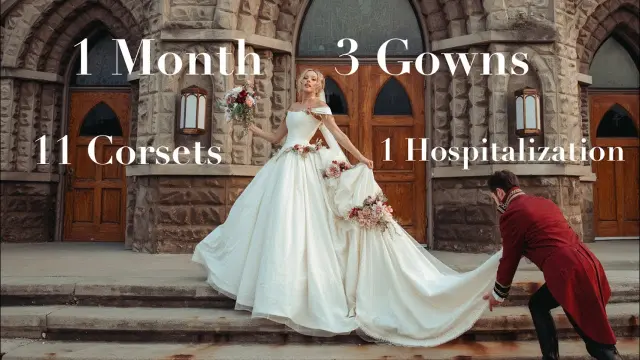
 Sewing Multiple Wedding Gowns and Bridal Party Looks
#Sewing
6 ideas
Sewing Multiple Wedding Gowns and Bridal Party Looks
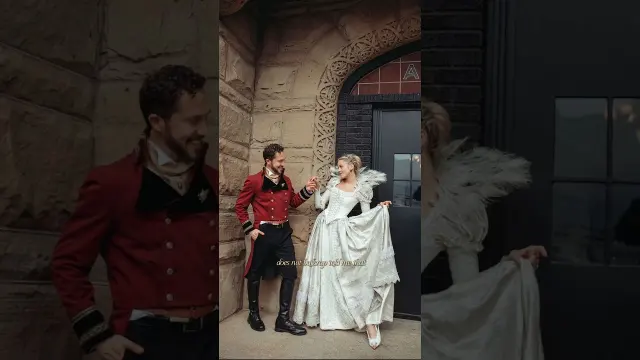 Making a wedding reception dress from old tablecloths
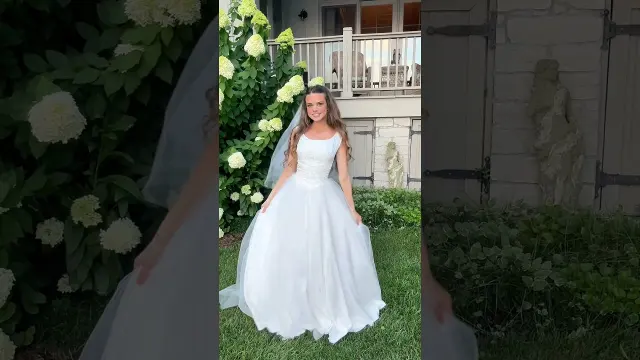 Sewing a vintage 1950s style wedding dress
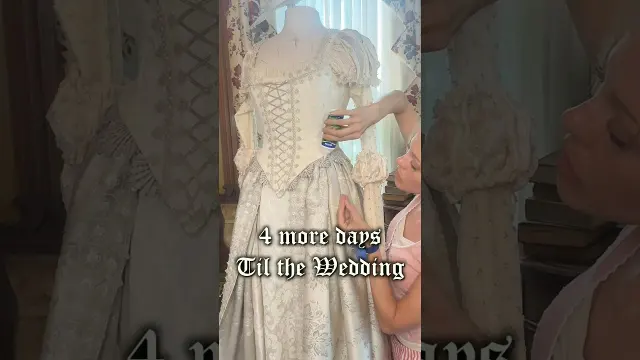 Creating a renaissance inspired wedding reception dress
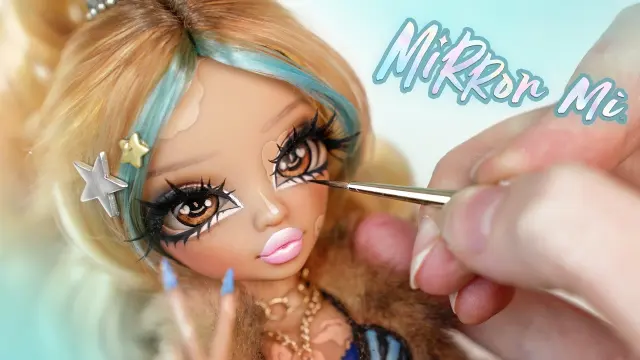 Making a Gyaru Baddie Mirror Mi Custom Doll
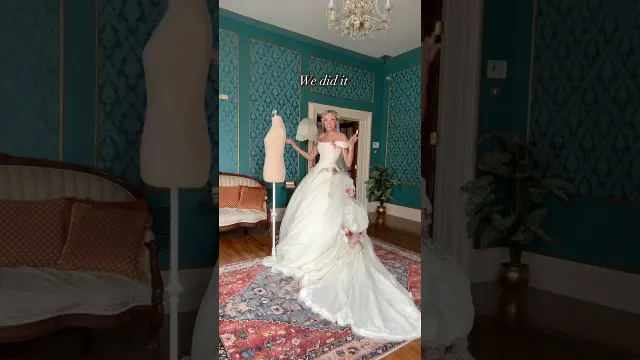 Bride Sews and Makes Her Own Dream Wedding Dress
Get new #Sewing ideas by email
Every Thursday: the week's best ideas, with the newest from #Sewing.
Related tags
Sewing Basics, Techniques and Creative Projects
Sewing is the craft of joining pieces of fabric with thread to create useful or decorative things. People have sewn for centuries, first by hand with simple needles and later with sewing machines that made the work faster and more precise. It is used for clothing, alterations, repairs, home textiles, accessories, toys and all kinds of creative projects.
What sewing can be
At its simplest, sewing means making stitches that hold fabric together. That can be as small as mending a seam, or as involved as making a dress from scratch. You can sew by hand, with a machine, or by combining both. Many projects begin with a pattern, which is a guide for cutting fabric into the right shapes, but you can also work more freely when you already understand the basics.
Sewing covers a wide range of styles and methods:
- Garment sewing for dresses, shirts, skirts, trousers and outerwear
- Home sewing for cushions, curtains, napkins and table linens
- Hand sewing for repairs, details and delicate work
- Quilting and patchwork for layered or pieced textiles
- Embroidery and embellishment for decorative stitching
- Alterations and mending to fit, refresh or repair existing items
Read more
What beginners should know
If you are just starting, the most important thing is to slow down and learn the essentials well. Straight seams, seam allowances, pressing and finishing edges are the foundations of clean sewing. It also helps to understand fabric grain, because fabric behaves differently depending on how it is cut.
A few beginner-friendly habits make a big difference:
- Choose stable fabrics at first, such as cotton or other easy-to-handle woven fabrics
- Use a sharp needle and the right thread for the fabric
- Pin or clip pieces before stitching so they do not shift
- Test your stitch length and tension on a scrap first
- Press seams as you go, because pressing helps shape the fabric and improves accuracy
- Finish raw edges when needed so the inside of your work lasts longer
Common tools and techniques
You do not need a large studio to begin sewing. A basic kit usually includes needles, thread, scissors, pins or clips, a measuring tool, marking tools and an iron. If you use a machine, learn how to thread it, wind a bobbin and guide fabric without pulling it.
Useful techniques to practice include:
- Hand stitches such as running stitch, backstitch and whipstitch
- Machine stitching in a straight line and around curves
- Seam finishing, such as zigzag stitching or folded edges
- Hemming garments and home pieces
- Inserting elastic, ties or zippers once you are ready for more challenge
Working with confidence
Sewing improves with practice. Start with simple projects you will actually finish, then move toward more detailed work as your confidence grows. Read instructions carefully, cut accurately and give yourself time to make mistakes. Small errors are normal and often easy to fix.
If you want your sewing to look neat, focus on fit, pressing and patience. Good sewing is not only about making something from fabric; it is about shaping pieces carefully so they work well and feel right to use.
Videos come from YouTube and posts from Instagram; titles and summaries are our own. All rights belong to their creators.