 Creating a Custom Zendaya Red Carpet Doll
#Doll Customization
3 ideas
Creating a Custom Zendaya Red Carpet Doll
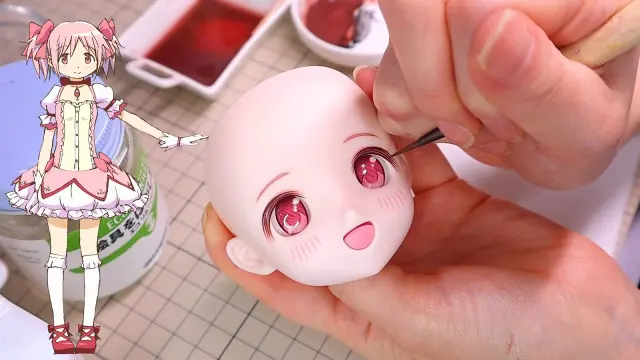 Making a Madoka Magica Custom Anime Doll
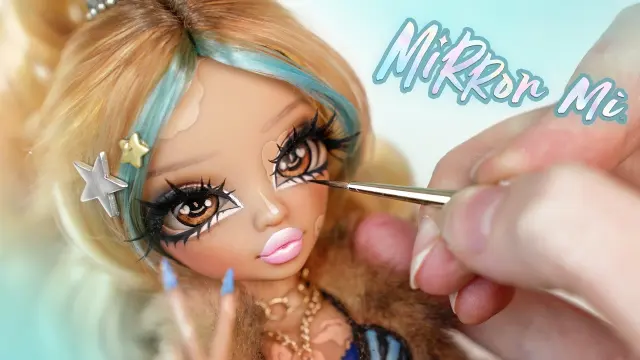 Making a Gyaru Baddie Mirror Mi Custom Doll
Get new #Doll Customization ideas by email
Every Thursday: the week's best ideas, with the newest from #Doll Customization.
Related tags
Doll Customization Guide
What doll customization is
Doll customization is the practice of changing a manufactured doll to make it look more personal, expressive, or completely original. People customize dolls for many reasons: to create a character, to make a beloved doll look more like themselves, to revive an older toy, or simply to enjoy the craft of working in miniature. It can be as simple as changing clothing and hair, or as detailed as repainting the face, reshaping features, and making tiny accessories by hand.
The idea has a long history in handmade toys, art dolls, and doll collecting. Across different cultures, dolls have often been repaired, redressed, painted, and remade to suit the maker’s taste. Today, customization brings together sewing, painting, sculpting, wig making, and miniature styling.
Main kinds of customization
Read more
Some people focus on the face: repainting eyes, lips, brows, and blush to give the doll a new expression. Others work on the body by altering proportions, changing hands or feet, or adding sculpted details. Hair is another major area, whether that means restyling a wig, cutting and setting synthetic fibers, or rerooting individual strands.
Clothing and accessories are often the easiest place to begin. A new outfit can completely change the feel of a doll, especially when it is matched with shoes, bags, jewelry, or props. More advanced makers may combine several methods at once to create a fully original character.
Techniques and materials
The exact process depends on the doll type, but many customizers use some combination of cleaning, sanding, painting, sealing, sewing, and gluing. It helps to plan the final look before starting, because changing one feature can affect the rest. For example, a dramatic hairstyle may call for a different collar shape, while a new face paint style may suit softer clothing.
If you are new to the craft, begin with simple changes. Try making or altering an outfit first, then move on to face painting or hair work once you are comfortable. Small practice pieces are useful for testing color, fabric drape, and paint handling before working on the doll itself.
Practical tips for beginners
Work slowly and in good light. Miniature details are much easier to control when you are not rushing. Keep your materials organized so that tiny parts do not get lost. Use light layers rather than trying to finish everything at once, especially with paint or glue.
It also helps to protect the original doll surface when possible. Test paints and adhesives on an inconspicuous area first, and choose materials that suit the doll’s plastic, vinyl, fabric, or resin parts. If you are sewing clothing, use soft seams and closures that are easy to open and close without damaging the doll.
A creative craft with room to grow
Doll customization rewards patience, observation, and imagination. You do not need to do everything at once, and there is no single correct style. Some dolls are meant to look realistic, others whimsical, historical, or highly stylized. The most satisfying results usually come from careful choices and steady hands. As you practice, you will learn how to balance color, proportion, and detail, and you will find your own way of turning a familiar doll into something uniquely yours.
Videos come from YouTube and posts from Instagram; titles and summaries are our own. All rights belong to their creators.