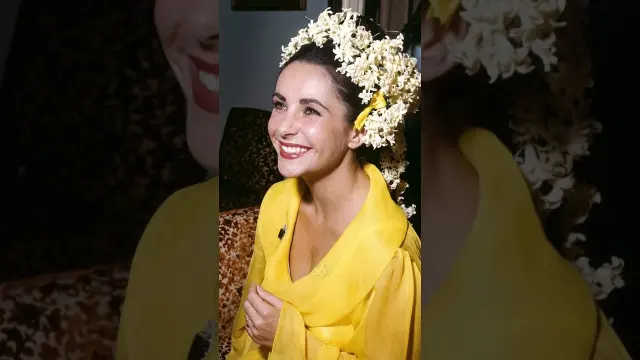
 Recreating Elizabeth Taylor's Eight Iconic Hollywood Marriages
#Vintage Style
4 ideas
Recreating Elizabeth Taylor's Eight Iconic Hollywood Marriages
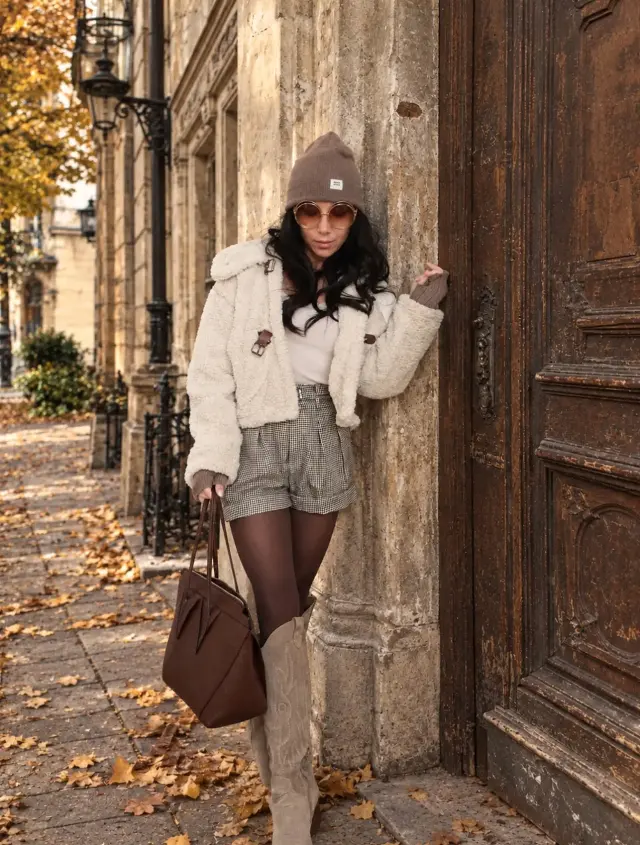 Quiet Luxury Street Style with Vintage Touches
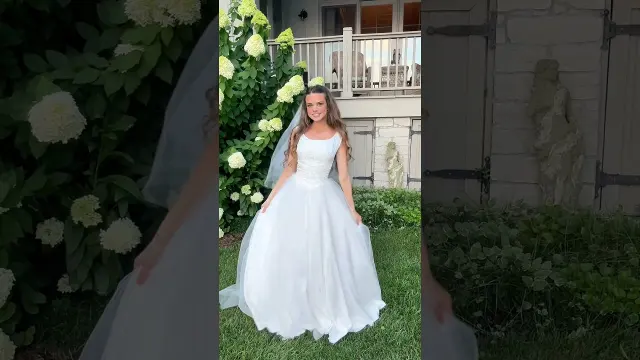 Sewing a vintage 1950s style wedding dress
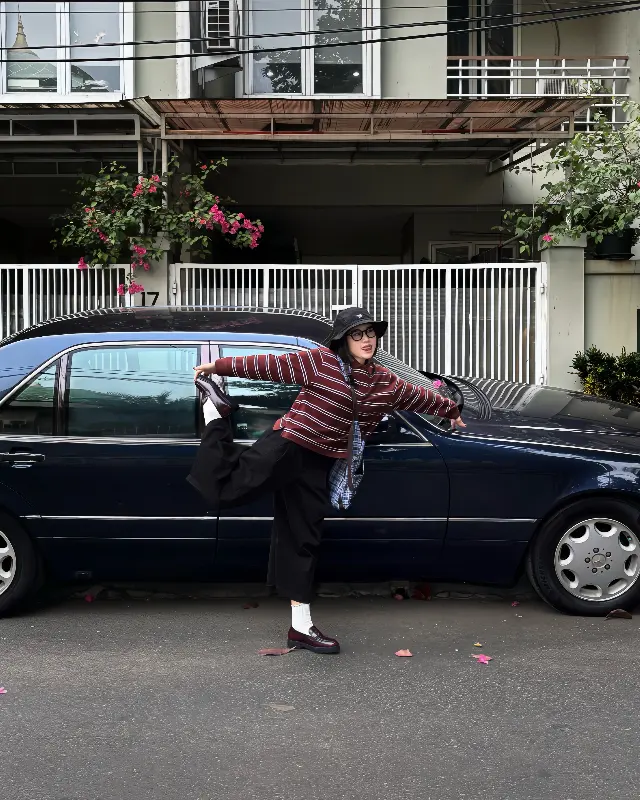 Vintage and preppy everyday style outfit
Get new #Vintage Style ideas by email
Every Thursday: the week's best ideas, with the newest from #Vintage Style.
Related tags
Vintage Style: Timeless Fashion Across the Decades
Vintage style is a way of dressing that draws inspiration from earlier decades of fashion. It can mean wearing actual vintage clothing, which is old enough to reflect a previous era, or choosing new pieces that echo older silhouettes, fabrics, and details. People are often drawn to vintage style because it feels personal, distinctive, and rooted in fashion history.
What vintage style means
Vintage style is not one single look. It covers many decades, each with its own shapes and mood. Some people prefer the elegance of the 1920s, with loose lines and decorative details. Others love the structured waists and full skirts associated with the 1950s, or the cleaner tailoring of later decades. The appeal comes from mixing history with individuality, so the result feels classic rather than costume-like.
Common influences
Read more
A vintage-inspired wardrobe often borrows from a few broad periods:
- Early 20th-century looks with high necklines, lace, and delicate details
- 1930s and 1940s styles with fluid draping, practical tailoring, and polished shapes
- 1950s silhouettes with defined waists, fuller skirts, and feminine finishes
- 1960s and 1970s influences with streamlined lines, bold prints, or relaxed shapes
You do not need to copy an entire decade. Often, one or two details are enough to suggest the era while keeping the outfit easy to wear.
Fabrics, shapes, and details
Vintage style often feels convincing because of its fabrics and construction. Natural materials, textured weaves, covered buttons, pleats, embroidery, collars, and hand-finished details all contribute to the look. Shapes matter too: fitted waists, tailored shoulders, A-line skirts, wide-leg trousers, and knee-length hemlines are all common in different vintage-inspired outfits.
If you are sewing or altering clothing, focus on silhouette first. A simple dress can feel vintage with the right waistline, neckline, or sleeve shape. When shopping, look for quality fabric, good drape, and details that match the period you want to reference.
How to wear it well
The easiest way to wear vintage style is to balance old and new. A vintage blouse with modern jeans, or a classic coat over a simple dress, can feel more natural than dressing head-to-toe in one era. Accessories help too: gloves, scarves, brooches, belts, structured handbags, and simple shoes can shift an outfit in a subtle direction.
A few practical tips:
- Start with one vintage-inspired piece at a time
- Choose a silhouette that suits your body and feels comfortable
- Mix textures and eras to keep the look from feeling like a costume
- Pay attention to fit, especially at the waist, shoulders, and hem
- Use accessories to add character without overcomplicating the outfit
For beginners
If you are new to vintage style, begin with the elements that feel easiest to wear. A softly tailored dress, a cardigan, a high-waisted skirt, or a neatly cut coat can introduce the look without much effort. Try looking at old photographs, films, and fashion illustrations for ideas, then adapt what you like to your everyday life.
Vintage style works best when it feels lived-in and personal. You do not need to dress as if you belong to another time. Instead, you can borrow the elegance, structure, or charm of the past and make it your own.
Videos come from YouTube and posts from Instagram; titles and summaries are our own. All rights belong to their creators.