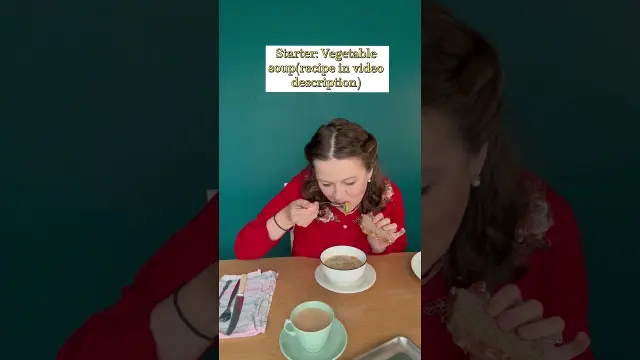
 Cooking a 1940s British Restaurant Leek Potato and Carrot Soup
#British Cuisine
1 ideas
Cooking a 1940s British Restaurant Leek Potato and Carrot Soup
Get new #British Cuisine ideas by email
Every Thursday: the week's best ideas, with the newest from #British Cuisine.
Related tags
British Cuisine: A Guide to Its Dishes and Traditions
British cuisine is the cooking of the nations that make up the United Kingdom, shaped by centuries of farming, trade, migration and climate. It is often thought of as plain or heavy, but that reputation misses a great deal: it is a cooking of good ingredients handled simply, of puddings and preserves, of breads and pies, and of a strong regional identity that changes noticeably over a few hours' drive.
Its foundation is the seasons and the soil. The British Isles offer a long growing season for greens, roots, berries and orchard fruit, rich pasture for dairy and beef, cold coastal waters for fish, and a climate that has historically rewarded preserving over importing. Salt, smoke, vinegar and sugar became central flavours not by accident but because they kept food through lean months. Trade and empire later brought spices, tea, sugar and citrus into everyday kitchens, and the food cultures of South Asia, the Caribbean, East Asia and Europe have been woven into British cooking for generations. A modern British kitchen is as likely to hold curry powder and coconut milk as flour and suet.
Dishes and regional character
England tends toward roasts, pies, puddings and a long baking tradition. Scotland has its own pantry of oats, barley, root vegetables, seafood and game, with iconic savoury puddings and smoked fish. Wales is known for lamb, leeks, cheese and griddle-baked breads. Northern Ireland shares much with both, with strong traditions around potatoes, soda bread and preserved meats. Regional cheeses are a world of their own, and local names for the same bake often differ from county to county.
The main styles of cooking
Home cooking here is built on a few dependable methods. Roasting suits joints of meat and root vegetables. Braising and stewing turn cheaper cuts into rich, tender dishes. Baking covers breads, scones, pies, tarts and steamed puddings. Frying, grilling and poaching handle breakfasts, fish and lighter meals. Preserving, in jams, chutneys, pickles and salted or smoked foods, is still a lively domestic tradition.
Read more
What beginners should know
Start with the plain dishes rather than the elaborate ones. A good roast, a proper gravy, a simple soup of leeks and potatoes or a crumble made with seasonal fruit will teach you more than a complicated recipe. Learn to weigh and measure: British baking recipes rely on accurate ratios, and the classic sponge, shortcrust pastry and Yorkshire batter are all worth making until they feel natural. Get to know your local market; seasonality is the quiet engine of this cooking.
A few practical habits help. Salt in stages. Let roasted meat rest. Preheat the oven properly. Keep pastry cold and handle it little. Taste as you go, especially with gravies and sauces.
Finally, remember that British food is at its best when it is generous and unfussy: a shared pie, a pot of tea, a pudding after a long meal. Cook it slowly, serve it warmly, and it makes sense.
#British Cuisine: frequently asked questions
How do I get started with British cooking if I'm a beginner?
Begin with the plain, dependable dishes rather than the showy ones — a simple roast, a proper gravy, a leek and potato soup, or a crumble made from whatever fruit is in season. These teach technique that carries over to everything else. Get to know your local market too, since seasonality quietly drives the whole cooking style.
What do I actually need in the kitchen to cook British food?
You need very little beyond a roasting tin, a heavy pot for braising, a baking tray and a set of measuring scales. British baking leans on accurate ratios, so weighing rather than guessing is the single most useful habit. Beyond that, a well-stocked salt, pepper, mustard, vinegar and a good stock cover most of the everyday repertoire.
Which British regional style should I choose to explore first?
Pick by what you enjoy eating: England if you love roasts, pies and a long baking tradition; Scotland for oats, seafood, game and smoked fish; Wales for lamb, leeks and griddle breads. Northern Ireland shares a lot with both and leans on potatoes, soda bread and preserved meats. The cheeses alone are worth working through region by region.
How should I handle pastry and baking so it turns out well?
Keep pastry cold, handle it as little as possible, and preheat the oven properly before anything goes in. Weigh your ingredients instead of estimating, since the classic sponge, shortcrust and batters all rely on steady proportions. Make the same simple bake repeatedly until the feel of it becomes second nature.
What are good ideas for serving British food at a gathering?
Think generous and unfussy rather than complicated: a shared pie or a roast with roots, a pot of tea, and a pudding to finish a long meal. Preserves, chutneys and pickles made ahead take the pressure off the day itself. Cooking slowly and serving warm matters more than any elaborate presentation.
What mistakes do people commonly make with British cooking?
The usual ones are rushing the fundamentals: under-seasoning, skipping the resting time for roasted meat, putting food into an oven that hasn't come up to temperature, and overworking pastry. Gravy and sauces are also where people stop tasting too early. Salt in stages and taste as you go, and most of these problems disappear.
Videos come from YouTube and posts from Instagram; titles and summaries are our own. All rights belong to their creators.