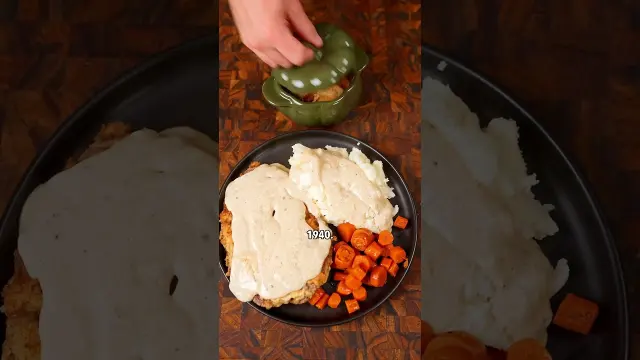
 Preparing a 1940s Minimum Wage Dinner Recipe
#Budget Meal
1 ideas
Preparing a 1940s Minimum Wage Dinner Recipe
Get new #Budget Meal ideas by email
Every Thursday: the week's best ideas, with the newest from #Budget Meal.
Related tags
Budget Meals: How to Eat Well for Less
A budget meal is simply a meal built around cost without giving up on flavour or nourishment. It is not a single cuisine or a diet of deprivation — it is a habit of thinking, one that has existed for as long as households have had to make a set amount of money stretch across a week. Every food culture has its own version: the pot of beans simmered with whatever was on hand, the rice or grain dish stretched with vegetables, the soup made from bones and peelings. Cheap cooking is, in most traditions, the oldest and most inventive cooking there is.
Start with the staples
The backbone of low-cost cooking is a stocked shelf of long-keeping basics: rice, pasta, oats, flour, dried lentils and beans, tinned tomatoes, onions, garlic, carrots, potatoes, eggs and a few spices. These keep for months and can be combined in countless ways. Buying them in larger bags usually costs less per portion than small packets, and they remove the need for a takeaway on the days you have nothing planned.
Plan before you shop
Read more
Meal planning is where most of the saving happens. Look at what you already own before writing a list, then plan a handful of meals that share ingredients — a cabbage that goes into a stir-fry, a salad and a soup will not be wasted. Shopping with a list and a rough weekly structure reduces impulse buys more reliably than any coupon. It also helps to keep one or two fallback meals in the cupboard, so a busy evening does not turn into an expensive one.
Make cheaper proteins interesting
Pulses, eggs, tinned fish and cheaper cuts of meat give a lot for their cost. Lentils and beans take on the flavours you cook them with, so they reward generous seasoning, garlic, onion and a little acid at the end. Minced meat goes further mixed with lentils or grated vegetables. Eggs make a meal on their own. Slow-cooked cheaper cuts become tender and rich with time rather than money.
Waste less, cook once, eat twice
The cheapest ingredient is the one you already bought and did not throw away. Store food properly, use stems and leaves, and turn leftovers into something new — roast vegetables into a soup, cooked grains into a salad. Cooking a larger batch and portioning it for the freezer saves both money and the energy of deciding what to eat.
Keep it enjoyable
Budget cooking works best when it stays pleasurable. Learn a few base recipes well, season boldly, and treat cheap ingredients as a starting point rather than a compromise. Small habits — a stocked shelf, a list, a willingness to use what you have — add up quietly, week after week.
#Budget Meal: frequently asked questions
How do I start cooking budget meals if I'm used to buying convenience food?
Begin by building a small shelf of long-keeping basics — rice or pasta, oats, flour, dried pulses, tinned tomatoes, onions, carrots, potatoes and eggs — and keep them stocked. Before shopping, check what you already own and sketch a few meals that share ingredients, so nothing spoils. Add a fallback meal kept in the cupboard for the evenings when you would otherwise order in.
What do I actually need to cook cheaply at home?
You need less equipment than people expect: a pot, a pan, a knife, a board and containers for storing and freezing food. The rest is ingredients that keep well and reward seasoning — staples, pulses, eggs, cheaper cuts of meat and a few spices you genuinely like. Planning and proper storage matter more than any gadget.
Which cheap ingredients should I build my meals around?
Choose the ones that stretch furthest and take on flavour easily: lentils, beans, eggs, tinned fish, minced meat mixed with grated vegetables, and slow-cooked cheaper cuts. Grains and potatoes carry these further, and a little acid or a generous pinch of spice at the end lifts them. Pick what your household actually enjoys, so it gets eaten rather than wasted.
How should I store budget ingredients so they last?
Keep dried goods sealed and dry, store root vegetables somewhere cool and dark, and refrigerate or freeze anything cooked within a sensible time. Use the whole vegetable — stems, leaves and peelings often go into stock or soup. Portioning leftovers for the freezer means an unloved ingredient becomes a later meal instead of waste.
Any ideas for a cheap meal that still feels special for a family occasion?
Build the meal around something slow-cooked and generous, like a pot of beans or a braise from a cheaper cut, then spend your effort on seasoning and a couple of colourful sides. Serving in shared bowls with bread and a simple salad makes the table feel abundant without extra cost. The finishing touches people notice are flavour and presentation, not expense.
What are the most common mistakes people make with budget cooking?
The usual ones are shopping without a list, buying small packets that cost more per portion, and buying fresh produce with no plan for using it. Others are under-seasoning cheap ingredients and treating them as a compromise, which makes the meal feel joyless. Cooking larger batches, planning around shared ingredients and seasoning boldly all help.
Videos come from YouTube and posts from Instagram; titles and summaries are our own. All rights belong to their creators.