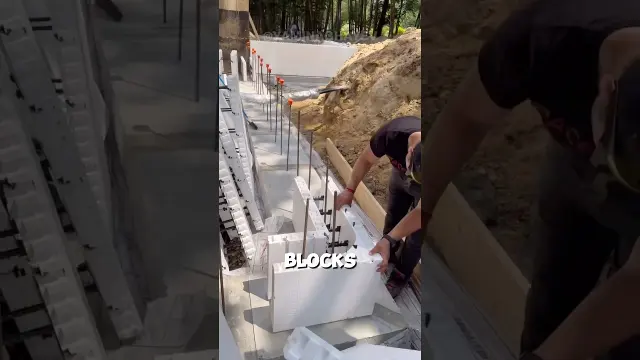
 Innovative Foam Block Construction for Energy Efficient Homes
#Building Materials
2 ideas
Innovative Foam Block Construction for Energy Efficient Homes
 New Architecture in Africa Using Red Clay Brick
Get new #Building Materials ideas by email
Every Thursday: the week's best ideas, with the newest from #Building Materials.
Related tags
Building Materials: A Guide to What Builds a Home
Every building is a conversation between what the ground will hold and what the weather will allow. Building materials are simply the substances we use to answer that conversation — the things that carry weight, keep water out, hold heat in, and give a space its texture and character. Long before drawings and budgets, people built with whatever their landscape offered: stone where stone was plentiful, clay where rivers left silt, timber where forests grew, and earth almost everywhere.
The main families of material
Materials tend to sort themselves by job. Structural materials carry loads: masonry, concrete, steel, timber and, in some regions, bamboo and engineered earth. Envelope materials close the building against the outside — roofing, cladding, windows and doors. Insulation slows heat moving through walls and roofs. Finishes are the surfaces you touch and see: plaster, paint, tile, board, screed, varnish.
Then there is the older distinction between natural and manufactured. Stone, timber, clay and lime have been with us for millennia and are still entirely current. Concrete, steel, glass and modern insulation are industrial products with their own logic and their own rules.
Read more
What each material asks of you
Materials are not interchangeable, and each one comes with a set of habits that make it behave well.
Masonry — brick, block, stone — is strong in compression and generous with time. It prefers a firm, level base, sensible detailing where different materials meet, and a little flexibility in the mortar so the wall can move without cracking.
Timber is light, quick to work and warm to live with, but it wants protection from standing water and good ventilation so it can dry out. Movement with the seasons is normal; designing for it is the whole art.
Concrete is shaped while wet and permanent once set. It rewards good formwork, correct curing, and reinforcement placed where the engineer intended — and it is heavy, so the structure below must be planned for it.
Earth and clay breathe, absorb and release moisture, and regulate indoor humidity naturally. They are forgiving to work with but need protection from driving rain and thoughtful detailing at the roof and base.
What beginners should know
Start with the site, not the material. Orientation, soil, rainfall, wind and local skills will eliminate half the options before you look at anything.
Choose for the climate first and the look second. A material that is beautiful but wrong for the weather becomes a maintenance problem you will live with for decades.
Think in layers. A wall is rarely one thing: structure, insulation, a water-resistant layer, a ventilated gap, a finish. Each layer has a job, and confusion between them is where most damp and cracking begins.
Keep it dry and let it dry. Most damage to buildings is water doing something it was not meant to do.
Ask who will build it and who will repair it. Materials that local tradespeople understand will be assembled better and fixed faster.
Finally, consider where a material comes from and where it goes. Durability, repairability and the ability to be reused or returned to the ground are quiet qualities that outlast any finish.
#Building Materials: frequently asked questions
How do I start choosing building materials for a project?
Begin with the site and climate rather than a favourite finish: orientation, soil, rainfall, wind and the skills of local trades will rule out many options before you ever compare surfaces. Once those constraints are clear, pick materials that suit the weather first and the look second, since a poor match becomes decades of upkeep.
What are the main kinds of building material and what does each one do?
They generally divide by job: structural materials such as masonry, concrete, steel and timber carry loads; envelope materials like roofing, cladding and windows close the building to the outside; insulation slows heat movement; and finishes such as plaster, tile and paint give the surfaces you see and touch. There is also a useful split between natural materials — stone, clay, lime, timber — and industrial ones such as concrete, steel and glass, which follow their own rules.
Which material should I choose for a damp or rainy climate?
Favour materials that tolerate wetting and can dry out again, and rely on detailing rather than on any single product to keep water out. The deeper principle is to keep the assembly dry and allow it to dry: most damage comes from water trapped where it cannot escape, so ventilated gaps and a clear water-resistant layer matter more than the surface choice.
How do I look after masonry, timber or earth walls over time?
Masonry wants a firm, level base and mortar flexible enough to let the wall move without cracking, so watch the joints where different materials meet. Timber needs protection from standing water and good ventilation so it can dry, and its seasonal movement is normal rather than a fault. Earth and clay regulate humidity well but need shelter from driving rain and careful detailing at the roof and base.
What mistakes do beginners make with building materials?
The commonest is treating a wall as one substance when it is really layers — structure, insulation, a water-resistant layer, a gap, a finish — each with its own job, and confusing those roles is where damp and cracking usually begin. Another is choosing by appearance alone, or ignoring who will actually build and repair the work; materials local tradespeople know are assembled better and fixed faster.
Are natural materials still practical today?
Yes — stone, timber, clay and lime have been used for millennia and remain entirely current, while engineered earth and bamboo serve as structural options in many regions. They are often forgiving to work with and can regulate indoor humidity, provided you protect them from driving rain and detail the roof and base thoughtfully. Their durability, repairability and ability to be reused or returned to the ground are quiet advantages that outlast any finish.
Videos come from YouTube and posts from Instagram; titles and summaries are our own. All rights belong to their creators.