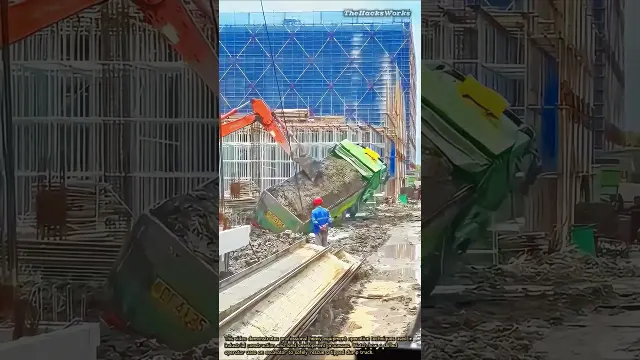
 Excavator Rescuing a Tipped Dump Truck
#Construction
6 ideas
Excavator Rescuing a Tipped Dump Truck
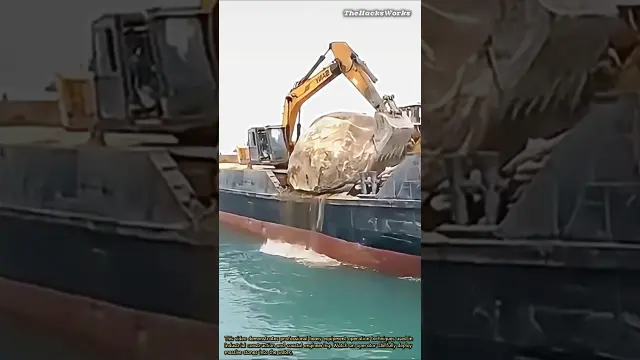 Excavator Operator Placing Armor Stones for Coastal Work
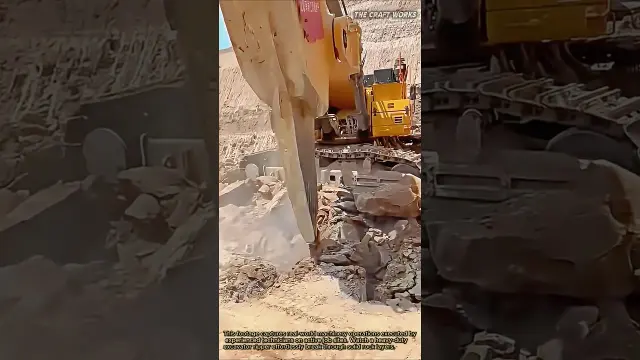 Heavy Excavator Ripper Breaking Solid Rock
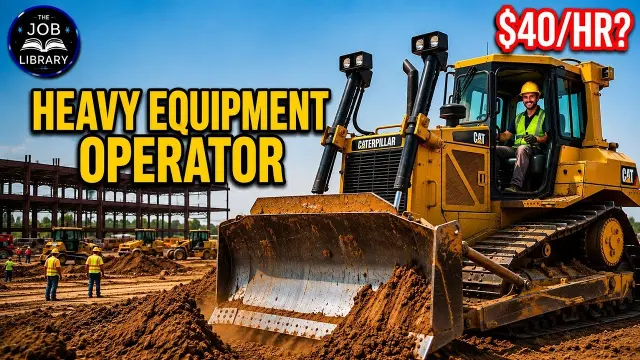 Guide to Becoming a Heavy Equipment Operator
 NCCCO Mobile Crane Core Certification Exam Study Guide
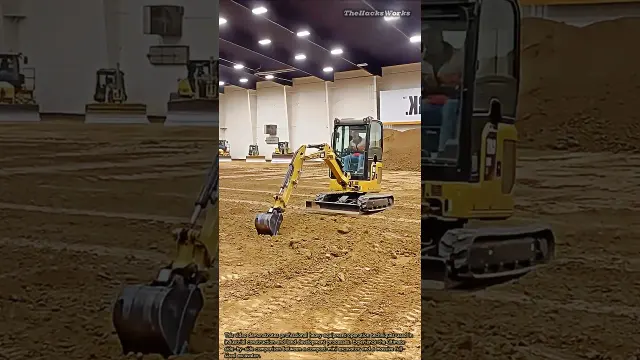 Size Comparison Between Mini and Full-Sized Excavators
Get new #Construction ideas by email
Every Thursday: the week's best ideas, with the newest from #Construction.
Related tags
Construction: Building and Shaping the Built World
Construction is the work of creating, altering, repairing, and maintaining buildings and other structures. It ranges from small home projects to large public works such as roads, bridges, utilities, and industrial facilities. At its core, construction brings together design, materials, labor, and equipment to turn plans into something usable and lasting.
What construction includes
Construction covers many different kinds of work. Some of the most common are residential building, commercial building, civil construction, and renovation. Residential work includes houses, apartments, and extensions. Commercial projects include shops, offices, schools, and warehouses. Civil construction focuses on infrastructure such as roads, drainage, retaining walls, and foundations for larger works.
The process usually begins with planning and design, then site preparation, excavation, foundations, framing, services installation, finishing, and final inspection. On larger sites, several trades may work in sequence or at the same time, so coordination is very important.
Read more
Main methods and materials
Construction methods vary depending on the project, the ground conditions, the climate, and the intended use of the structure. Common methods include timber framing, steel framing, concrete construction, masonry, and combinations of these. Each has its own strengths, and many projects use more than one method.
Typical materials include concrete, steel, timber, bricks, blocks, glass, insulation, roofing materials, plaster, and finishes. Good construction depends not only on strong materials, but also on accurate setting out, solid workmanship, and proper sequencing.
Tools, equipment, and skills
Construction uses both hand tools and heavy equipment. Hand tools help with measuring, cutting, fastening, leveling, and finishing. Larger equipment may be used for digging, lifting, compacting, transporting materials, and shaping the site.
Workers in construction often need a mix of practical skills and teamwork. Reading plans, measuring carefully, using tools safely, and understanding basic site organization all matter. Many roles also require patience, communication, and attention to detail.
What beginners should know
If you are new to construction, start with safety and the basics. Learn how to use tools correctly, wear the right protective equipment, and keep your work area tidy. It also helps to understand how one task affects the next, because poor preparation can create problems later in the project.
A few useful habits:
- Measure twice and cut once
- Keep materials stored neatly and safely
- Follow instructions and check drawings carefully
- Ask questions when something is unclear
- Respect load limits, lifting rules, and site procedures
Practical tips
Construction work is often physical, dusty, and weather-dependent, so good preparation makes a difference. Wear sturdy footwear, gloves, and eye protection where needed. Lift carefully, keep clear of moving machinery, and stay aware of what is happening around you. For longer projects, regular checks at each stage help catch mistakes early, before they become expensive or difficult to fix.
Construction is both practical and creative. It combines technical knowledge with hands-on problem solving, and it shapes the places people live, work, travel, and gather in every day.
Videos come from YouTube and posts from Instagram; titles and summaries are our own. All rights belong to their creators.