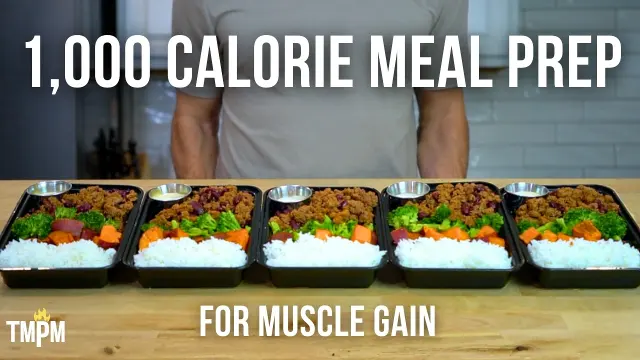
 Big Boy Korean BBQ Beef Bowls for High-Calorie Bulking
#Bulking
1 ideas
Big Boy Korean BBQ Beef Bowls for High-Calorie Bulking
Get new #Bulking ideas by email
Every Thursday: the week's best ideas, with the newest from #Bulking.
Related tags
Bulking: How to Gain Muscle Without Losing Your Way
Bulking is the eating half of building muscle. Instead of eating around what you burn, you eat a little more on purpose, for a stretch of weeks or months, so your body has the raw material to add size rather than just maintain it. The idea comes out of bodybuilding culture, where athletes divide the year into gaining phases and leaning-out phases, but you don't have to step on a stage to use it. Anyone who lifts and has stopped seeing progress can try the same approach.
What a surplus really does
Muscle is expensive tissue. Building it needs two things at once: a reason to grow, which is resistance training that gets gradually harder, and enough energy and protein to actually do the building. Eat more without training and the extra simply goes to fat. Train hard without eating more and progress stalls slowly, especially once you're past the beginner stage. Bulking works because it supplies the second half of that equation.
Clean, dirty, and the space between
Read more
- A dirty bulk means eating freely, often with lots of fast food and treats. It's easy to follow and you will gain, but a good share of it tends to be fat.
- A clean or lean bulk means a small surplus built mostly on whole foods: meat, fish, eggs, dairy, beans, rice, potatoes, oats, vegetables, fruit and nuts. Gains come more slowly, but you stay comfortable in your body and spend less time dieting later.
- Some people, particularly beginners or those returning after a break, manage a middle path: eating near maintenance while training well and letting the body slowly rework itself.
Most people do best somewhere near the clean end, with room for foods they enjoy.
Training is the other half
Muscle responds to being asked to work. Choose a handful of solid movements — squats, hinges, presses, rows, carries — and add a little weight or a rep over time. Two to four sessions a week is plenty for most, with real rest in between. Sleep and recovery matter as much as the food.
Eating more without feeling awful
Spread protein across your meals rather than saving it for dinner. Put carbohydrates around your training when you want energy. Add calories quietly rather than in one huge sitting: olive oil, nut butters, full-fat dairy, dried fruit, extra rice, a glass of milk, a handful of nuts. Liquid calories are the easiest lever if your appetite is small. Keep vegetables and fibre in the picture, because a surplus built on soft, sweet food leaves you sluggish and hungry anyway.
Knowing whether it's working
Weigh yourself regularly and look at the weekly average, not a single morning. Take measurements and photos now and then. Watch your strength in the gym. Progress in size is slow — think in months, not days — and a rate you could pause at any time is better than one you have to chase down afterwards.
When you've gained what you wanted, you can spend a while eating nearer maintenance or slightly below to tidy up. If you have a health condition, are very young, or feel persistently drained, run your plans past a doctor or dietitian first.
#Bulking: frequently asked questions
How do I actually start bulking?
Begin by eating a little more than you burn on purpose, and pair that with resistance training that gets gradually harder over time. Start with a modest surplus built mostly on whole foods rather than jumping straight into eating freely, so the habit is sustainable. Think in weeks and months, not days.
Should I do a clean bulk or a dirty bulk?
A dirty bulk is easy to follow and you will gain, but a good share of that tends to be fat, while a clean or lean bulk comes more slowly and keeps you comfortable in your body. Most people do best somewhere near the clean end, with room left for foods they enjoy. Beginners and people returning after a break can often eat near maintenance while training well and still see the body slowly rework itself.
How can I eat more without feeling awful?
Add calories quietly instead of in one huge sitting, using olive oil, nut butters, full-fat dairy, dried fruit, extra rice, milk or a handful of nuts. Spread protein across your meals rather than saving it all for dinner, and keep vegetables and fibre in the picture so you don't end up sluggish and hungry anyway. If your appetite is small, liquid calories are the easiest lever.
How do I know whether my bulk is working?
Weigh yourself regularly but read the weekly average rather than any single morning, and take measurements and photos now and then alongside watching your strength in the gym. Size progress is slow, so measure it in months. A rate you could pause at any time is better than one you have to chase down afterwards.
What are the most common bulking mistakes?
The two halves have to match: eat more without training and the extra goes to fat, while training hard without eating more leaves progress stalling slowly. Treating it as a race is the other common slip, since pushing the surplus too hard means more to tidy up later. Keeping the pace modest and your recovery, including sleep, in order avoids both.
Videos come from YouTube and posts from Instagram; titles and summaries are our own. All rights belong to their creators.