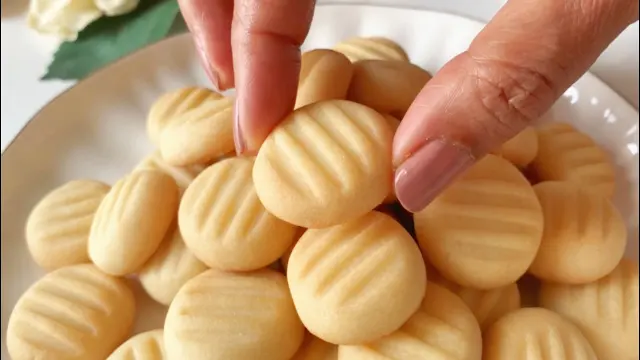
 Three Ingredient Butter Shortbread Mini Cookies
#Butter Cookies
1 ideas
Three Ingredient Butter Shortbread Mini Cookies
Get new #Butter Cookies ideas by email
Every Thursday: the week's best ideas, with the newest from #Butter Cookies.
Related tags
Butter Cookies: A Simple Classic
Butter cookies are a classic sweet biscuit made with butter, sugar, flour, and often eggs or a little extra flavouring. They are loved for their rich taste, tender crumb, and simple ingredients. In many kitchens, they are baked for holidays, afternoon tea, gifts, and everyday treats because they keep well and can be shaped in many ways.
What butter cookies are
At their heart, butter cookies are a straightforward baked dough enriched with butter. The butter gives them their flavour, soft texture, and pleasant melt-in-the-mouth quality. Depending on the recipe, they may be crisp, crumbly, or slightly softer. Some are plain and delicate, while others are dipped, sandwiched, sprinkled with sugar, or flavoured with vanilla, citrus zest, or spices.
Butter cookies are related to other familiar biscuits such as shortbread, sable cookies, and pressed cookies. The main differences usually come down to the ratio of butter, sugar, flour, and sometimes eggs. More butter generally means a richer taste; more sugar can add crispness and sweetness; eggs can make the dough more structured and easier to pipe or shape.
Read more
Common styles
You may see butter cookies in several forms. Rolled and cut cookies are made by chilling the dough, rolling it out, and cutting shapes. Pressed cookies are piped through a cookie press or pastry bag, creating ridged rounds, swirls, flowers, or other decorative forms. Slice-and-bake cookies are shaped into logs, chilled, and sliced into neat rounds. Some butter cookies are also formed into rings, twists, or small rounds pressed with a fork.
A simple version is the plain butter biscuit, which depends entirely on good butter and careful baking for its appeal. More decorated versions may be finished with coarse sugar, jam centres, chocolate coating, or a light dusting of icing sugar.
Techniques that matter
If you are new to baking butter cookies, the most important thing is to handle the dough gently. Softened butter should be creamy, not melted, so it can trap air when beaten with sugar. This helps create a lighter texture. Once the flour is added, mix only until the dough comes together, or the cookies may turn tough.
Chilling the dough is often useful. It makes the dough easier to shape and helps the cookies hold their form in the oven. Baking on a lined tray gives even results and makes cleanup easier. Watch the cookies carefully near the end of baking: butter cookies can go from pale to overbrowned quite quickly.
Practical tips for beginners
If you want crisp cookies, roll the dough a little thinner and bake until the edges are just turning golden. For a softer texture, keep them slightly thicker and remove them from the oven before they colour too deeply. Let them cool on the tray for a few minutes before moving them, since warm butter cookies can be fragile.
Butter cookies are also a good place to practice simple decoration. You do not need elaborate finishing for them to feel special. A neat shape, an even bake, and the clean flavour of butter are often enough. Once you know the basic method, you can make them plain, festive, or elegant with very little effort.
#Butter Cookies: frequently asked questions
What do I need to start baking butter cookies at home?
You only need a few basic ingredients: butter, sugar, and flour, with eggs or a splash of flavouring added in many recipes. Alongside those, a mixing bowl, a wooden spoon or mixer, and a lined baking tray will carry you through most versions. Softened rather than melted butter is the one thing worth getting right from the start, since it traps air and gives the cookies a lighter crumb.
Which style of butter cookie should I choose?
It depends on how much shaping you want to do: rolled and cut cookies suit clean shapes, pressed cookies give decorative ridged or swirled rounds, and slice-and-bake logs are the most forgiving for beginners. If you want a crisp bite, go for a thinner rolled dough; if you prefer something tender and crumbly, keep the dough thicker and pull it from the oven earlier. Plain butter biscuits are also a good first choice, because the flavour of good butter carries them without any decoration.
Why did my butter cookies turn out tough or spread out in the oven?
Toughness usually comes from overworking the dough after the flour goes in, so mix only until it just comes together. Spreading or losing shape often means the butter was too warm or the dough was never chilled, both of which let it slump as it bakes. Chilling the shaped dough and baking on a lined tray gives you much better control.
How should I store butter cookies so they stay fresh?
Let them cool completely first, since trapping warmth in a container softens them and makes them soggy. Then keep them in an airtight tin or jar, ideally with parchment between layers so the shapes don't crush, and they will hold up well for everyday snacking or gift-giving. Their keeping quality is one reason they are so popular for holidays and care packages.
What are good occasions for making butter cookies?
They fit almost any occasion: afternoon tea, holiday tables, homemade gifts, or a simple weekend treat. Their plain base takes decoration well, so you can leave them bare for an elegant look or finish them with coarse sugar, a jam centre, or a light dusting of icing sugar for a festive feel. A neat shape and an even bake are usually enough to make them feel special without much extra effort.
How do I know when butter cookies are done?
Watch them closely in the final minutes, because they shift from pale to overbrowned very quickly. For crisp cookies, bake until the edges are just turning golden; for a softer result, take them out before they colour deeply. Leave them on the tray for a few minutes before moving them, as warm butter cookies are fragile and break easily.
Videos come from YouTube and posts from Instagram; titles and summaries are our own. All rights belong to their creators.