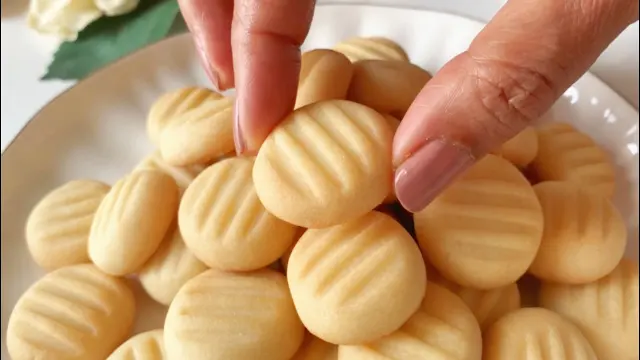
 Three Ingredient Butter Shortbread Mini Cookies
#Shortbread Cookies
1 ideas
Three Ingredient Butter Shortbread Mini Cookies
Get new #Shortbread Cookies ideas by email
Every Thursday: the week's best ideas, with the newest from #Shortbread Cookies.
Related tags
Shortbread Cookies: A Simple Guide to the Classic
Shortbread is one of the simplest biscuits you can bake, and one of the hardest to get exactly right. Its name comes from an old English use of "short," meaning a dough with a high proportion of fat that crumbles and snaps rather than stretching. That fat is butter, and butter is the heart of it.
Where it comes from
Shortbread is traditionally Scottish, bound up with celebrations and hospitality, and it has been a staple of British baking for centuries. The classic recipe is famously minimal: butter, sugar, and flour, sometimes with a little rice flour or cornflour to sharpen the texture. Later variations add vanilla, chocolate, nuts, citrus zest, or a pinch of salt, but the plain version remains the standard by which everything else is judged.
The main styles
Read more
- Petticoat tails: a round marked into wedges, often with a scalloped edge, named for a shape its slices resemble.
- Fingers or batons: rectangles cut from a slab, sometimes pricked with a fork.
- Individual rounds: small discs, plain or topped with a piece of candied peel or a sprinkle of sugar.
- Moulded or stamped shortbread: pressed into carved wooden moulds or cut with patterned stamps for a decorative top.
- Twice-baked or shortbread-style cookies: enriched with nuts or spice, or dipped in chocolate after baking.
What beginners should know
Use soft butter and beat it with the sugar until the mixture is pale and creamy, then work in the flour only until it just comes together. Overworking the dough develops gluten and gives you a tough, bready biscuit instead of a sandy one.
Chilling the dough for a while before shaping makes it easier to handle and helps cut shapes keep their edges. Shortbread should be baked slowly at a moderate-to-low temperature: it wants to dry out and turn pale gold rather than brown. Pull it from the oven when the edges just colour, and let it cool in or on the tin, because hot shortbread is fragile and firms up as it cools.
Practical tips
- Keep your butter cool but pliable; a warm kitchen makes the dough greasy.
- If the dough cracks when you roll it, press it back together with cool fingertips rather than adding liquid.
- Prick the surface of larger pieces to let steam escape and keep the biscuit flat.
- Store the cooled cookies in an airtight container; they keep well and often improve after a day.
- Sandwiches and crumbs count too: broken shortbread crushed fine makes an excellent base for cheesecakes and tart crusts.
Everything about shortbread rewards patience and restraint — few ingredients, gentle handling, and slow baking. Once you know how the dough should feel, you can vary the flavour and shape endlessly.
#Shortbread Cookies: frequently asked questions
How do I make shortbread cookies for the first time without ruining them?
Start with soft butter beaten together with sugar until the mixture turns pale and creamy, then work in the flour only until the dough just comes together. Stop mixing the moment it holds — restraint is what keeps the texture sandy rather than bready. Chilling the dough before shaping makes it far easier to handle and helps your cut shapes keep clean edges.
Why did my shortbread come out tough instead of crumbly?
The usual culprit is overworking the dough, which develops gluten and turns a short, snappy biscuit into something bready. A warm kitchen or overly warm butter can also make the dough greasy and heavy. If the dough cracks while you roll it, press it back together with cool fingertips instead of adding liquid.
Which style of shortbread should I try?
Fingers and individual rounds are the friendliest places to start because they need no special equipment and bake evenly. Petticoat tails — a round marked into wedges — make a lovely centrepiece, while moulded or stamped versions reward anyone who enjoys a decorative top. Once the plain dough feels familiar, you can move on to enriched variations with nuts, spice, zest or a chocolate dip.
Why is my shortbread browning before it is done in the middle?
Shortbread wants a moderate-to-low oven so it dries out and turns pale gold rather than dark. Pull it out as soon as the edges just begin to colour, even if the centre still looks soft. Let it cool in or on the tin, because hot shortbread is fragile and firms up considerably as it cools.
How should I store shortbread, and does it keep?
Cool the cookies completely, then keep them in an airtight container where they hold up well and often improve after resting. They are sturdy enough to bake ahead for gifting or for a tea table. Crushed leftovers are worth saving too — fine shortbread crumbs make an excellent base for cheesecakes and tart crusts.
What are good ways to serve shortbread for a celebration?
Plain shortbread suits a tea or coffee table, and it takes well to a drizzle of chocolate, a sandwich of jam or a scatter of sugar on top. Small rounds or wedges stacked in a tin or wrapped simply make warm, homemade gifts. For a dessert course, use the biscuits as a crunchy layer with cream and fruit rather than as a standalone bake.
Videos come from YouTube and posts from Instagram; titles and summaries are our own. All rights belong to their creators.