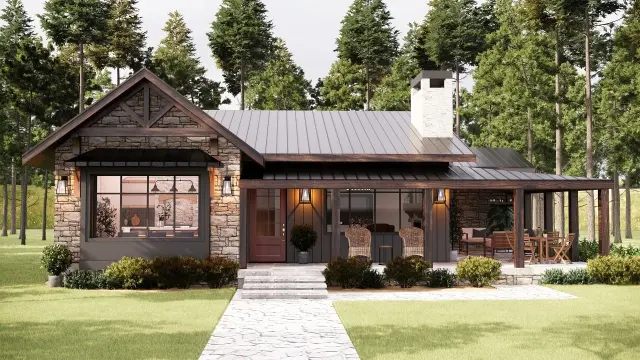
 Stunning 1500 Sq Ft Rustic Retreat House Plan with Layout Details
#Cabin Design
1 ideas
Stunning 1500 Sq Ft Rustic Retreat House Plan with Layout Details
Get new #Cabin Design ideas by email
Every Thursday: the week's best ideas, with the newest from #Cabin Design.
Related tags
Cabin Design: Warm, Practical Retreats in Nature
Cabin design is all about creating a small, practical, and welcoming place to live or relax in, often in a natural setting. Traditionally, cabins were simple shelter buildings made from the materials close at hand, especially timber. Over time, the idea of the cabin has come to include many styles, from rugged woodland hideaways to refined modern retreats, but the heart of the design remains the same: comfort, simplicity, and a strong connection to the surroundings.
What defines a cabin
A cabin is usually smaller and less formal than a conventional house. It often emphasizes straightforward construction, efficient use of space, and a relaxed atmosphere. Many cabins feature wood as the main material, both outside and inside, because it feels natural and suits forest, mountain, lake, or rural settings. Stone, metal, glass, and natural textiles are also often used to balance warmth with durability.
Cabin design is not one fixed style. Some cabins are rustic and traditional, with log walls, exposed beams, and handcrafted details. Others are modern, with clean lines, open interiors, large windows, and simple finishes. What unites them is the idea of a retreat that feels grounded and unpretentious.
Read more
Main styles and approaches
- Rustic cabins focus on texture, visible structure, and a cozy, layered feel.
- Log cabins highlight timber construction and a classic countryside look.
- Modern cabins use simpler forms, open plans, and a lighter visual style.
- Cottage-like cabins are softer and more decorative, often with a homey, lived-in feeling.
- Minimal cabins keep the design pared back, with little clutter and efficient layouts.
The best style for you depends on how you want to use the space. A weekend getaway may call for a compact plan and easy-maintenance finishes, while a family cabin may need more storage, sleeping space, and durable surfaces.
Interior planning and practical features
Good cabin design starts with function. Think about how people will move through the space, where they will gather, and how the cabin will be used in different seasons. Open layouts can make a small cabin feel larger, while separate zones can help with privacy and quiet.
Useful elements often include:
- Built-in storage to reduce clutter
- Multipurpose furniture for flexible living
- Large windows for light and views
- A simple kitchen and dining area
- Cozy seating near a central focal point
- Durable flooring and finishes that are easy to care for
Because cabins are often placed in natural settings, the view becomes part of the design. Windows, porches, decks, and covered entry areas can help connect indoors and outdoors in a natural way.
Materials, mood, and finishing touches
Materials shape the mood of a cabin more than almost anything else. Wood creates warmth, but too much of one material can feel heavy, so it helps to mix in lighter paint colors, stone accents, textiles, or neutral surfaces. Soft lighting, layered rugs, and comfortable seating also add a sense of ease.
For beginners, the main idea is to keep the design simple and intentional. Choose a few materials and repeat them. Avoid overcrowding the rooms. Let natural light, honest construction, and practical comfort lead the design. A well-designed cabin should feel calm, sturdy, and welcoming for everyday use as well as quiet escape.
Videos come from YouTube and posts from Instagram; titles and summaries are our own. All rights belong to their creators.