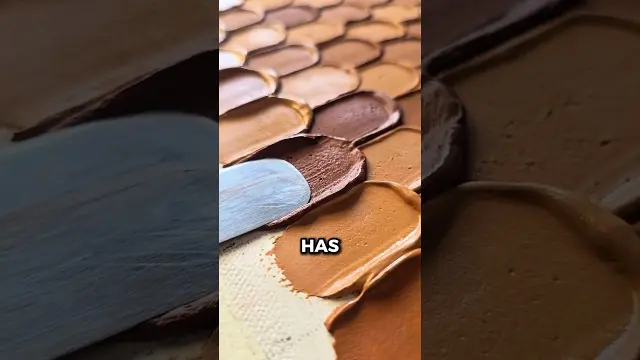
 Texture paste art made from thousands of tiny identical droplets
#Canvas Art
2 ideas
Texture paste art made from thousands of tiny identical droplets
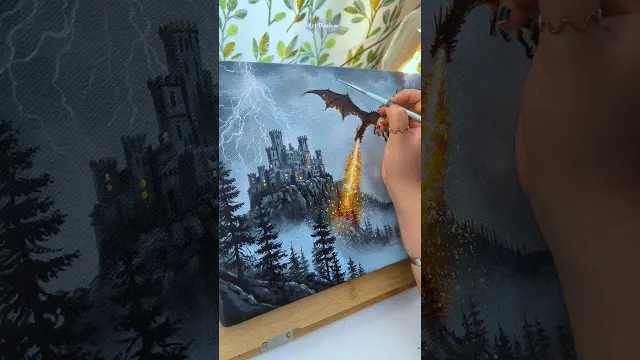 Painting a Dragon with Acrylics
Get new #Canvas Art ideas by email
Every Thursday: the week's best ideas, with the newest from #Canvas Art.
Related tags
Canvas Art Guide
Canvas art is artwork created on a stretched canvas or canvas board, most often with paint, but sometimes with ink, collage, pastels, or mixed media. Canvas has long been valued because it gives artists a sturdy, absorbent surface that works well for both fine detail and broad, expressive marks. It is used for everything from small decorative pieces to large statement works.
What canvas art includes
At its simplest, canvas art is any image made on canvas rather than on paper or another surface. Traditional canvas is usually made from cotton or linen stretched over a wooden frame. Some artists prefer canvas panels or boards because they are lighter and easier to store. The surface is often primed first, which helps the paint sit properly and keeps the fabric from absorbing too much colour.
Canvas art can be realistic, abstract, decorative, or highly textured. It may be a single painted image, a series of panels, or layered work that combines paint with found materials or drawing tools. Because the surface is strong, it suits both careful detail work and loose, energetic brushwork.
Read more
Common techniques and styles
Many beginners start with acrylic paint because it dries quickly and is easy to layer. Oil paint is also common, especially for richer blending and slower changes, while water-based techniques can create lighter, more transparent effects. Some artists build up texture with palette knives, thick paint, or mixed materials.
Styles vary widely:
- Realism focuses on accurate shapes, light, and colour.
- Impressionistic work suggests form with visible brushstrokes and softer detail.
- Abstract canvas art uses colour, shape, and texture rather than direct representation.
- Mixed-media canvas art combines paint with paper, fabric, graphite, or other materials.
- Decorative canvas pieces often emphasise pattern, colour harmony, or a simple focal point.
What to know as a beginner
If you are new to canvas art, start with simple subjects and a limited palette. A few colours used well can be more effective than many colours used at once. Begin by sketching lightly, then block in larger shapes before adding details. Working from the background forward often helps keep the composition clear.
It also helps to choose the right surface for your project. Smaller canvases are easier to practise on, while larger ones give you more room for sweeping gestures. If the canvas feels too slippery or too absorbent, it may need better priming.
Practical tips
- Keep your brushes clean so colours stay true.
- Let each layer dry before adding another if your technique needs it.
- Step back often to check balance, contrast, and proportions.
- Try different brush sizes to see how they change your marks.
- Practice texture with sponge, knife, or dry-brush effects.
- Protect finished work from dust and moisture by storing it carefully.
Canvas art is especially rewarding because it leaves room for both planning and spontaneity. Whether you want to create a calm wall piece, a bold abstract study, or a detailed painted scene, canvas gives you a versatile surface to explore your ideas and develop your own style.
#Canvas Art: frequently asked questions
How do I start making canvas art as a complete beginner?
Begin with a simple subject and a small set of colours rather than trying to use everything at once. Sketch the shapes lightly first, then block in the large areas before working toward smaller details, moving from the background forward so the composition stays readable. Stepping back regularly helps you catch problems with balance and proportion early.
What supplies do I need to paint on canvas?
At minimum you need a primed canvas, a few brushes in different sizes, and a paint you're comfortable with — acrylic is a popular starting point because it dries quickly and layers easily, while oil allows slower blending. A palette, something to mix on, and a cloth or water container for cleaning brushes round out a basic kit. Keeping brushes clean matters, since dirty brushes muddy the colours you mix.
Which kind of canvas should I choose for my project?
Stretched canvas over a wooden frame is the classic choice and suits larger, expressive work, while canvas panels and boards are lighter and easier to store. Small canvases are good for practice and quick studies, and bigger ones give you room for sweeping gestures. If the surface feels too slippery or soaks up paint, it likely needs better priming.
How should I care for a finished canvas painting?
Keep finished pieces away from dust and damp, and store or hang them where moisture won't reach the surface. Handle the canvas by the frame rather than pressing on the painted face, since the fabric can stretch or dent. Gentle, dry dusting is safer than anything wet.
What mistakes do beginners make with canvas art?
A common one is crowding the palette — a limited set of colours used well usually reads better than many colours fighting each other. Another is rushing ahead before a layer has dried, which can muddy the work if your technique depends on clean layers. Painting detail too early, before the larger shapes are settled, is a frequent source of frustration.
Can canvas art work as a gift or for a particular occasion?
Yes — a small painted canvas or a decorative panel makes a personal gift, and matching a piece to the recipient's room colours tends to make it more welcome. Bold abstract studies suit modern spaces, while softer scenes or textured work fit calmer interiors. Choosing the subject with the person in mind matters more than the size of the piece.
Videos come from YouTube and posts from Instagram; titles and summaries are our own. All rights belong to their creators.