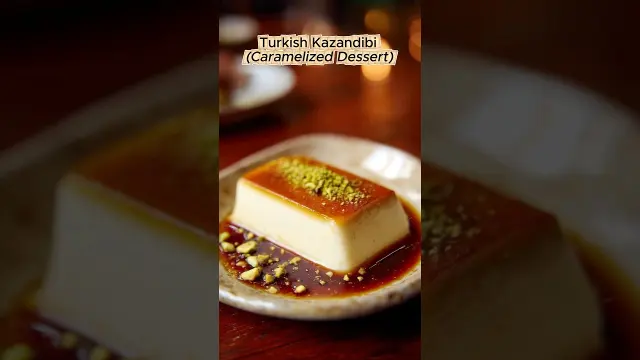
 Classic Turkish Kazandibi Caramelized Milk Pudding
#Caramelized Dessert
2 ideas
Classic Turkish Kazandibi Caramelized Milk Pudding
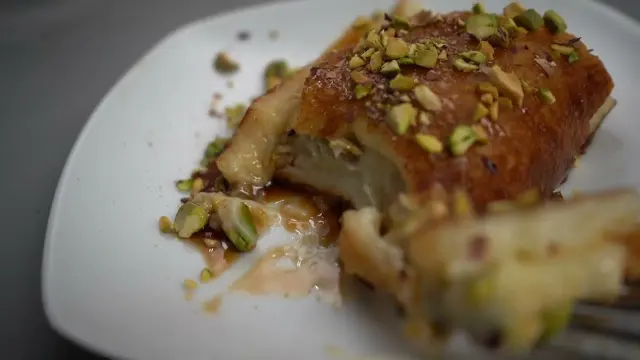 Traditional Turkish Kazandibi Milk Pudding Recipe
Get new #Caramelized Dessert ideas by email
Every Thursday: the week's best ideas, with the newest from #Caramelized Dessert.
Related tags
Caramelized Desserts
Caramelized desserts are sweets that get part of their flavor, color, or texture from sugar heated until it turns golden brown. That deep, slightly bitter sweetness is what gives many desserts their special character. Caramelization can happen on its own, with sugar alone, or alongside other browning methods such as baking, broiling, or torching.
The idea is simple, but the results can be very different. In some desserts, caramel is made first and used as a sauce, coating, or base. In others, sugar is sprinkled on top and browned just before serving. Some recipes fold caramelized sugar into custards, mousses, or creams. Fruit can also be caramelized, especially apples, pears, bananas, and stone fruit, which become softer and more aromatic as they cook.
Common kinds of caramelized desserts
You’ll find caramelized flavors in many traditions around the world. A few familiar types include:
Read more
- Flans and custards with a caramel layer on top or underneath
- Puddings and milk-based desserts with browned surfaces or caramel notes
- Caramelized fruit tarts, compotes, and warm desserts
- Cakes, bars, and cookies with a caramel glaze or filling
- Sugar-topped desserts that are finished under heat for a crisp shell
Some desserts rely on a smooth caramel sauce, while others are prized for contrast: creamy inside, crisp or crackly on top. That balance of textures is one reason caramelized sweets feel so satisfying.
How caramelization works
Caramelization happens when sugar is heated and begins to change in color and flavor. At first it becomes clear and then golden, before turning amber and eventually darkening further. The flavor develops from sweet to complex, with nutty, toasty, and slightly bitter notes.
Because sugar can go from perfect to burned quickly, careful attention matters. A heavy-bottomed pan, moderate heat, and patience help you get a more even result. If you are caramelizing a topping in the oven or with a torch, keep a close eye on it, since the color can change fast.
Tips for beginners
If you’re new to caramelized desserts, start with simple preparations and build confidence over time.
- Use dry utensils and a clean pan when making caramel from sugar alone
- Heat sugar gradually and avoid stirring too much at first, which can cause crystallization
- Watch for color, not just time, because caramel can darken quickly
- Pair caramel with ingredients that balance its richness, such as cream, fruit, or a little salt
- Let hot caramel cool carefully, since it stays extremely hot and can harden as it cools
If a recipe includes milk, cream, or butter, add them slowly and carefully, since the mixture can bubble up strongly. For baked desserts, a little extra time can deepen the flavor, but too much heat can make the caramel taste bitter.
Serving and storing
Caramelized desserts are often best soon after making them, especially if they include a crisp sugar top. Creamy versions can usually be chilled and served cold or at cool room temperature. Fruit-based caramelized desserts are nicest while the fruit still has some shape and freshness.
To keep the flavor balanced, avoid overcooking. The best caramelized desserts are not just sweet; they are rich, aromatic, and layered, with just enough bitterness to make the sweetness taste deeper.
Videos come from YouTube and posts from Instagram; titles and summaries are our own. All rights belong to their creators.