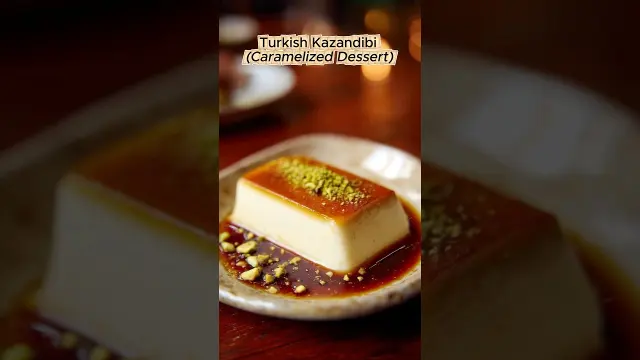
 Classic Turkish Kazandibi Caramelized Milk Pudding
#Sweet Recipe
2 ideas
Classic Turkish Kazandibi Caramelized Milk Pudding
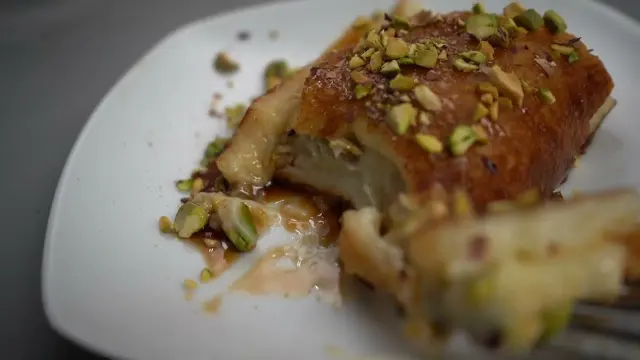 Traditional Turkish Kazandibi Milk Pudding Recipe
Get new #Sweet Recipe ideas by email
Every Thursday: the week's best ideas, with the newest from #Sweet Recipe.
Related tags
Sweet Recipes and Dessert Ideas
What sweet recipes are
Sweet recipes are the treats you make when you want something dessert-like, comforting, or simply a little indulgent. They include everything from cakes, biscuits, puddings, tarts, and custards to fruit-based desserts and chilled sweets. Many sweet recipes come from home cooking traditions, where simple ingredients like flour, sugar, eggs, milk, butter, fruit, and spices are turned into something special.
Across cultures, sweet recipes have taken many forms. Some are baked, some are cooked on the stove, and some are assembled without any heat at all. They can be light and delicate, rich and creamy, crisp and buttery, or dense and filling. A sweet recipe can be an everyday tea-time bake or a dessert made for celebrations and family gatherings.
Common kinds of sweet recipes
Read more
There are many broad categories, and each one has its own style.
- Cakes and sponges: soft, airy, and often served plain or with frosting, glaze, or fruit
- Cookies and biscuits: small baked treats that can be crisp, chewy, or crumbly
- Puddings and custards: smooth, creamy desserts made with milk, eggs, starch, or bread
- Pies and tarts: pastry shells filled with fruit, cream, custard, or chocolate
- Traybakes and bars: easy-to-slice sweets that are good for sharing
- Fried sweets: dough-based desserts cooked in oil and often coated in sugar or syrup
- Fruit desserts: baked, stewed, or fresh fruit served with cream, pastry, or crumble
You will also find many regional specialties, such as milk puddings, syrup-soaked cakes, rice desserts, and layered pastries.
Basic techniques to know
If you are new to sweet recipes, it helps to understand a few common methods:
- Mixing dry and wet ingredients carefully keeps cakes tender
- Whisking eggs and sugar can add lightness and volume
- Creaming butter and sugar is often used for cookies and richer cakes
- Folding ingredients gently helps preserve air in sponge mixtures
- Baking at the right temperature gives even texture and color
- Cooking custards and puddings slowly helps prevent curdling or sticking
Reading the recipe all the way through before you begin is one of the best habits you can build. Sweet recipes often depend on timing, texture, and temperature, so it helps to measure ingredients first and prepare your equipment before you start.
Tips for better results
A few simple practices can make a big difference:
- Use the ingredient amounts exactly as written when baking
- Avoid overmixing once flour is added, especially in cakes and muffins
- Let baked sweets cool properly before slicing or decorating
- Taste fillings and syrups as you go, if the recipe allows it
- Choose the right pan size, since it affects baking time and texture
- For fruit desserts, use fruit that is ripe but not overly soft
If you are starting out, begin with straightforward recipes such as cookies, simple cakes, or fruit crumbles. These are forgiving and help you learn how sweet mixtures behave. As you become more confident, you can try layered desserts, caramel-based sweets, or traditional puddings.
A few things to remember
Sweet recipes are often easiest when you keep them simple and respect the structure of the dish. Some desserts rely on contrast, such as crisp pastry with soft filling or light sponge with rich cream. Others depend on a smooth texture or a glossy finish. Once you learn the basics, you can adapt flavors with vanilla, citrus, spices, nuts, chocolate, or fruit.
Above all, sweet recipes are about comfort and pleasure. Whether you are baking for guests, a holiday table, or an ordinary afternoon treat, they offer plenty of room for practice, creativity, and personal taste.
Videos come from YouTube and posts from Instagram; titles and summaries are our own. All rights belong to their creators.