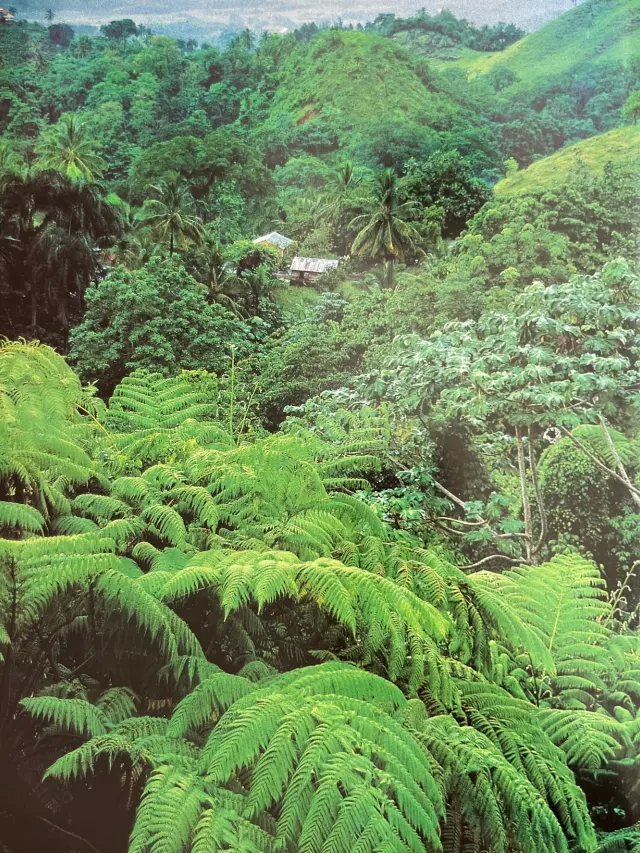
 Vintage Photographic Book Capture of the Dominican Republic
#Caribbean
1 ideas
Vintage Photographic Book Capture of the Dominican Republic
Get new #Caribbean ideas by email
Every Thursday: the week's best ideas, with the newest from #Caribbean.
Related tags
The Caribbean: Islands, Culture and Everyday Warmth
The Caribbean is both a sea and a way of life. Stretching between North and South America, it takes in a long arc of islands — the larger ones of the Greater Antilles, the smaller scattered chain of the Lesser Antilles, and the mainland coasts that share its waters — bound together less by geography than by climate, history and a habit of gathering outdoors.
What unites the region is a shared history of movement. People came, were brought, or were born here from Africa, Europe, Asia and the indigenous communities of the islands themselves, and the cultures that grew out of that mixture are the reason the Caribbean feels so distinctive. You hear it in the languages: Spanish, English, French and Dutch sit alongside Creoles and Papiamento, often in the same street.
Music and celebration
Music is not background here; it is the organising principle of the year. Each island has its own sound and its own season of celebration — carnival processions with costumes prepared over months, street parades, and music that changes name as you travel: reggae and dancehall, calypso and soca, merengue and bachata, salsa, zouk and kompa. Visitors are welcome at most of it, provided they come with patience, sunscreen and a willingness not to rush.
Read more
Food and the table
Caribbean cooking is built on what grows easily and feeds many: rice and peas, plantains in every stage of ripeness, cassava, sweet potato, coconut milk, beans, salted fish, and fruit picked ripe and eaten standing up. Seasoning leans on allspice, thyme, scotch bonnet, ginger and lime. Jerk — meat slowly cooked over a fire with a spiced marinade — is the best-known example, but every island has a one-pot dish it considers its own. If you are invited to eat, accept; the table is where hospitality is expressed.
Crafts and the handmade
Look for straw work, carved wood, pottery, embroidery, batik and screen-printed textiles, and the model boats and masks sold in markets. Buying directly from the maker is the best way to understand what you are holding, and the surest way the craft continues.
What to know before you go
- The climate is warm year-round, with a wetter season in the second half of the year; travel plans should stay flexible.
- Island time is real. Schedules loosen; build slack into your days rather than fighting it.
- Sun and sea deserve respect: shade at midday, plenty of water, and never swim alone or beyond your ability.
- Learn a few words of the local language or Creole. The attempt is appreciated far more than its accuracy.
The Caribbean rewards slowness. Give yourself fewer plans than you think you need, and let the day find you.
#Caribbean: frequently asked questions
How do I start planning a first trip to the Caribbean?
Start with the shape of the trip rather than the itinerary: pick one island or a small cluster and give yourself room around it, because travel between islands eats time and schedules tend to loosen. Read up on the local language or Creole before you go, and leave some days unplanned so the place can suggest things to you.
Which island should I choose?
Choose by the sound and the season you want rather than by a ranking — each island has its own music, its own carnival or festival calendar, and its own one-pot dish it considers definitive. The larger islands suit travellers who want variety and infrastructure, while the smaller ones in the scattered chain reward people who are happy with less and slower. Think about what you actually want to do with your days, then match the island to that.
What should I pack and prepare for?
Pack light, breathable clothing, good sun protection and footwear you can walk in, and expect warmth all year with a wetter stretch in the second half of the year, so keep plans flexible. Bring a little patience too — being punctual matters less than being unhurried, and building slack into your days works better than fighting the pace.
How should I care for crafts and handmade pieces I buy there?
Ask the maker directly how a piece should be treated — straw, carved wood, pottery, batik and printed textiles each want different handling, and the person who made it will tell you more than any label. Keep sun and damp in mind for natural materials, and pack fragile or woven items so they are not crushed in transit. Buying from the maker is also the surest way the craft keeps going.
Any ideas for celebrating something in the Caribbean, like a wedding or a family gathering?
Build the occasion around what the region does naturally: food cooked in quantity, music, and a table that people linger at outdoors. Carnival season offers costumes, processions and street music that visitors are generally welcome to join, provided they come with patience rather than a schedule. If you are invited to eat, accept — the table is where hospitality is expressed.
What mistakes do visitors commonly make?
The usual ones are over-packing the schedule, underestimating the sun and sea, and treating local time as something to be corrected. Shade at midday, drink plenty of water, swim within your ability and never alone, and learn a few words of the local language — the attempt is valued far more than its accuracy.
Videos come from YouTube and posts from Instagram; titles and summaries are our own. All rights belong to their creators.