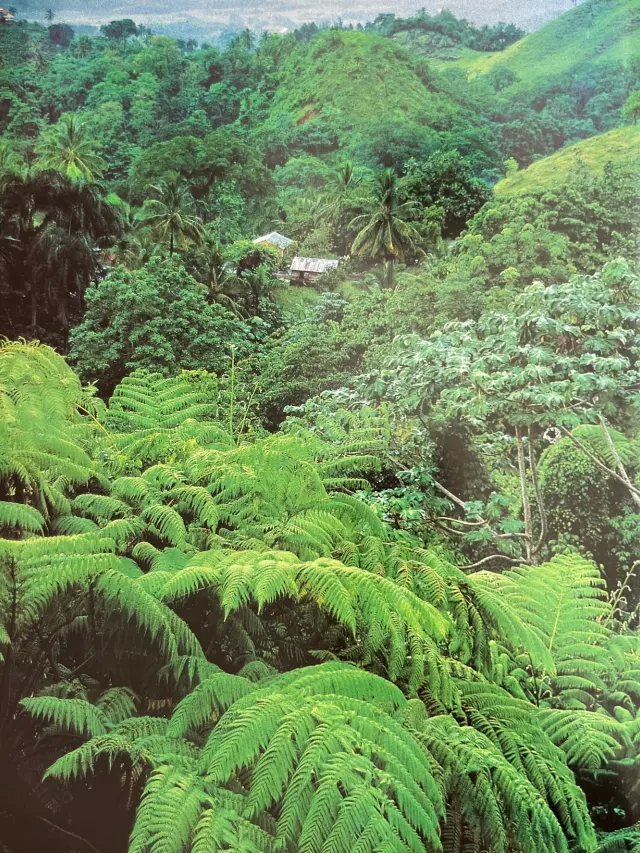
 Vintage Photographic Book Capture of the Dominican Republic
#Dominican Republic
2 ideas
Vintage Photographic Book Capture of the Dominican Republic
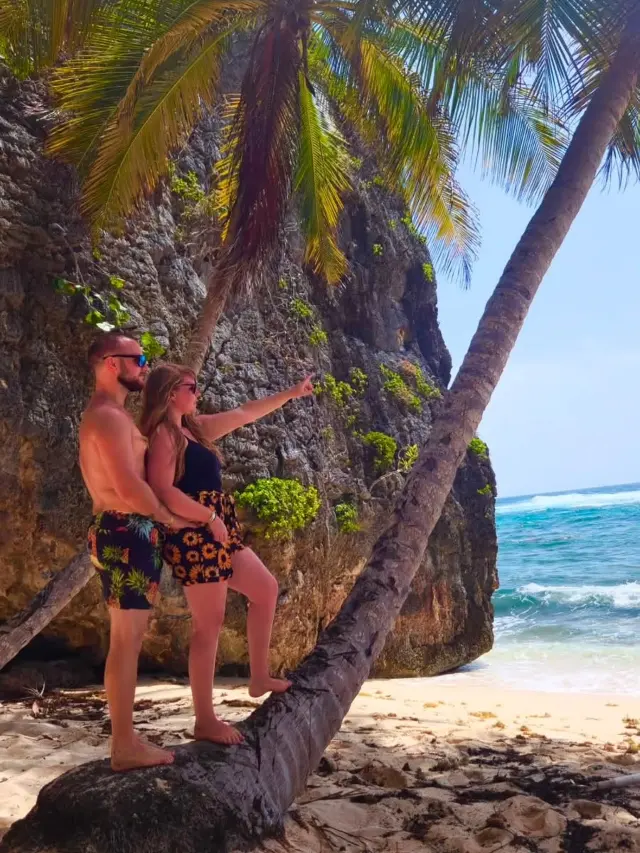 Scenic View of Playa Frontón in the Dominican Republic
Get new #Dominican Republic ideas by email
Every Thursday: the week's best ideas, with the newest from #Dominican Republic.
Related tags
Dominican Republic Guide
A country of mountains, beaches, and history
The Dominican Republic is a Caribbean country that shares the island of Hispaniola with Haiti. It has a rich mix of Indigenous, African, and Spanish influences that shape its language, food, music, architecture, and everyday life. For many people, it is known for its long coastline, tropical scenery, and welcoming culture, but it is also a country with deep historical roots and a strong sense of identity.
You can experience very different landscapes within the country: wide beaches, palm-lined coastlines, fertile valleys, dry coastal areas, and mountain regions. This variety is part of what makes it so distinctive. The capital, Santo Domingo, is especially important for understanding the country’s past, with historic buildings and streets that reflect its colonial history.
What the country is known for
Read more
The Dominican Republic has a lively cultural tradition. Music and dance are central to daily life, especially merengue and bachata, which are closely connected to Dominican identity. You will also find a strong love of celebration, family gatherings, and shared meals.
Dominican food is comforting and full of familiar flavors. Rice, beans, plantains, meats, root vegetables, and tropical fruits are all common. Meals are often simple, generous, and meant to be shared. In many homes, food is part of hospitality, and eating together is an important social tradition.
Handicrafts, religious festivals, baseball, and local markets are also part of the cultural fabric. If you are interested in everyday life rather than only tourist highlights, these are some of the best places to notice the country’s personality.
Places, styles, and experiences
The Dominican Republic can be enjoyed in several different ways:
- Beach and coastal travel: calm waters, resort areas, fishing towns, and hidden coves
- City and heritage travel: colonial-era streets, museums, churches, and plazas
- Nature travel: mountains, waterfalls, national parks, and rural landscapes
- Cultural travel: music, dance, food, crafts, and local traditions
Each region has its own character, so it helps to decide whether you want rest, exploration, history, or a mix of all three. A beach area may feel relaxed and easygoing, while a city visit gives you more history and street life. Inland areas can feel quieter and more connected to the land.
What to know if you are visiting
If you are planning a trip, it helps to keep a few simple things in mind:
- Dress lightly for the heat, but bring something modest if you plan to visit churches or formal places
- Carry sun protection and drink plenty of water
- Learn a few basic Spanish phrases if you can
- Be polite and patient in everyday interactions
- Use common sense with money, transport, and belongings, as you would anywhere
The country is easy to enjoy when you slow down and let yourself follow local rhythms. Early mornings, unhurried meals, and time outdoors are all part of the experience.
A place to enjoy slowly
The Dominican Republic is more than a postcard of beaches. It is a country of layered history, warm social traditions, and varied landscapes. Whether you are drawn to its music, its colonial heritage, its food, or its natural beauty, you will find a place that rewards curiosity. If you approach it with openness and respect, you will discover that its charm lies not only in what you see, but in how life is lived there.
#Dominican Republic: frequently asked questions
What is the Dominican Republic best known for?
It is a Caribbean country on the island of Hispaniola, known for its long coastline, tropical scenery, and a culture shaped by Indigenous, African, and Spanish influences. Beyond the beaches, it has mountain landscapes, colonial-era heritage in the capital, and a strong tradition of music, dance, and shared family meals.
How do I decide which part of the country to visit?
Start by deciding what you want most: rest, history, nature, or a mix. Coastal areas suit relaxed beach time, the capital is best for museums, churches, and old streets, and inland regions offer mountains, waterfalls, and a quieter rural pace.
What should I pack and keep in mind for a visit?
Pack light clothing for the heat, but bring something a little more modest for churches and formal places. Sun protection and plenty of water matter, and a few basic Spanish phrases go a long way in everyday exchanges.
What food should I try while I'm there?
Dominican cooking is comforting and built around rice, beans, plantains, meats, root vegetables, and tropical fruits. Meals tend to be simple and generous, and eating together is treated as part of hospitality, so accepting an invitation to share a meal is a meaningful gesture.
What are common mistakes first-time visitors make?
A common one is treating the country as only a beach destination and missing its history, food, and inland landscapes. Another is over-scheduling: the local rhythm is unhurried, and early mornings, slow meals, and time outdoors are where the trip feels best. As anywhere, use ordinary caution with money, transport, and belongings.
How can I experience local culture rather than just tourist highlights?
Look to music and dance, religious festivals, handicrafts, baseball, and everyday markets, which are where the country's personality shows most clearly. Being polite and patient in daily interactions, and slowing down to follow local rhythms, will get you much further than rushing between sights.
Videos come from YouTube and posts from Instagram; titles and summaries are our own. All rights belong to their creators.