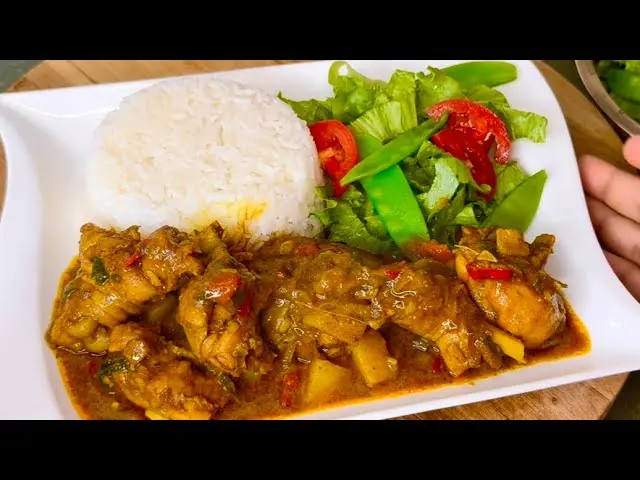
 Jamaican Curry Chicken With Burned Curry and Scotch Bonnet
#Caribbean Cooking
3 ideas
Jamaican Curry Chicken With Burned Curry and Scotch Bonnet
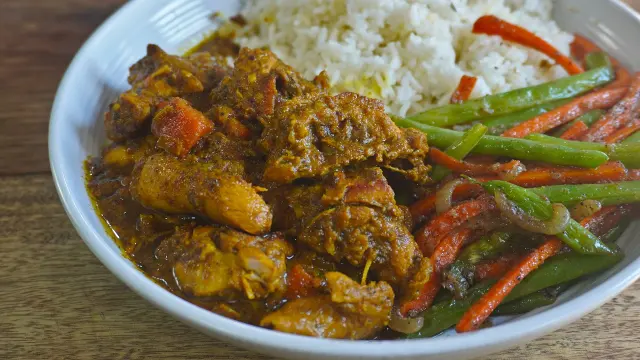 Why Burning the Curry Powder Matters in Jamaican Curry Chicken
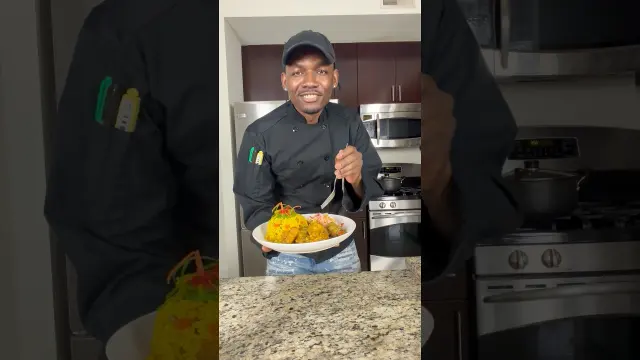 Authentic Jamaican Curry Chicken With Rich Curry Gravy
Get new #Caribbean Cooking ideas by email
Every Thursday: the week's best ideas, with the newest from #Caribbean Cooking.
Related tags
Caribbean Cooking: A Guide to Islands, Spices and Soul
Caribbean cooking is less a single cuisine than a family of them. Stretching from Jamaica and Cuba through Haiti, Puerto Rico, the Lesser Antilles and down to Trinidad and Tobago, the region holds hundreds of islands and mainland coastlines, each with its own language, produce and habits. What ties the food together is a shared history: Indigenous peoples, then Spanish, French, British and Dutch colonisers, then enslaved Africans and later indentured workers from India and China all contributed ingredients and techniques. That layering is why a Caribbean kitchen can hold a Scotch bonnet, a curry powder, a bottle of malt vinegar and a coconut all at once.
The ingredients that do the work
The flavour base across much of the region is a sofrito or green seasoning: onion, garlic, bell pepper, celery, culantro or cilantro, blended and kept in the fridge to start stews, rice and beans. From there the pantry widens.
- Allspice, called pimento in Jamaica, with its warm mix of clove, cinnamon and pepper.
- Thyme, scallion and hot peppers, the trinity behind countless marinades.
- Coconut milk, for rice, bean stews and curries.
- Dried and salted fish, which shaped dishes from ackee and saltfish to bacalao.
- Ground provisions: yam, dasheen, cassava, sweet potato and breadfruit.
Read more
Scotch bonnet deserves its own note: it is fruity and extremely hot, and it is usually added whole or barely split so it perfumes a pot without overwhelming it. Handle it with care and wash your hands afterwards.
Cooking methods worth knowing
Much Caribbean food is built on slow, patient heat. Stews and curries are browned first, then simmered until the meat gives way. "Burning" or toasting spices in hot oil before adding liquid is a common trick, deepening the flavour of curry powders. Jerk is a different logic altogether: a wet paste of allspice, thyme, scallion and pepper, applied to meat and cooked slowly over pimento wood, or approximated in an oven. Rice and peas, oil down, callaloo, pepperpot and sancocho all follow the same principle of layering starch, protein and seasoning in one pot.
Frying matters too, from Jamaican festivals and Trinidadian doubles to the saltfish fritters found almost everywhere. Baking leans on cassava, cornmeal and coconut.
If you are just starting
Begin with a good green seasoning and a jar of allspice, and learn one stew properly before branching out. Taste as you go, because heat and salt build quickly. Buy whole spices and grind them fresh when you can. Respect the pepper: add it early for depth, later for bite, and remember that a little goes far. Seek out a Caribbean grocer or market for ground provisions and salted fish, and ask what is good that week.
Above all, Caribbean cooking is generous. Portions are made for company, dishes are passed around, and a meal is rarely just food. Cook it slowly, share it widely, and the cuisine will teach you the rest.
#Caribbean Cooking: frequently asked questions
What is the best way to start cooking Caribbean food at home?
Start with a flavorful green seasoning made from onion, garlic, herbs, and peppers, then learn one simple stew or curry before trying more dishes. Keep allspice, thyme, scallion, and a good hot pepper on hand, and build the dish slowly so the flavors deepen as it cooks.
How do I make Jamaican curry chicken taste more authentic?
Use curry powder that has been gently toasted in hot oil before the liquid goes in, since that step helps the spices taste fuller and richer. Add Scotch bonnet carefully, brown the chicken first, and let it simmer until the sauce becomes fragrant and well blended.
What should I choose if I want to cook a Caribbean meal for guests?
Choose dishes that cook in one pot and are easy to share, such as a curry, stew, or rice-and-peas style meal. These recipes fit the social side of Caribbean cooking and work well when you want something generous and comforting for a group.
How do I handle Scotch bonnet peppers safely in the kitchen?
Scotch bonnet is very hot, so use it sparingly and decide whether you want it to perfume the dish or give direct heat. Handle it carefully, avoid touching your face, and wash your hands well after prepping it.
What are common mistakes people make when cooking Caribbean food?
A common mistake is adding too much pepper too early, which can overpower the other flavors. Another is rushing the cooking, when many Caribbean dishes need slow simmering or proper browning to develop their best taste.
Videos come from YouTube and posts from Instagram; titles and summaries are our own. All rights belong to their creators.