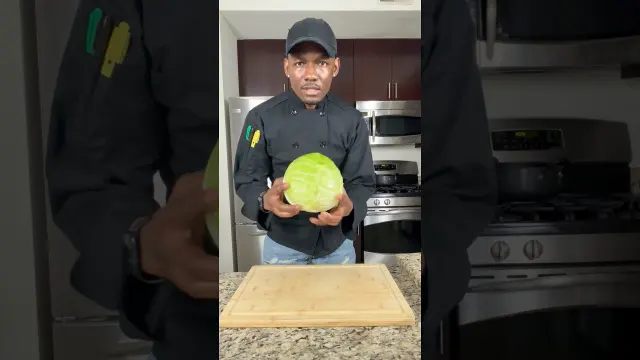
 Authentic Jamaican Steamed Cabbage Side Dish
#Caribbean Cuisine
1 ideas
Authentic Jamaican Steamed Cabbage Side Dish
Get new #Caribbean Cuisine ideas by email
Every Thursday: the week's best ideas, with the newest from #Caribbean Cuisine.
Related tags
Caribbean Cuisine: Flavours, Dishes and Traditions
What Caribbean cuisine is
Caribbean cuisine is the food culture of the islands and coastal regions of the Caribbean Sea. It brings together influences from Indigenous peoples, Africa, Europe, India, China, and the Middle East, shaped over centuries by migration, trade, and local ingredients. Because the region is made up of many islands and communities, there is no single Caribbean cooking style. Instead, the cuisine is wonderfully varied, while still sharing a love of bold seasoning, slow-cooked dishes, fresh produce, and generous hospitality.
At its heart, Caribbean food is practical and resourceful. Cooks have long used what grows well in warm climates: yams, plantains, sweet potatoes, cassava, breadfruit, rice, beans, peppers, tomatoes, herbs, coconuts, and tropical fruits. Seafood is common near the coast, while poultry, pork, beef, and goat are also widely used. Dried spices, marinades, and sauces help build deep flavour in simple ingredients.
Common flavours and techniques
Read more
Many Caribbean dishes begin with a seasoning base of herbs, aromatics, and peppers. Onion, garlic, thyme, scallion, ginger, cilantro, and allspice are especially familiar, though each island and family may use its own mix. Citrus juices, vinegar, hot pepper, and coconut milk are also common ingredients, adding brightness, heat, or richness.
Cooking methods vary, but several are especially typical:
- slow stewing, which lets meat and vegetables become tender and well seasoned
- grilling or roasting, often over open heat
- frying, used for breads, fritters, fish, and snacks
- steaming, which keeps vegetables fresh and light
- rice-and-bean cooking, a practical one-pot approach found in many homes
Well-known dishes and styles
Caribbean cuisine includes many beloved dishes, though names and recipes differ from island to island. You may find jerk-style meats, curries, rice and peas, stewed beans, fried dumplings, plantain dishes, fish soups, and sweet breads or cakes. Some foods are everyday staples, while others are served for celebrations, family gatherings, or holidays.
A useful way to think about Caribbean cooking is by its balance:
- starches such as rice, bread, dumplings, or root vegetables
- a protein such as fish, chicken, meat, or beans
- vegetables, often cooked simply or as part of a stew
- a sauce or seasoning that ties everything together
What to know if you are cooking it
If you are new to Caribbean cuisine, start by tasting and adjusting as you go. Heat levels can vary a lot, so use peppers carefully if you are not used to spicy food. Build flavour in layers rather than relying on one strong spice. Fresh herbs and citrus can brighten a dish, while slow cooking can soften stronger seasonings into something balanced.
It also helps to remember that Caribbean food is deeply home-based. Recipes are often passed down informally and adapted to what is available. That means there is room to learn, substitute, and make dishes your own while still respecting the spirit of the cuisine: simple ingredients, careful seasoning, and food made to be shared.
#Caribbean Cuisine: frequently asked questions
How do I start cooking Caribbean food at home?
Begin with a simple one-pot dish built around rice and beans or a slow-stewed protein, since these forgiving formats let you taste and adjust as you go. Focus on layering flavour — aromatics first, then spices, then liquid — rather than trying to nail a whole traditional menu at once. As you get comfortable with the balance of starch, protein, vegetable and sauce, you can add more involved dishes.
What ingredients should I keep on hand for Caribbean cooking?
A practical pantry includes onion, garlic, scallion, thyme, ginger, allspice, hot pepper, citrus, vinegar and coconut milk, which together cover most seasoning bases. From there, stock sturdy staples such as rice, dried beans, root vegetables and plantains so a meal is always within reach. Fresh herbs and citrus are worth buying as needed, because they do much of the work of brightening a finished dish.
Which kind of Caribbean cooking should I choose to try first?
Think about the cooking style you already enjoy and pick the closest match — if you like grilled food, start with open-heat cooking; if you prefer comfort food, start with stews. Because the region has many islands and communities, styles differ widely, so there is no single correct entry point. Choosing by technique rather than by dish name usually makes the first attempt easier.
How do I keep a Caribbean dish from becoming too spicy?
Add pepper gradually and taste between additions, since the same type of pepper can vary in strength. If a dish turns out hotter than you wanted, extra coconut milk, a spoonful of stewed beans, or more starch will soften it. Remember that heat is meant to sit alongside other flavours rather than dominate them, so balance it with citrus, salt and richness.
What are good ideas for serving Caribbean food at a gathering?
Build the table around a generous main such as a stewed dish or grilled protein, then add complementary sides like rice and peas, fried dumplings, plantains or a simply cooked vegetable. Offer a sauce or relish on the side so guests can season their own plates to taste. Caribbean food is made for sharing, so serving family-style in the middle of the table suits it well.
What common mistakes should I avoid when cooking Caribbean food?
The most frequent slip is relying on a single strong spice instead of building flavour in stages through aromatics, seasoning and slow cooking. Another is rushing a stew that needs time for tougher cuts and stronger seasonings to mellow and come together. Finally, don't treat a recipe as fixed — these dishes have always been adapted to what is on hand, so substitute freely while keeping the seasoning careful.
Videos come from YouTube and posts from Instagram; titles and summaries are our own. All rights belong to their creators.