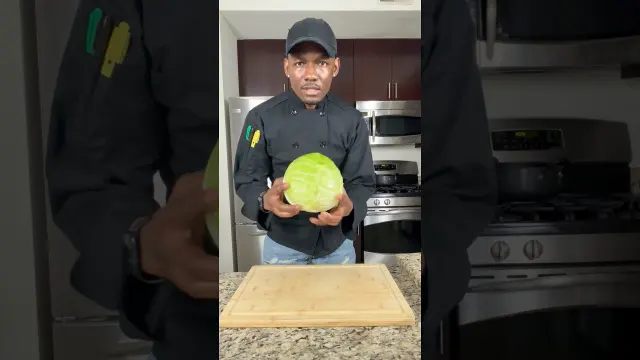
 Authentic Jamaican Steamed Cabbage Side Dish
#Jamaican Food
2 ideas
Authentic Jamaican Steamed Cabbage Side Dish
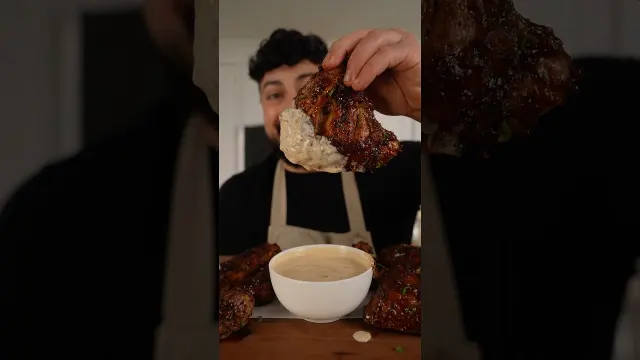 Authentic Jamaican Jerk Chicken Recipe With Homemade Sauce
Get new #Jamaican Food ideas by email
Every Thursday: the week's best ideas, with the newest from #Jamaican Food.
Related tags
Jamaican Food: Flavors, Dishes and Traditions
What Jamaican food is
Jamaican food is the traditional cooking of Jamaica, shaped by the island’s Indigenous roots and by influences from Africa, Europe, India, and China. It is known for bold seasoning, slow cooking, and a balance of heat, sweetness, and savoury depth. At its best, Jamaican cooking feels generous and full of character, with meals built around rice, vegetables, seafood, poultry, and root crops.
The food is closely tied to home cooking and family gatherings, where recipes are often passed down by memory rather than written rules. Many dishes are simple in structure but rich in flavour, relying on fresh herbs, allium, peppers, citrus, and spice blends.
Common dishes and ingredients
Read more
Some of the best-known Jamaican dishes include jerk chicken, curried dishes, stews, rice and peas, patties, fried dumplings, and steamed cabbage. Breakfast and street food are also an important part of the cuisine, with dishes that are filling and practical as well as flavourful.
Common ingredients include:
- Scotch bonnet pepper for heat
- Thyme, scallion, garlic, and onion
- Allspice, often used in savoury cooking
- Coconut milk
- Ginger and citrus
- Callaloo, cabbage, plantain, yam, sweet potato, and cassava
- Beans and peas, especially in rice dishes
These ingredients reflect both the island’s farming traditions and the need to make satisfying meals from what is fresh and available.
Signature cooking styles
Jamaican cooking uses a few distinctive methods. Jerk is one of the most famous: meat is seasoned with a spicy, aromatic mixture and then cooked slowly over heat or roasted until deeply flavoured. Stewing is another common method, often used for chicken, goat, or fish, with a sauce that becomes richer as it cooks.
Curries are also widely enjoyed. Jamaican curried dishes are usually seasoned generously and cooked until tender, often served with rice or bread. Steaming and sautéing are important too, especially for vegetables like cabbage or callaloo, which are cooked just enough to stay soft but not heavy.
What to know if you are new to it
If you are new to Jamaican food, start with a few familiar flavours and build from there. The cuisine can be spicy, but heat is only one part of it. The deeper flavour often comes from herbs, slow cooking, and careful seasoning. If you prefer milder food, you can still enjoy the same dishes by using less pepper while keeping the aromatic base.
A good Jamaican meal usually has balance. Rich meats are often served with plain rice, vegetables, or dumplings. Sweet ripe plantain may appear beside savoury dishes, and that contrast is part of the appeal.
Practical tips for cooking and eating
- Season early so the flavours have time to blend.
- Use fresh herbs if you can, especially thyme and scallion.
- Taste as you go, especially with pepper and salt.
- Let stews and jerk-style dishes cook long enough for the flavour to deepen.
- Pair bold mains with simple sides like rice, cabbage, or boiled root vegetables.
If you want to explore Jamaican food at home, begin with one dish at a time. A simple rice dish, a vegetable side, or a seasoned chicken recipe can give you a good sense of the cuisine. Over time, you will notice that Jamaican cooking is less about complication and more about building strong, honest flavour from good ingredients.
#Jamaican Food: frequently asked questions
How do I start cooking Jamaican food at home?
Pick one dish — a seasoned chicken, a rice dish, or a steamed vegetable side — and get comfortable with it before adding more to your repertoire. Build the flavour from a small set of familiar ingredients like thyme, scallion, garlic, and allspice, tasting as you go. Once those seasonings feel natural in your hands, the rest of the cuisine becomes much easier to approach.
Which ingredients should I keep on hand?
A small core carries most of the cooking: Scotch bonnet pepper, thyme, scallion, garlic, onion, allspice, and coconut milk. Adding root vegetables, plantain, cabbage, and beans or peas means you can put together a complete meal without a long shopping list.
Is Jamaican food always very spicy?
Heat is only one layer of the flavour — much of the depth comes from herbs, slow cooking, and generous seasoning rather than pepper alone. You can cut back on or leave out the pepper entirely and still keep the aromatic base intact. Pairing a bold dish with plain rice or sweet ripe plantain also softens how much heat you notice.
Which dish should I try first if I am new to it?
Jerk chicken is the most recognisable entry point, and a steamed cabbage side is an easy way to round it out into a full plate. If you would rather start milder or meat-free, a curried vegetable dish or rice and peas with a simple side works just as well.
What mistakes do people make when cooking it?
Underseasoning at the start is the usual one — flavours need time to blend, so season early instead of correcting at the end. Rushing a stew or jerk-style dish is the other; these need long, gentle cooking to develop their depth. Reaching for a lot of pepper up front rather than tasting as you go also throws off the balance.
What should I serve if I am cooking for a gathering?
A bold main such as jerk chicken or a slow-cooked stew, paired with plain rice, steamed cabbage, and fried dumplings, gives the balance Jamaican meals are known for. Add ripe plantain for sweetness against the savoury dishes, and keep the sides simple so the seasoned main stays the focus.
Videos come from YouTube and posts from Instagram; titles and summaries are our own. All rights belong to their creators.