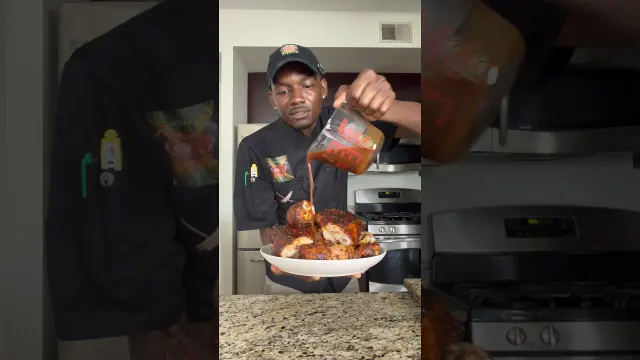
 Jamaican Oven Jerk BBQ Chicken with Island Spices
#Jerk Chicken
2 ideas
Jamaican Oven Jerk BBQ Chicken with Island Spices
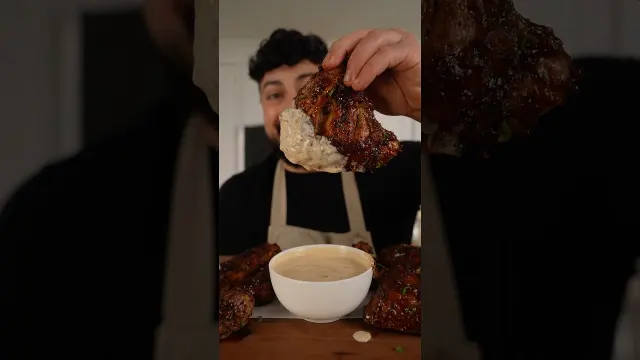 Authentic Jamaican Jerk Chicken Recipe With Homemade Sauce
Get new #Jerk Chicken ideas by email
Every Thursday: the week's best ideas, with the newest from #Jerk Chicken.
Related tags
Jerk Chicken: Jamaican Spiced Grilled Chicken
Jerk chicken is one of Jamaica’s best-known dishes: chicken seasoned with a bold, aromatic spice rub or marinade, then cooked over heat until the skin is deeply flavored and the meat stays juicy. It is especially associated with Jamaican cooking, but its roots go back further, to the cooking traditions of the island’s Maroon communities, who used local spices and slow, smoky methods to preserve and flavor meat.
What makes jerk chicken distinctive is the balance of heat, sweetness, herbs, and warm spices. Scotch bonnet pepper is often part of the seasoning, giving the dish its signature fire, while ingredients such as scallion, thyme, allspice, garlic, ginger, onion, and black pepper create depth. The flavor should be layered rather than simply hot. Good jerk seasoning tastes fragrant first, then smoky, then spicy.
How jerk chicken is made
Traditionally, jerk chicken is marinated so the seasoning can soak into the meat. The chicken is then cooked over charcoal or wood, which adds a smoky character that is central to the dish. In home kitchens, it can also be roasted or grilled. The goal is usually a dark, well-seasoned exterior with tender meat inside.
Read more
There are a few common approaches:
- Dry jerk seasoning: a spice rub used before grilling or roasting
- Wet jerk marinade: a blended paste or sauce that coats the chicken more evenly
- Slow-cooked jerk: used for larger pieces or a gentler, deeper flavor
- Grilled jerk: the most familiar style, with charred edges and smoky aroma
What to know if you are making it
If you are new to jerk chicken, start with a marinade that feels balanced rather than overwhelmingly hot. The chicken should be coated well and left to rest long enough for the seasoning to work into the meat. Thicker cuts, such as bone-in pieces, often stay juicier and are more forgiving than very lean cuts.
A few practical tips help:
- Taste the seasoning before using it, if possible, and adjust the salt and heat carefully
- Give the chicken time to marinate for fuller flavor
- Cook over medium heat so the outside does not burn before the inside is done
- Let the meat rest after cooking so the juices settle
- Serve it with simple sides that balance the spice, such as rice, flatbread, plantains, or a fresh salad
Why it remains so popular
Jerk chicken is loved because it is bold without being complicated. It works well for casual meals, outdoor cooking, and family gatherings, and it can be made in different ways while still keeping its essential character. At its heart, it is a dish about seasoning, smoke, and patience. If you keep those three things in mind, you will understand jerk chicken very quickly, and you will be able to make it in a way that feels true to the tradition.
#Jerk Chicken: frequently asked questions
What exactly is jerk chicken, and what makes it different from other grilled chicken?
Jerk chicken is chicken coated in a fragrant, layered seasoning and then cooked with smoke and heat until the outside is dark and well flavored while the meat stays juicy. What sets it apart is the balance of chili heat, warmth from spices like allspice, and fresh herb notes, rather than pure fire. The tradition comes from Jamaica's Maroon communities, who used local spices and slow smoky cooking to flavor and preserve meat.
How do I get started making jerk chicken if I have never cooked it before?
Begin with a marinade you can taste and adjust, keeping the heat moderate so the other flavors still come through. Coat bone-in pieces well, since they stay juicier and are more forgiving than lean cuts, and give them enough time for the seasoning to work in. Cook over moderate heat so the skin darkens without burning before the inside is done, then let the meat rest before serving.
Should I use a dry jerk rub or a wet marinade?
A wet marinade clings more evenly and tends to season the meat more deeply, which makes it the easier choice for a first attempt. A dry rub gives a more concentrated crust and works nicely when you want a crisp surface, especially for grilling or roasting. Some cooks combine the two, starting with a marinade and adding a little rub before cooking for extra depth.
How do I keep jerk chicken from burning on the outside while the middle is still raw?
The usual culprit is heat that is too high, so cook more gently and move the chicken away from the hottest area if the skin starts to darken too fast. Bone-in pieces help here because they tolerate longer cooking without drying out. Resting the meat afterward also lets the juices settle, so the finished chicken tastes juicier.
Can I make jerk chicken milder without losing its character?
Yes, and it is worth doing while you get comfortable with the dish. Use less of the fiery chili element and lean on scallion, thyme, garlic, ginger, onion, and warm spices for depth, tasting as you go and adjusting salt and heat carefully. The goal is seasoning that smells fragrant first, then smoky, then spicy, rather than heat alone.
What should I serve alongside jerk chicken?
Choose sides that soften the spice and let the seasoning stay the star: rice, flatbread, plantains, or a fresh salad all work well. For casual outdoor cooking and family gatherings, keep the sides simple so the chicken stays the centerpiece. A cooling, plain accompaniment is usually more welcome than another strongly spiced dish.
Videos come from YouTube and posts from Instagram; titles and summaries are our own. All rights belong to their creators.