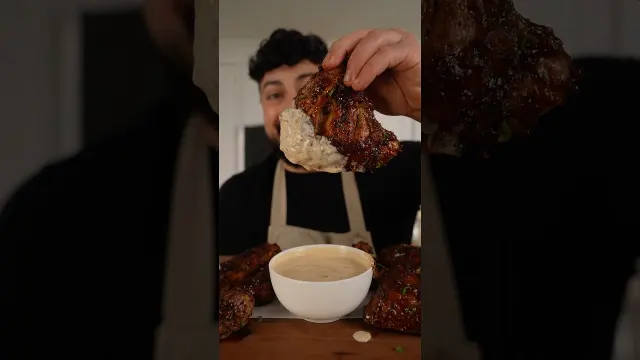
 Authentic Jamaican Jerk Chicken Recipe With Homemade Sauce
#Spicy Chicken
1 ideas
Authentic Jamaican Jerk Chicken Recipe With Homemade Sauce
Get new #Spicy Chicken ideas by email
Every Thursday: the week's best ideas, with the newest from #Spicy Chicken.
Related tags
Spicy Chicken Guide and Cooking Basics
Spicy chicken is a broad name for chicken seasoned or cooked with ingredients that bring heat, warmth, and depth. It can be grilled, roasted, fried, stewed, or baked, and the spice level can range from gently warming to very hot. Around the world, spicy chicken appears in many forms, from dry spice rubs and peppery marinades to saucy dishes with chili, garlic, ginger, or aromatic spices.
What makes chicken spicy
The heat in spicy chicken usually comes from chili peppers, chili flakes, hot sauces, pepper pastes, or spice blends that include warming spices. But “spicy” does not only mean hot. It can also mean richly seasoned, with layers of flavor from ingredients like paprika, cumin, coriander, black pepper, mustard, garlic, or fresh herbs. In many cuisines, spice is used to brighten the meat, balance richness, and create a deeper flavor overall.
Common styles
Read more
There are many ways to make spicy chicken, and the best one depends on the texture and flavor you want.
- Dry-rubbed chicken: coated with spices before roasting, grilling, or frying
- Marinated chicken: soaked in a mixture that may include yogurt, citrus, oil, herbs, and chili
- Saucy chicken: cooked in a spicy sauce that clings to the meat
- Braised or stewed chicken: simmered slowly so the spices blend into the liquid
- Fried chicken with heat: seasoned in the coating or finished with a spicy glaze
Some versions are smoky, some are tangy, and some are earthy or aromatic. If you enjoy bold flavor, you can lean into chilies and black pepper. If you prefer a gentler heat, use sweet spices or mild chilies alongside fresh herbs and acid.
How to build good flavor
A balanced spicy chicken dish usually combines heat with salt, fat, and acidity. Salt helps the seasoning reach the meat. Fat, from oil, butter, coconut milk, or the chicken itself, carries flavor and softens sharp heat. Acid from lemon, lime, vinegar, or yogurt adds brightness and keeps the dish from tasting flat.
For beginners, it helps to season in layers:
- Season the chicken before cooking
- Taste and adjust the sauce or glaze
- Finish with fresh herbs, citrus, or a little extra spice if needed
When cooking, be careful not to burn dry spices. If you’re using a rub, let it sit briefly so the flavor starts to penetrate the surface. If you’re making a sauce, cook the aromatics first, then add spice so it blooms without becoming bitter.
Practical tips
If you’re new to spicy chicken, start with a milder amount of chili and build up next time. It’s easier to add heat than remove it. You can also reduce sharpness by serving the chicken with rice, bread, yogurt, or a cooling salad. Cutting the chicken into smaller pieces can help seasoning distribute evenly and shorten cooking time.
Choose the cooking method that suits the cut. Thighs stay juicy in braises and grills, while breasts work well with shorter cooking times and lighter sauces. Whatever style you choose, cook the chicken fully and let it rest briefly before serving so the juices stay inside.
#Spicy Chicken: frequently asked questions
How do I start making spicy chicken if I'm new to cooking with heat?
Begin with a smaller amount of chili than you think you need and taste as you go, since adding heat later is easy while removing it is not. Season the chicken before it goes into the pan, then adjust the sauce or glaze at the end. Finish with fresh herbs, a squeeze of citrus, or a little extra spice to bring everything into focus.
What ingredients do I actually need on hand for spicy chicken?
The core is something that carries heat, such as chilies, chili flakes, a hot sauce, or a pepper paste, plus warming spices like paprika, cumin, coriander, or black pepper. Just as important are salt, a source of fat, and something acidic — oil, butter, or coconut milk on one side and lemon, lime, vinegar, or yogurt on the other. Those extras are what keep the dish tasting layered rather than simply hot.
Which style of spicy chicken should I pick?
It comes down to the texture and flavor you're after: a dry rub gives a crisp, seasoned surface, a marinade tenderizes and flavours the meat through, and a sauce clings and coats. Braising or stewing lets the spices meld slowly into a liquid, which suits richer, deeper results. Match the method to the cut — thighs hold up well to long, slow cooking, while breast meat prefers quicker methods and lighter sauces.
How do I stop spicy chicken from tasting harsh or one-dimensionally hot?
Balance the heat with fat, salt, and acid, because fat softens sharpness while acid lifts the whole dish and stops it tasting flat. Serving the chicken alongside rice, bread, yogurt, or a cooling salad also tempers the burn on the plate. If a sauce turns out fiercer than expected, stir in something creamy or a little more liquid rather than trying to dilute the spice alone.
What mistakes should I avoid when cooking spicy chicken?
The most common one is scorching dry spices — keep the heat moderate and add ground spices to fat or liquid rather than letting them sit in a hot dry pan. Another is dumping in all the chili at once instead of building it in stages. Finally, don't skip resting the chicken briefly after cooking, and always make sure it's cooked through before serving.
Videos come from YouTube and posts from Instagram; titles and summaries are our own. All rights belong to their creators.