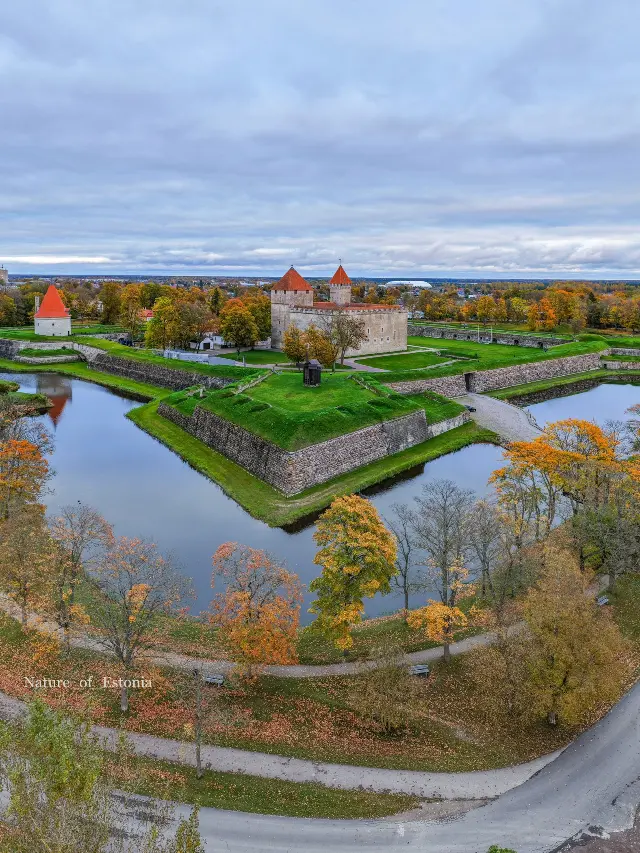
 Exploring the historic architecture of Kuressaare Episcopal Castle in Estonia
#Castle
2 ideas
Exploring the historic architecture of Kuressaare Episcopal Castle in Estonia
Get new #Castle ideas by email
Every Thursday: the week's best ideas, with the newest from #Castle.
Related tags
Castle: A Beginner's Guide to Fortified Homes
A castle is a fortified home. That combination is what separates it from a fortress on one side and a manor house on the other: it was built to be defended and to be lived in, usually by a lord, a noble family, and the household and garrison that kept the place running. The form is most closely associated with medieval Europe, but fortified residences appear in many parts of the world, and the word is used loosely enough to cover everything from a stone tower house to a palace with battlements that were never meant to stop anyone.
Where the castle comes from
The earliest castles in western Europe grew out of earth and timber: a raised mound, a ditch, a stockade, and a courtyard below. These motte-and-bailey sites were quick to build and cheap to abandon, and many of them were later rebuilt in stone as money and stability allowed. Stone gave the same basic idea a permanence it had never had, and the great square keep became the recognisable core of the medieval castle.
The parts that do the work
Once you learn a handful of features, a ruined castle stops looking like a heap of stones and starts reading like a plan:
- The curtain wall is the outer ring of defence, often with a walkway along the top.
- The gatehouse is the weak point, and therefore usually the strongest, most elaborate part.
- Towers strengthen the wall and let defenders see along it.
- Arrow slits and crenellations show where archers stood and where they were protected.
- The keep or donjon was the last refuge, and often the residence.
- A moat or ditch made attackers approach slowly and under fire.
Read more
Defence shaped domestic life too. Windows stayed small and high for centuries, and spiral stairs were often built in one direction so a defender retreating upward had room to swing.
From fortress to residence
As siege artillery made tall walls less decisive, the emphasis moved toward comfort. Windows widened, rooms multiplied, gardens appeared. Some castles were gently remodelled into country houses; others were abandoned and quarried for their stone. Later centuries brought romantic revivals, where architects borrowed towers and battlements for the look alone.
Reading a castle when you visit
Start outside and work inward: where would you have approached, and where would you have been most exposed? Look at the gatehouse first, then follow the wall. Inside, notice how few openings there are on the vulnerable side and how the plan opens up on the sheltered one. Wear shoes for uneven ground, and remember that ruins are protected monuments rather than climbing frames. A castle is best understood as a compromise: comfort, status, and safety, negotiated in stone.
#Castle: frequently asked questions
What actually makes a building a castle rather than a fortress or a manor house?
A castle is a fortified home, so it has to work as both a defended strongpoint and a place where a household actually lived. A fortress is purely military, while a manor house is a residence without serious defensive intent; the castle sits between the two. That double purpose is why you find comfortable rooms sitting right behind thick walls.
How did castles begin, and why were so many later rebuilt in stone?
The earliest western European castles were earth-and-timber works: a raised mound, a ditch, a stockade and an enclosed courtyard, which could be thrown up quickly and abandoned just as easily. As money and stability allowed, many were rebuilt in stone, which gave the same design lasting permanence. The great square keep became the familiar heart of the medieval castle.
Which parts of a castle should I learn first to understand what I'm looking at?
Start with the curtain wall, the outer defensive ring, and the gatehouse, which is the weak point and therefore usually the strongest and most decorated section. Towers strengthen the wall and give defenders sight along it, while arrow slits and crenellations reveal where archers stood and where they were shielded. The keep was the last refuge and often the main residence, and a moat or ditch simply slowed attackers down while they were under fire.
Why are castle windows so small, and why do spiral staircases twist the way they do?
Defence shaped daily life: openings stayed narrow and set high for a long time so attackers had little to aim at and defenders had cover. Spiral stairs were often built turning one way so a defender retreating upward had room to swing his weapon while the pursuer was cramped against the wall. Once heavy siege artillery made tall walls less decisive, windows widened and comfort took over.
What's the best way to explore a castle ruin without missing the point?
Begin outside and work inward: figure out where you would have approached and where you'd have been most exposed, then examine the gatehouse before following the wall around. Inside, compare the few openings on the vulnerable side with how freely the plan opens up on the sheltered one. Wear sturdy shoes for uneven ground and treat the ruins as protected monuments rather than something to climb.
What mistakes do people make when visiting or imagining a castle?
The commonest is expecting romance everywhere: many battlements and towers from later periods were added purely for looks, never meant to stop an attacker. Another is reading a ruin as a random pile of stone instead of a plan shaped by defence, comfort and status together. It also helps to remember that many castles were gradually remodelled into country houses, or abandoned and quarried for their stone, so what survives is only part of the story.
Videos come from YouTube and posts from Instagram; titles and summaries are our own. All rights belong to their creators.