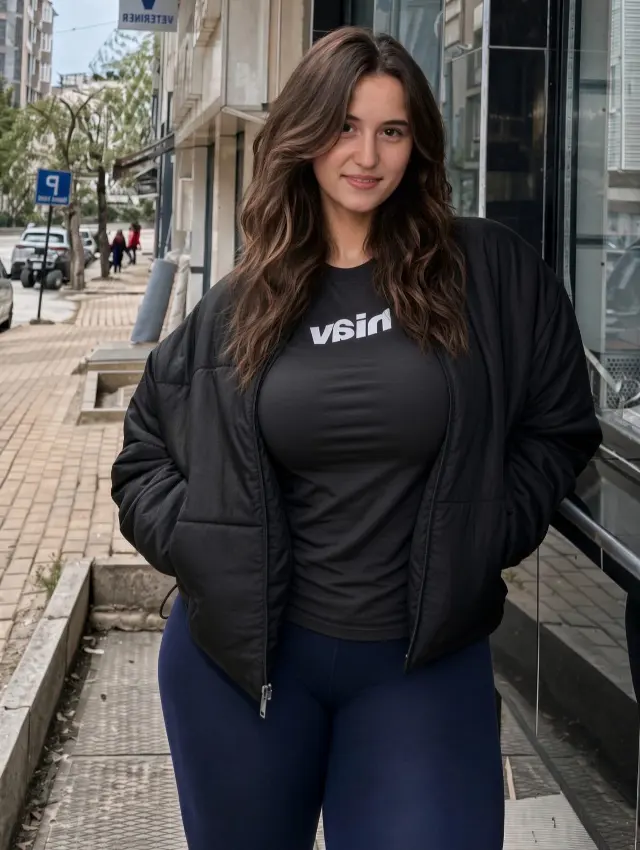
 Urban casual outfit combining comfort and everyday style
#Casual Look
2 ideas
Urban casual outfit combining comfort and everyday style
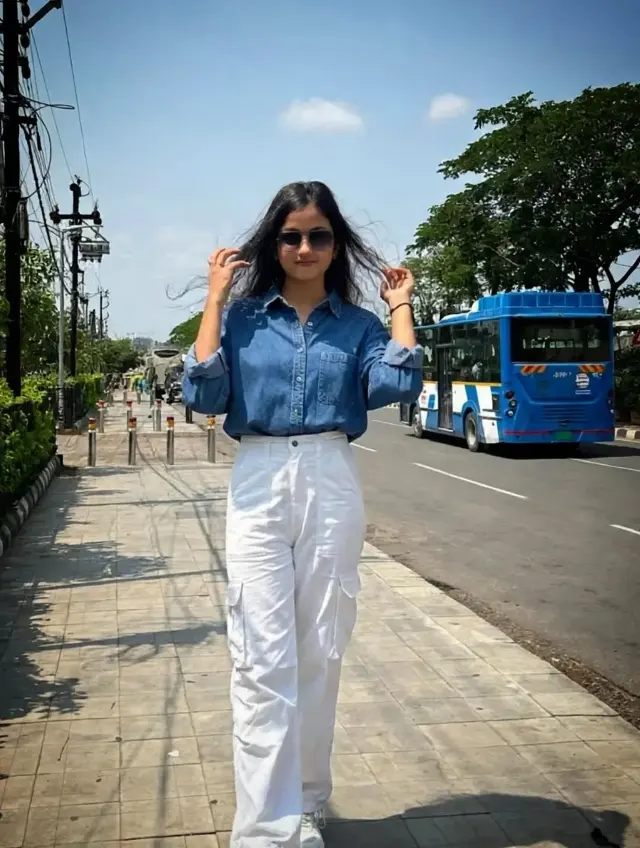 Unscripted street style aesthetic look
Get new #Casual Look ideas by email
Every Thursday: the week's best ideas, with the newest from #Casual Look.
Related tags
Casual Look: A Guide to Relaxed Everyday Style
The casual look is the style of clothes chosen for ease rather than occasion. It is what you reach for on an ordinary day: clothes that let you move, sit, walk and work without adjusting anything. Its defining quality is not a specific garment but a feeling — relaxed, unforced, comfortable enough to forget what you are wearing. Because of that, the casual look is less a uniform than a wide family of styles that share the same starting point.
Where it comes from
Casual dress grew out of clothing once reserved for leisure and sport. Workwear, sportswear and holiday clothes gradually moved into everyday life over the twentieth century, as dress codes loosened and daily routines became less formal. Denim, knitwear, the T-shirt and the sneaker all began as practical or specialist garments and ended up as the backbone of ordinary dressing. Today the casual look is the default in most people's wardrobes, which is exactly why it takes a little thought to make it look deliberate.
The main kinds
Read more
Casual is an umbrella term, and most people move between several versions of it:
- Everyday casual: jeans or chinos with a simple top, knitwear or a shirt, and comfortable shoes.
- Sporty casual: tracksuits, sweatshirts, leggings and trainers, borrowed from athletic wear.
- Smart casual: casual pieces lifted by a tailored element, such as a blazer over a T-shirt or clean trousers instead of denim.
- Relaxed weekend or street style: looser shapes, layered pieces, and a mix of textures.
- Minimal casual: a small palette of plain, well-cut basics worn in simple combinations.
What beginners should know
The casual look works best when fit comes before fashion. A simple outfit that fits your shoulders, waist and length will read better than a complicated one that does not. Pay attention to the shoulder seam and the hem: those two lines decide whether a garment looks intentional or borrowed.
Fabric matters more than decoration. Natural materials and sturdy knits hold their shape and soften with wear, while thin, clingy fabrics tend to lose structure quickly. A heavier T-shirt or a denser sweatshirt often looks more polished than a fussier piece.
Build a small core you actually wear: a well-fitting pair of trousers, good jeans, a few plain tops, one knit, a light jacket and comfortable shoes you can walk in. From there, combinations come easily.
Practical tips
Keep proportions in mind. If a top is loose, balance it with a straighter bottom, and the reverse. This one habit does most of the work in casual dressing.
Choose a colour palette you can combine without thinking — neutrals with two or three colours you like — so that everything in the wardrobe works together.
Let one element carry the outfit: a textured knit, a distinctive shoe, a good bag. Several loud pieces at once tend to cancel each other out.
Finally, consider where you are going. Casual does not mean careless: clean shoes, an ironed hem and clothes that fit are what separate an easy outfit from a sloppy one. Wear what lets you forget yourself and enjoy the day.
#Casual Look: frequently asked questions
What exactly is the casual look?
It is the style you reach for on an ordinary day, chosen for ease of movement and comfort rather than for a particular occasion. Rather than one specific garment, it is a wide family of styles — everyday, sporty, smart casual, relaxed weekend and minimal — that all share the same relaxed, unforced starting point.
How do I start building a casual wardrobe?
Begin with a small core of pieces you genuinely wear: well-fitting trousers, good jeans, plain tops, a knit, a light jacket and comfortable shoes. From there, most outfits come together on their own without much planning. Focus on fit first — a simple outfit that sits well at the shoulders and hem always reads better than a complicated one that does not.
Which kind of casual style should I choose?
Look at what your days actually involve, then pick the version that suits them: sporty casual if you are active, smart casual if you need to look presentable without formality, and minimal casual if you prefer a small palette of plain pieces. Most people move between several versions of casual rather than committing to just one.
How do I keep a casual outfit from looking sloppy?
Fit and fabric do most of the work — pay attention to the shoulder seam and hem, and favour natural materials and sturdy knits that hold their shape. Balance proportions by pairing a loose top with a straighter bottom, and let a single element carry the outfit, such as a textured knit or a distinctive shoe. Clean shoes, a neat hem and clothes that fit are what separate an easy outfit from a careless one.
How should I care for casual clothes so they keep their shape?
Thin, clingy fabrics lose structure quickly, while denser knits and natural materials soften with wear and last longer, so treat them gently and follow the care label on each piece. Storing knits folded rather than hung, and airing clothes between wears, helps them keep their shape and look intentional.
What mistakes should beginners avoid?
The most common slip is chasing fashion before fit, or wearing several loud pieces at once so they cancel each other out. Another is treating casual as careless — neglecting ironing, shoe cleanliness or hem length undermines an otherwise easy outfit. Keep a colour palette you can combine without thinking, and choose pieces that let you forget what you are wearing.
Videos come from YouTube and posts from Instagram; titles and summaries are our own. All rights belong to their creators.