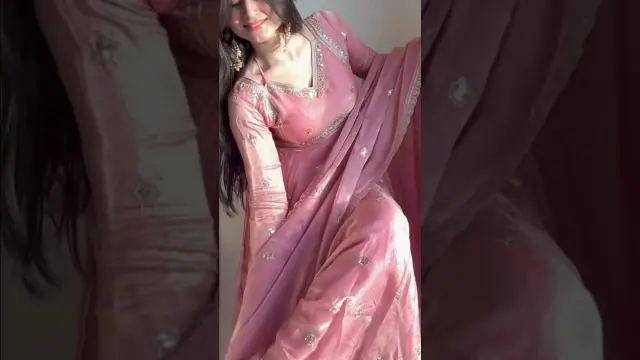
 Top Five Traditional Dresses and Ethnic Outfits for Special Occasions
#Indian Fashion
2 ideas
Top Five Traditional Dresses and Ethnic Outfits for Special Occasions
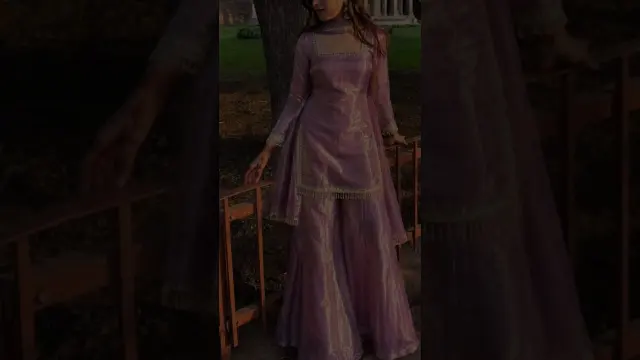 Five Traditional Indian Dress Ideas for Ethnic Looks
Get new #Indian Fashion ideas by email
Every Thursday: the week's best ideas, with the newest from #Indian Fashion.
Related tags
Indian Fashion Guide: Traditional and Modern Styles
What Indian fashion is
Indian fashion is a broad term for the clothing, textiles, and styling traditions of India. It includes regional dress customs, formal wear for celebrations, everyday garments, and modern clothing inspired by traditional forms. Because India has many languages, climates, and cultures, there is no single look that defines Indian fashion. Instead, it is a rich mix of silhouettes, fabrics, embroidery, draping, and ornamentation.
Traditional roots and common garments
Many familiar Indian outfits come from long-established ways of wearing cloth. Some are tailored, while others are draped. A sari is a long unstitched garment worn in different regional styles. A salwar kameez combines a tunic with trousers and is widely worn for comfort and ease. A lehenga is a long skirt often paired with a blouse and dupatta for festive occasions. Men’s traditional clothing may include a kurta, dhoti, sherwani, or other regional forms.
Read more
Different parts of India have their own textile traditions, motifs, and ways of dressing. Cotton, silk, wool, and blended fabrics are all used depending on climate and purpose. Handwork such as embroidery, block printing, weaving, mirror work, and beadwork often gives Indian clothing its distinctive character.
Main styles and occasions
Indian fashion ranges from simple everyday clothing to highly decorated ceremonial wear. For daily use, many people choose comfortable cotton kurtas, tunics, and sarees with minimal ornament. For celebrations, richer fabrics and more detailed embellishment are common. Weddings, religious festivals, and family gatherings often call for more formal outfits, but the level of dress depends on region, tradition, and personal taste.
Modern Indian fashion also blends traditional and contemporary elements. You may see classic silhouettes styled with simpler accessories, or Western shapes adapted with Indian textiles and embroidery. This makes Indian fashion especially flexible: it can be modest or elaborate, traditional or mixed, casual or formal.
What beginners should know
If you are new to Indian fashion, start with comfort and context. The right outfit depends on the weather, the event, and how much movement you need. Natural fabrics are often a good choice in warm climates, while layered outfits can help in cooler weather. If you wear a sari or dupatta for the first time, practice draping it slowly and securely before an event.
Fit matters, especially with stitched garments such as kurtas, blouses, and lehengas. A well-fitted outfit usually looks more polished than one with too much embellishment. Keep accessories balanced: if the clothing is detailed, simple jewelry and shoes often work best.
Styling tips to keep in mind
- Choose fabrics that suit the season and the occasion.
- Let one part of the outfit stand out, such as the textile, embroidery, or color.
- Use accessories to complete the look, not overpower it.
- Pay attention to drape, length, and comfort so you can move easily.
- For a timeless feel, simple silhouettes and good tailoring are often more useful than excess decoration.
Indian fashion is at its best when it feels personal, respectful of its roots, and comfortable to wear. Whether you prefer classic traditional dress or a modern mix, the key is to choose pieces that suit your body, your setting, and your own sense of style.
Videos come from YouTube and posts from Instagram; titles and summaries are our own. All rights belong to their creators.