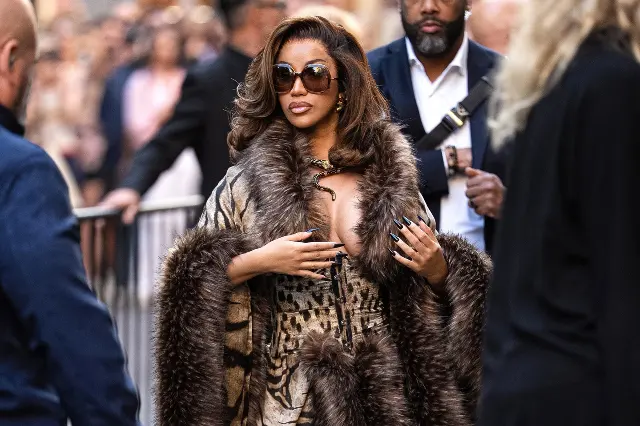
 Milan Fashion Week SS27 runway looks and celebrity front-row guests
#Celebrity Fashion
2 ideas
Milan Fashion Week SS27 runway looks and celebrity front-row guests
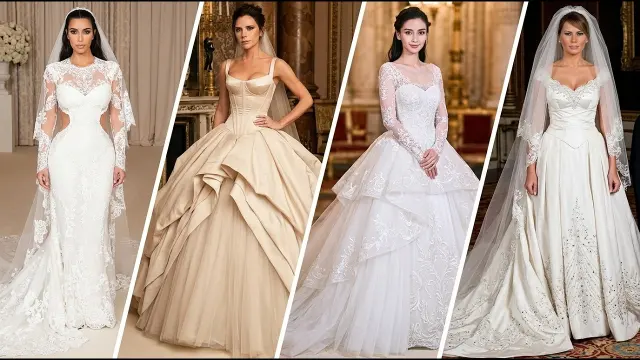 Exploring Thirty Expensive Celebrity Wedding Dresses With Mixed Reviews
Get new #Celebrity Fashion ideas by email
Every Thursday: the week's best ideas, with the newest from #Celebrity Fashion.
Related tags
Celebrity Fashion: An Evergreen Guide to Star Style
Celebrity fashion is the meeting point between clothing and public attention. It covers what well-known performers, actors, athletes and public figures wear in front of an audience — and the machinery of stylists, tailors, publicists and photographers that puts it there. It is not a single style but a system, and understanding the system makes star style far more interesting to look at.
Where it comes from
The idea that a famous person's clothes are worth watching grew with the film industry of the early twentieth century, when studios understood that an actor's off-screen wardrobe helped sell an on-screen image. The red carpet, originally a simple courtesy at premieres and award ceremonies, became a stage of its own. In the decades since, fashion houses learned that a single photograph seen around the world could do more than a season of advertising, and the relationship between fame and clothing became a genuine trade: visibility in exchange for clothes, and often payment on top.
Who does the work
Read more
Almost nothing you see is improvised. A stylist builds the look, a tailor adjusts it to the body on the day, and hair and make-up finish it. Behind them sit publicists and brand partnerships deciding what an appearance should communicate — seriousness, playfulness, a new chapter, a nomination. A red carpet outfit is a coordinated message, arriving hours after it was fitted.
The main kinds of celebrity fashion
- Red carpet and ceremony dressing: the formal end of the spectrum, usually borrowed, often made to measure, and chosen for how it photographs.
- Street style: deliberately ordinary clothing, photographed on the way to coffee or rehearsal. Its casualness is usually carefully arranged.
- Press and promotion: between the two, worn during interviews and premieres, where clothing often echoes the mood of a film, album or project.
- Wedding and milestone dressing: personal occasions turned public, where the clothes carry the extra weight of a life event.
- Endorsement and campaign work: looks created as part of a paid partnership, closer to advertising than to private taste.
What beginners should notice
Follow the silhouette rather than the label. Ask how a garment sits at the shoulder, where the hem falls, how the fabric moves — this is what you can actually learn from and adapt. Look at older photographs of the same person: a strong sense of style usually repeats a shape or a colour rather than chasing novelty.
Be sceptical of "best dressed" framing. Photographs are chosen, lit and cropped, and perfectly ordinary bodies are edited into impossible ones. Treat what you see as a designed image, not a standard to measure yourself against.
Practical tips
If a look appeals to you, describe it in plain words — a narrow trouser, a wide shoulder, a monochrome palette — and look for that description rather than the exact item. Borrow proportions, not price points. Rent or buy secondhand for occasional formal events. And remember that celebrity fashion is at its best when it gives you an idea, not a shopping list.TITLE: Celebrity Fashion: An Evergreen Guide to Star Style
DESCRIPTION: A guide to celebrity fashion: where star style comes from, how a look is put together, the main kinds, and what to notice when you follow it.
TEXT:
Celebrity fashion is the meeting point between clothing and public attention. It covers what well-known performers, actors, athletes and public figures wear in front of an audience — and the machinery of stylists, tailors, publicists and photographers that puts it there. It is not a single style but a system, and understanding the system makes star style far more interesting to look at.
Where it comes from
The idea that a famous person's clothes are worth watching grew alongside the film industry of the early twentieth century, when studios understood that an actor's image off screen helped sell the one on screen. The red carpet, once a simple courtesy at premieres and ceremonies, became a stage in its own right. Over the following decades fashion houses learned that a single photograph seen around the world could do more than a season of advertising, and the relationship between fame and clothing turned into a real trade: visibility in exchange for clothes, and often payment on top.
Who does the work
Almost nothing you see is improvised. A stylist builds the look, a tailor adjusts it to the body on the day, and hair and make-up finish it. Behind them sit publicists and brand partnerships deciding what an appearance should say — seriousness, playfulness, a new chapter, a nomination. A red carpet outfit is a coordinated message, delivered hours after its final fitting.
The main kinds of celebrity fashion
- Red carpet and ceremony dressing: the formal end of the spectrum, usually borrowed or made to measure, and chosen above all for how it photographs.
- Street style: deliberately ordinary clothing, photographed on the way to coffee or rehearsal. Its casualness is usually carefully arranged.
- Press and promotion: the middle ground of interviews, premieres and festivals, where clothing often echoes the mood of a film, album or project.
- Wedding and milestone dressing: private occasions turned public, where the clothes carry the extra weight of a life event.
- Endorsement and campaign work: looks created for a paid partnership, closer to advertising than to personal taste.
What beginners should notice
Follow the silhouette rather than the label. Ask how a garment sits at the shoulder, where the hem falls, how the fabric moves — that is what you can actually learn from and adapt. Look at older photographs of the same person: a strong sense of style usually repeats a shape or a colour rather than chasing novelty.
Be sceptical of "best dressed" framing. Photographs are chosen, lit, cropped and retouched, and perfectly ordinary bodies are edited into impossible ones. Treat what you see as a designed image, not a standard to hold yourself to.
Practical tips
If a look appeals to you, describe it in plain words — a narrow trouser, a wide shoulder, a monochrome palette — and search for that description rather than the exact item. Borrow proportions, not price points. Consider renting or buying secondhand for occasional formal events. And remember that celebrity fashion is at its best when it hands you an idea rather than a shopping list.
#Celebrity Fashion: frequently asked questions
How do I start following celebrity fashion without feeling like I need to buy anything?
Start by looking rather than shopping: pick a few public figures whose clothes you genuinely enjoy and follow what they wear across appearances, not just on formal occasions. Describe what you like in plain words — a narrow trouser, a wide shoulder, a muted palette — and notice how often the same shape reappears. The goal is to train your eye on proportion and fabric, which is free and transfers to whatever you already own.
What actually goes into putting a celebrity look together?
Almost none of it is improvised. A stylist builds the look, a tailor adjusts it to the body shortly before the event, and hair and make-up finish it, all shaped by publicists and brand partnerships deciding what the appearance should communicate. Seeing it as a coordinated team effort makes the result easier to read and less mysterious.
Which kind of celebrity fashion is most useful to learn from?
Street style and press dressing tend to be the most adaptable, because they are built from ordinary garments worn in everyday situations rather than formalwear made for a single night. Red carpet dressing is worth studying for silhouette and photography, but its borrowed, made-to-measure nature makes it hard to translate. Pick the category closest to the occasions you actually dress for.
How do I adapt a star look for an occasion like a wedding or a formal event?
Borrow the proportions and the mood, not the exact garment or the price tag: note where the hem falls, how the shoulder sits and how the fabric moves, then search for that description. For one-off formal events, renting or buying secondhand is a sensible way to get the shape without the outlay. Keep your own comfort and the dress code of the occasion ahead of copying the image.
What are the common mistakes people make with celebrity fashion?
The biggest one is chasing the exact item instead of the idea, which usually costs a lot and suits you less than the original. Another is treating edited, lit and cropped photographs as a standard for real bodies, or taking "best dressed" lists as objective judgement. Remember that what you are looking at is a designed image, not a measure of yourself.
Do celebrity looks hold up over time, or is it all novelty?
Look at older photographs of the same person and you will usually find a shape or a colour repeating rather than constant reinvention. That consistency is what makes a style recognisable, and it is the part worth learning from. Following the silhouette across years teaches you more than following each new outfit.
Videos come from YouTube and posts from Instagram; titles and summaries are our own. All rights belong to their creators.