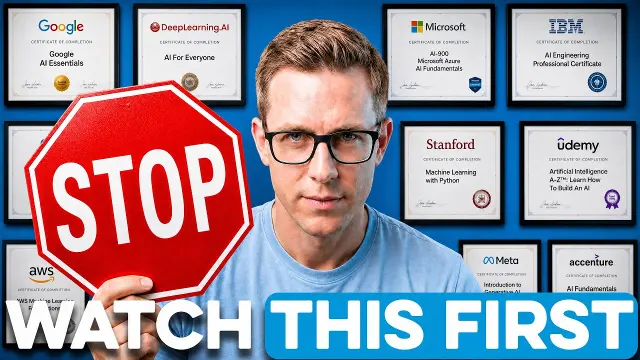
 Evaluating Major AI Certifications Before Purchasing
#Certification
15 ideas
Evaluating Major AI Certifications Before Purchasing
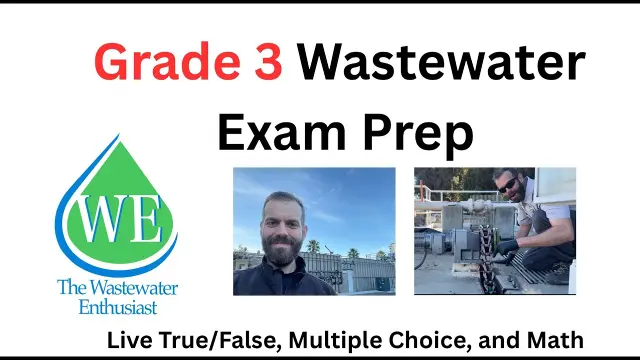 Wastewater Treatment Operator Certification Practice Questions
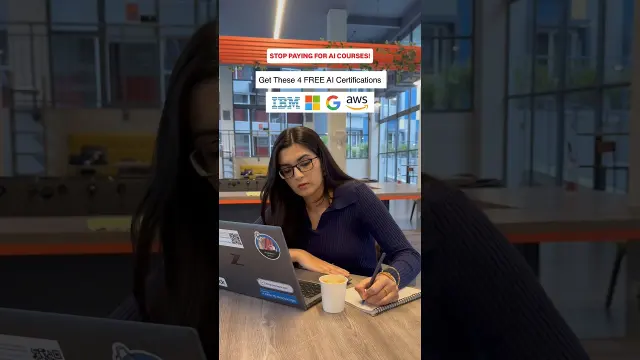 Free Artificial Intelligence Certifications and Badges
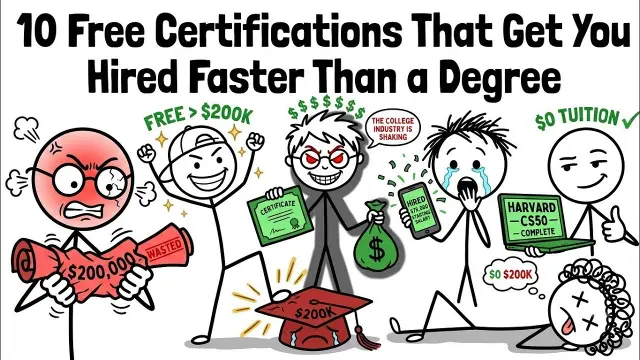 Ten Free Certifications to Help You Get Hired Faster
 Five AI Certifications With High Value in 2026
 Valuable Free Certifications Across Different Industries
 Top 6 AI Certifications That Can Make You Rich in 2026
 Seven Online Certifications That Deliver Real Career Value
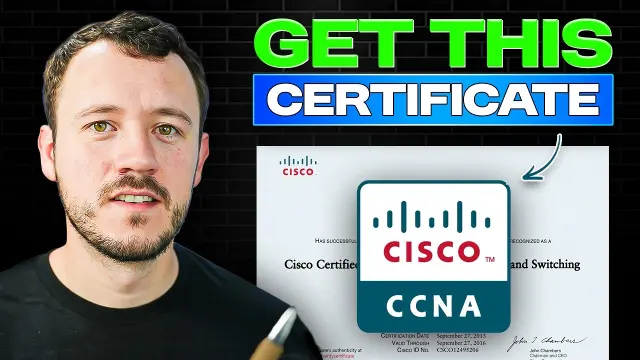 Top IT Certification Recommendations and Resources for 2026
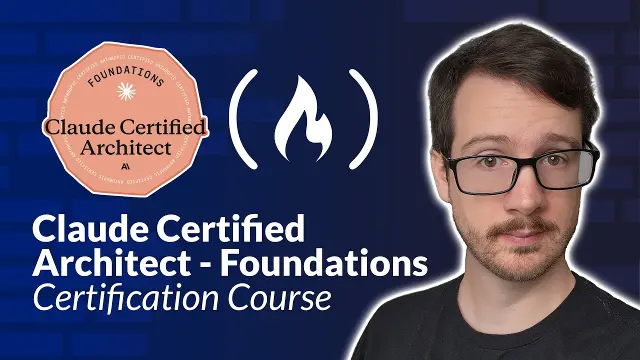 Preparation Guide for the Claude Certified Architect Foundation Exam
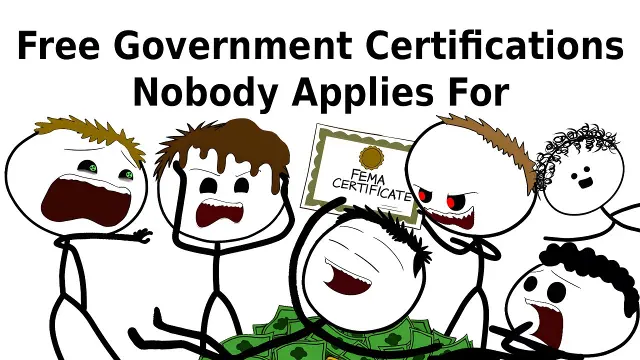 Overview of Lesser-Known Free Government Certifications
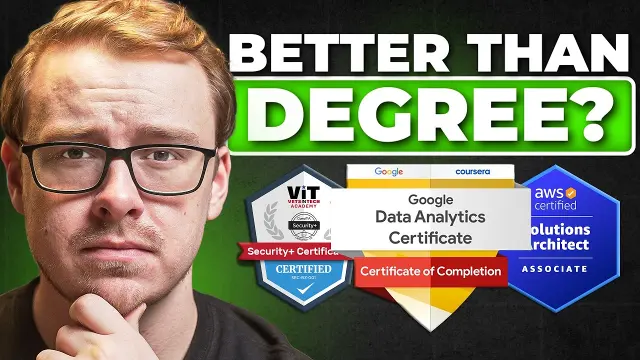 Top 5 Professional Certifications Worth More Than a Traditional Degree
 Comparison of Free Artificial Intelligence Courses with Certificates
 Top Data Analyst Certifications for 2026 Career Growth
 Five Artificial Intelligence Certifications That Matter in 2026
Get new #Certification ideas by email
Every Thursday: the week's best ideas, with the newest from #Certification.
Related tags
Certification: What It Means and How It Works
Certification is a formal way of showing that you have met a set standard in a skill, trade, profession, or specialty. It is usually awarded by an organisation, association, training body, or other recognised authority after you complete certain requirements. Those requirements might include study, practical experience, an exam, or a combination of all three.
What certification is for
People seek certification for many reasons. It can help prove competence, support career development, meet workplace or legal requirements, or give extra confidence to clients and employers. In some fields, certification is mainly optional; in others, it may be expected before you can work in a specific role or handle certain responsibilities.
A certification is not always the same as a qualification or a licence. A qualification often shows that you have completed a course of study. A licence usually gives legal permission to practise in a regulated area. Certification sits somewhere in between: it often confirms that you have reached a recognised standard, even if it does not replace formal education or a licence.
Read more
Common kinds of certification
Certification exists in many areas of life and work. You may see it in healthcare, education, trades, technology, business, fitness, food safety, and other practical fields. Some certifications are broad and introductory, while others are highly specialised and intended for experienced people.
Some are one-time credentials. Others need renewal after a certain period. Renewal may involve refresher training, continuing education, or another assessment. This helps keep knowledge current and encourages good practice over time.
What to look for before you start
If you are considering a certification, first check what it is meant to prove. Look at the entry requirements, the assessment method, how long the credential is valid, and whether it is recognised in your field or region. It is also worth checking whether you need prior study or work experience before applying.
Ask yourself:
- Is the certification required, helpful, or mainly optional for your goal?
- Does it suit your current level, or is it aimed at more advanced learners?
- Will you need to renew it regularly?
- Does it match the kind of work you want to do?
How to prepare well
Good preparation usually begins with understanding the syllabus or competency list. Break the material into smaller sections and review it steadily rather than cramming. If the certification includes a practical part, practise the core tasks until they feel familiar and routine.
A few simple habits can help:
- Read the official requirements carefully
- Make a realistic study plan
- Use practice questions if they are available
- Review weak areas more than strong ones
- Get enough rest before the assessment
A final practical tip
Certification is most useful when it reflects real skill, not just memorised facts. Try to connect what you learn with everyday practice. That makes the knowledge easier to remember and more valuable in real situations.
Videos come from YouTube and posts from Instagram; titles and summaries are our own. All rights belong to their creators.