 CompTIA A+ 220-1202 Full Course for Exam Preparation
#IT Certification
6 ideas
CompTIA A+ 220-1202 Full Course for Exam Preparation
 The Only IT Certifications Worth Getting Based on Real Jobs
 Free CompTIA A+ 220-1101 Practice Exam Questions
 100 CompTIA A+ Core 2 Practice Questions for Exam 220-1202
 CompTIA A+ Core Two Last Minute Exam Study Guide
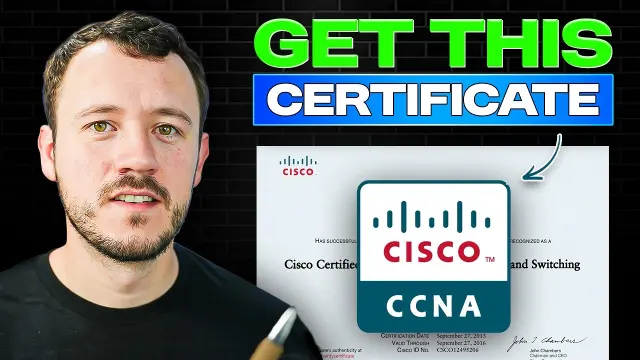 Top IT Certification Recommendations and Resources for 2026
Get new #IT Certification ideas by email
Every Thursday: the week's best ideas, with the newest from #IT Certification.
Related tags
IT Certification Guide for Beginners
What IT certifications are
IT certifications are formal credentials that show you have learned a defined set of skills in information technology. They usually cover areas such as computer hardware, operating systems, networks, cloud services, cybersecurity, databases, or support work. Most certifications are awarded after you pass an exam, and some also require hands-on experience or renewal after a certain period.
People pursue IT certifications for many reasons. They can help you start a career in tech, move into a more specialized role, prove skills to employers, or keep your knowledge current in a fast-changing field. They are especially useful when you want a clear, recognized way to show what you can do.
Common types of certifications
Read more
IT certifications are often grouped by level and subject.
- Entry-level certifications are a good starting point if you are new to IT. They usually focus on basic concepts, common tools, and everyday troubleshooting.
- Associate or intermediate certifications go deeper and often assume you already understand the basics.
- Advanced certifications are designed for experienced professionals and may focus on design, architecture, security, or management.
- Specialist certifications focus on a narrow area, such as networking, cloud platforms, cybersecurity, or support systems.
You will also see certifications that are vendor-neutral and certifications tied to a specific technology or platform. Vendor-neutral certifications test general knowledge that applies across many environments. Vendor-specific certifications are built around one ecosystem and are useful if you plan to work with that system often.
How to choose the right one
The best certification for you depends on your current level, your career goals, and the kind of work you want to do. If you are just getting started, it helps to begin with a broad foundation before choosing a specialty. If you already work in IT, you may want a certification that matches your daily tasks or supports a promotion.
A useful way to decide is to ask yourself:
- Do I need broad fundamentals or deeper specialization?
- Is this certification relevant to the jobs I want?
- Do I have the background needed for this exam?
- Will this help me build practical skills, not just memorize terms?
How to prepare well
Good preparation is usually a mix of studying theory and practicing real tasks. Read the exam objectives carefully so you know exactly what is covered. Then break the material into smaller parts and review one topic at a time. Practice questions can help you get used to the format, but they work best when you also understand why each answer is correct.
If the certification includes hands-on skills, try to practice in a lab, simulation, or real work environment. That helps you remember concepts more naturally and prepares you for troubleshooting questions.
Practical tips for beginners
- Start with the fundamentals before moving to advanced topics.
- Use one main study guide and one or two supporting resources so you do not spread yourself too thin.
- Make simple notes in your own words.
- Review weak areas more often than strong ones.
- Give yourself enough time to study steadily instead of cramming.
- Focus on understanding how systems work together, not just memorizing facts.
What to expect after earning one
A certification does not replace experience, but it can support your next step. It may help you qualify for interviews, strengthen your resume, or give you more confidence when learning on the job. Over time, many people build a path by starting with one broad certification and then adding more focused ones as their career grows.
If you treat certifications as part of ongoing learning, they can become a practical and lasting part of your IT journey.
Videos come from YouTube and posts from Instagram; titles and summaries are our own. All rights belong to their creators.