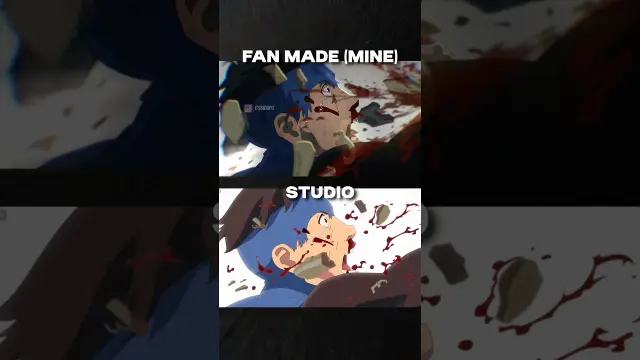
 Re-Animating a Scene from Invincible in Clip Studio Paint
#Character Animation
2 ideas
Re-Animating a Scene from Invincible in Clip Studio Paint
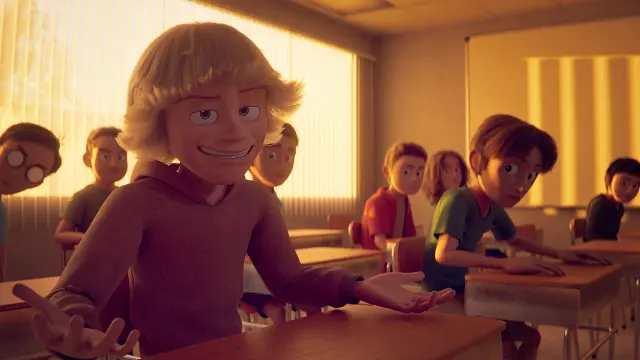 'Class Clown' — A Blender 3D Animation Short
Get new #Character Animation ideas by email
Every Thursday: the week's best ideas, with the newest from #Character Animation.
Related tags
Character Animation: A Guide to Making Figures Move
Character animation is the craft of giving movement to a drawn, modelled or physical figure so that it appears to think, feel and act. It is distinct from animating objects or abstract shapes: the aim is performance. A bouncing ball needs weight; a character needs intention. The animator is less a technician moving parts than an actor working through a pencil, a rig or a puppet.
Where it comes from
Moving images of figures appeared alongside cinema itself, first as short experiments and then as studio cartoons built on thousands of drawings. In the 1930s, animators at the large American studios codified what are still called the principles of animation — squash and stretch, anticipation, staging, follow-through, overlapping action, ease in and ease out, arcs, exaggeration, solid drawing and appeal. These were practical notes on how to make drawings read clearly and feel alive, and they remain the vocabulary of the field today, applied equally to a pencil test and a game engine.
The main techniques
Read more
Hand-drawn animation is created frame by frame, either on paper or in software, with each drawing slightly different from the last. It gives the most direct control over line and expression, and remains the most labour-intensive.
Rigged 2D animation uses cut-out parts, or software that deforms a single drawing, bound to a skeleton of controls. It is faster and suits series and web work.
3D computer animation builds a character as a digital model with a skeleton inside it, then poses that skeleton. It allows camera movement and lighting that would be impossible to draw, and is the dominant form in feature films and games.
Stop motion animates physical puppets, clay or paper one frame at a time. Its slight imperfections are part of its charm.
Motion capture records a performer's movement and transfers it to a character, often as a base that animators then refine by hand.
What beginners should know
Start with exercises rather than characters. A bouncing ball, a pendulum, a sack of flour lifting itself, a simple walk cycle — each teaches timing and weight without the complication of a face. Learn to think in frames per second: how many drawings it takes to make a movement feel fast, slow, heavy or light.
Draw from life. Sketch people sitting on benches, carrying bags, waiting for buses. Animation is observation stored up and spent later.
Practical tips
Plan before you animate. A few rough thumbnails of key poses will save hours of reworking.
Block the extremes first, then the breakdowns, then the in-betweens. Working straight ahead is exciting but harder to control.
Check your work in silhouette. If the pose does not read as a black shape, it is not clear enough.
Keep a mirror nearby, or film yourself. Your own body is the fastest reference available.
Finish small things. A ten-second scene completed teaches more than an ambitious project abandoned.
Above all, be patient with yourself. Movement that looks effortless is almost always the result of many unglamorous passes, and every animator you admire has thrown away far more frames than they kept.
#Character Animation: frequently asked questions
How do I start learning character animation?
Begin with simple exercises rather than characters: a bouncing ball, a pendulum, a sack lifting itself, or a basic walk cycle. These teach timing and weight without the complication of a face or dialogue. Draw from life as well — sketch people waiting, carrying bags, sitting on benches — because animation is observation stored up and spent later.
What do I actually need to begin?
Less than most people expect: something to draw with, or a computer with animation software, plus a mirror or a camera to film yourself as reference. Patience and the habit of finishing short scenes matter far more than equipment. A completed brief scene teaches you more than an ambitious project you abandon.
Which kind of character animation should I choose?
It depends on the result you want and the time you have. Hand-drawn work gives the most direct control over line and expression but is the most labour-intensive, rigged 2D is quicker and suits series work, 3D opens up camera movement and lighting, and stop motion trades technical polish for physical charm. Motion capture is another route, usually treated as a base that an animator then refines by hand.
What are the most common beginner mistakes?
Jumping straight into a full character before mastering timing and weight, and animating without planning the key poses first. Another frequent problem is poses that look fine in detail but collapse in silhouette. Blocking the extremes before the in-betweens, and checking your work as a solid black shape, catches most of this early.
How do I make movement feel believable?
Think in terms of frame rate — how many drawings it takes to make a movement read as fast, slow, heavy or light. Use the classic principles, especially anticipation, squash and stretch, and follow-through, so the character seems to intend an action rather than simply move. Your own body, filmed or watched in a mirror, is the fastest reference available.
Do I need to be a good artist to animate characters?
Solid drawing helps, but performance matters more than rendering skill — the aim is to make a figure appear to think and feel. Clear, exaggerated poses and good timing carry an audience further than detailed artwork. Many animators work with simple shapes or puppets and still create convincing acting.
Videos come from YouTube and posts from Instagram; titles and summaries are our own. All rights belong to their creators.