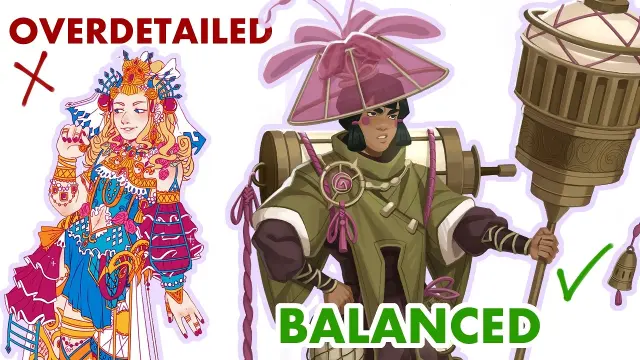
 Three Essential Tips for Improving Character Designs
#Character Design
7 ideas
Three Essential Tips for Improving Character Designs
Get new #Character Design ideas by email
Every Thursday: the week's best ideas, with the newest from #Character Design.
Related tags
Character Design: Creating Memorable Characters
What character design is
Character design is the process of shaping a fictional person or creature so they are instantly understandable and visually memorable. It is used in illustration, animation, comics, games, branding, and storytelling of all kinds. A strong design does more than look appealing: it helps tell you who the character is, what role they play, and how they move through their world.
At its core, character design combines drawing skill with visual storytelling. Shape, silhouette, posture, clothing, facial expression, and small details all work together to communicate personality, age, mood, background, and function. A character should feel connected to the story they belong to, not just look decorative.
Main approaches and styles
Read more
Character design can be realistic, stylized, simplified, exaggerated, or highly symbolic. Realistic designs often focus on believable proportions, anatomy, and materials. Stylized designs may simplify features to create a clearer or more expressive look. Exaggerated design uses strong shapes, unusual proportions, or striking contrasts to emphasize personality.
You can also think about design by purpose. Some characters need to be easy to animate, so their shapes stay clean and readable. Others need to communicate a specific mood or genre, such as fantasy, comedy, or drama. In every case, clarity matters. If a viewer can understand the character quickly, the design is doing its job well.
Building a strong design
A good place to start is with the character’s role in the story. Ask yourself who this character is, what they want, and how they differ from the others around them. Then turn those ideas into visual choices. A cautious character might have closed, compact shapes. A confident one might stand tall with open forms. A practical character may wear simple, functional clothing, while a more expressive one might have stronger contrasts or more unusual details.
Silhouette is especially important. If the outline is clear and distinctive, the character remains recognizable even in small sizes or at a glance. Shape language also helps: round shapes can feel soft or friendly, angular shapes sharper or more intense, and straight shapes steady or controlled.
Practical tips for beginners
- Start with simple shapes before adding detail.
- Make sure the silhouette is easy to read.
- Use clothing, accessories, and posture to support personality.
- Avoid adding details that do not serve the character.
- Compare your design to others in the same story so each one feels distinct.
- Test your character in different poses and expressions to see if the design still works.
It also helps to explore several versions before settling on one. Early sketches let you discover what feels right without becoming attached too soon. A strong character often comes from revision, not from the first idea alone.
A useful habit to develop
When you design a character, think of every choice as part of the storytelling. Even small decisions, like the shape of a collar or the way someone stands, can add meaning. The best character designs are not only attractive; they are clear, consistent, and full of personality.
Videos come from YouTube and posts from Instagram; titles and summaries are our own. All rights belong to their creators.