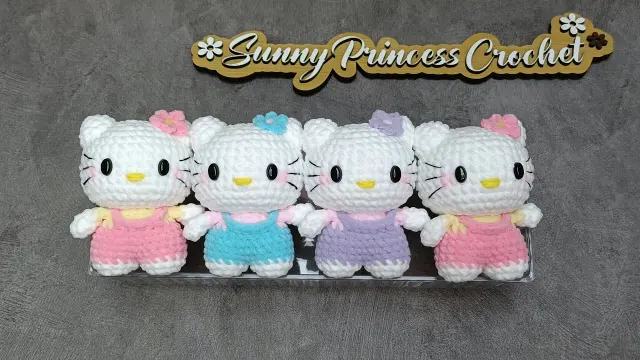
 Step-by-Step Amigurumi Tutorial for a Mini Hello Kitty Keychain
#Chenille Yarn
2 ideas
Step-by-Step Amigurumi Tutorial for a Mini Hello Kitty Keychain
Get new #Chenille Yarn ideas by email
Every Thursday: the week's best ideas, with the newest from #Chenille Yarn.
Related tags
Chenille Yarn: A Guide to Soft, Plush Yarn for Cosy Projects
Chenille yarn is the fibre that gives a project its softness before you have even finished it. The word comes from the French for caterpillar — *chenille* — a nod to the fuzzy, velvety body of the yarn, and the name has been used in textiles for centuries. Unlike a spun yarn, where fibres are twisted together into a single strand, chenille is built around a core: short lengths of pile are gripped between twisted threads and then cut, so the surface stands up in a dense, soft nap. That structure is why chenille feels closer to fabric than to wool, and why it behaves so differently in the hand.
Where chenille comes from
The technique of weaving a cut pile between twisted cores is old, and chenille thread has long appeared in upholstery, trims, rugs and bedspreads. Modern craft chenille — often sold as velvet yarn, plush yarn or blanket yarn — carries the same idea into knitting and crochet, usually on a synthetic base with a generous pile.
What it's good for
Read more
Chenille is at its best where softness and bulk matter more than stitch definition. Blankets, throws, cushions, hot-water-bottle covers, winter hats, scarves and children's items all suit it. It has become a particular favourite for amigurumi and stuffed toys, because the pile hides small irregularities and gives a finished piece a plush, almost shop-bought look. The same quality is a drawback elsewhere: lace patterns, delicate cables and fine colourwork disappear into the fluff.
Styles and weights
Chenille is sold in a wide range of thicknesses, from fine yarns for garments up to very chunky blanket weights that work up quickly on large needles or hooks. Some are smooth and dense; others are longer-piled and looser. Colour ranges tend to be strong and saturated, though the pile softens even bright shades. Blends with cotton or wool exist alongside all-synthetic versions, and each behaves a little differently, so swatching matters more than usual.
What beginners should know
The single most common difficulty is seeing your stitches. Work in good light, feel for the stitches with your fingers as much as looking for them, and place a stitch marker in the first and last stitch of every row until you can find your place reliably.
Choose a hook or needle a size or two larger than the yarn label suggests if you want a softer drape, and slightly smaller if you need a firm fabric for a toy that will be stuffed. Keep your tension even rather than tight — chenille can snap if pulled hard, and the pile sheds a little as you work, so keep a lint roller nearby.
Be cautious with undoing work. Chenille does not unravel gracefully; the pile tangles into itself and repeated frogging can thin the yarn. Count carefully and accept small imperfections.
For washing, follow the yarn label and treat finished pieces gently — cool water, mild detergent, no vigorous agitation, and dry flat. Because the pile can flatten or mat with heat, keep irons and tumble dryers away unless the label says otherwise.
Worked with a little patience, chenille rewards you with projects that feel as good as they look.
#Chenille Yarn: frequently asked questions
What is chenille yarn and why does it feel so different from ordinary yarn?
Chenille is built around a core rather than spun from twisted strands: short lengths of pile are gripped between twisted threads and then cut, so the surface stands up in a dense, velvety nap. The name comes from the French word for caterpillar, a nod to that fuzzy body. It is this structure that makes chenille feel closer to fabric than to wool and gives it such a soft, plush hand.
What kinds of projects is chenille yarn best suited to?
It shines wherever softness and bulk matter more than stitch definition, so blankets, throws, cushions, scarves, hats, hot-water-bottle covers and children's items are all natural fits. It has also become a favourite for amigurumi and stuffed toys, because the pile hides small irregularities and gives the finished piece a plush, almost shop-bought look. Lace, delicate cables and fine colourwork are better worked in something smoother, since those details vanish into the fluff.
How do I pick the right chenille yarn for my project?
Chenille comes in a wide spread of thicknesses, from fine yarns suitable for garments up to very chunky blanket weights that work up quickly on large needles or hooks, and some versions are smooth and dense while others are longer-piled and looser. Blends with cotton or wool behave differently from all-synthetic versions, so swatching matters more than usual here. Decide first whether you want drape or firmness, then let the swatch tell you which yarn and hook or needle give you that.
As a beginner, how do I actually start working with chenille yarn?
The hardest part is simply seeing your stitches, so work in good light and feel for them with your fingers as much as you look for them, marking the first and last stitch of each row until you can find your place reliably. Aim for even tension rather than tight, since chenille can snap when pulled hard, and keep a lint roller nearby because the pile sheds a little as you go. Choose a larger hook or needle than the label suggests for a softer drape, or a smaller one for the firm fabric a stuffed toy needs.
What are the common mistakes people make with chenille yarn?
Undoing work is the big one: chenille does not unravel gracefully, because the pile tangles into itself and repeated frogging thins the yarn, so count carefully and accept small imperfections instead of ripping back. Pulling too hard is another, since the yarn can break under tension, and expecting crisp stitch definition from a fuzzy fibre only leads to frustration. Treating finished pieces roughly in the wash is a third, as vigorous agitation and heat can flatten or mat the pile.
How should I wash and care for a finished chenille piece?
Follow the yarn label first, then treat the finished item gently: cool water, mild detergent, no vigorous agitation, and dry it flat. Because the pile can flatten or mat with heat, keep irons and tumble dryers away unless the label says otherwise. Stored and washed with a little care, the nap stays soft and the piece keeps the look it had when you finished it.
Videos come from YouTube and posts from Instagram; titles and summaries are our own. All rights belong to their creators.