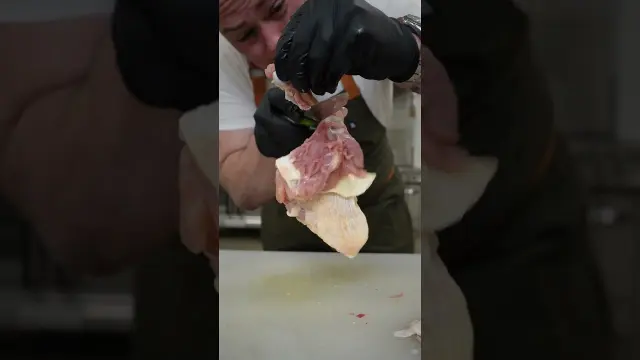
 Butcher's Method for Deboning a Chicken Thigh
#Chicken Thigh
3 ideas
Butcher's Method for Deboning a Chicken Thigh
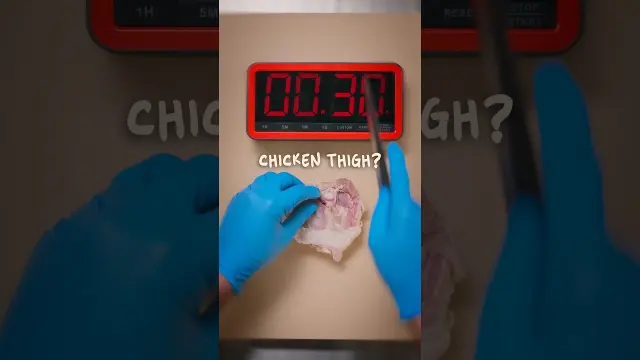 Deboning a Chicken Thigh Fast, Start to Finish
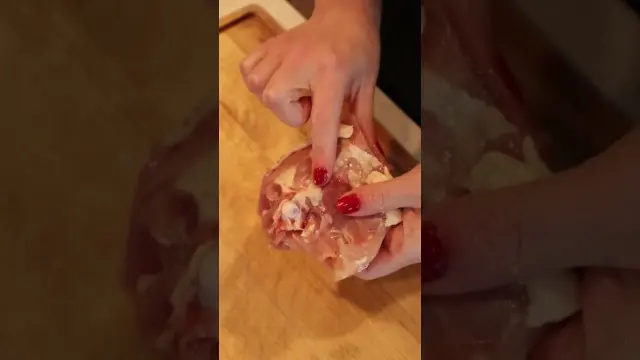 Skinning and Boning Chicken Thighs the Easy Way
Get new #Chicken Thigh ideas by email
Every Thursday: the week's best ideas, with the newest from #Chicken Thigh.
Related tags
Chicken Thigh: A Complete Guide to Cooking and Preparing It
The chicken thigh is the cut taken from the upper part of the bird's leg, between the hip and the knee joint. Unlike the breast, it belongs to what cooks call dark meat: the leg muscles do more work than the breast, so the flesh is richer in fat and connective tissue, darker in colour and far more forgiving on the heat. That is the single most useful thing to understand about it. A thigh can be cooked past the point where a breast would dry out and still stay juicy.
The main types
You will find thighs sold in a few different forms, and knowing which one you have in front of you changes how you cook it.
- Bone-in, skin-on: the whole cut as it comes off the bird. The bone insulates the meat and the skin protects it and crisps, so this version is the most flavourful and the hardest to ruin.
- Bone-in, skinless: common in stews and braises, where the skin would only turn soft.
- Boneless, skin-on: the bone removed but the skin left on, good for roasting flat and for dishes where you want crisp skin and even cooking.
- Boneless, skinless: the most versatile and the fastest to cook, though also the easiest to overcook.
Read more
Deboning a thigh
Removing the bone yourself is a skill worth learning, because boneless thighs are often more expensive than bone-in ones and the bones are useful for stock.
Lay the thigh skin-side down on a board. You will feel one long bone running through the middle. Run the tip of a small knife along the bone on both sides, scraping rather than sawing, until you can lift the meat away. Work close to the bone so you keep as much flesh as possible, and use your fingers to feel your way where the knife cannot see. Cut the bone free at the joint ends, then trim away any small fragments of cartilage or shattered bone. A sharp, small knife and a steady, unhurried hand matter more than speed. Once you have done a few, the shape of the joint becomes familiar and the whole thing takes a minute.
Cooking it well
Thighs reward high heat and time. For crisp skin, start them skin-side down in a dry or lightly oiled pan over moderate heat and let them sit undisturbed until the fat renders and the skin releases itself from the surface. For braises and curries, brown them first, then simmer gently in liquid until the meat pulls apart easily. Marinating helps, especially with acid, salt and aromatics, but a simple seasoning of salt and pepper applied ahead of time does most of the work.
Because thigh meat is uneven in thickness and sits close to the bone, colour is not a dependable guide to whether it is safely cooked. Use an instant-read thermometer: insert it into the thickest part of the meat without touching bone, and take the thigh off the heat when it reaches 74°C (165°F). Let it rest a few minutes before serving.
For beginners
Buy bone-in, skin-on thighs to start with, season them generously, and cook them gently enough that the outside does not scorch before the centre is done. Do not crowd the pan, and do not be afraid of a little char on the skin. Thighs are cheap, tolerant and deeply savoury, which makes them one of the kindest cuts to learn on.
#Chicken Thigh: frequently asked questions
How should I start cooking chicken thighs if I’m new to them?
Begin with bone-in, skin-on thighs, because they are the most forgiving and easiest to get right. Season them well, cook them without crowding the pan, and let the skin cook undisturbed so it can turn crisp.
What kind of chicken thigh is best for different recipes?
Bone-in, skin-on thighs are great for roasting and pan cooking because they stay juicy and develop the most flavor. Boneless, skinless thighs work well when you want quick cooking, while bone-in, skinless thighs are better for stews and braises.
What tools do I need to debone a chicken thigh at home?
A small, sharp knife and a sturdy cutting board are the main essentials. It also helps to work slowly and use your fingers to follow the bone so you can remove it cleanly without wasting meat.
What is the easiest way to keep chicken thighs juicy and flavorful?
Cook them with enough heat to brown the outside, but give them time so the inside finishes gently. Simple seasoning with salt, pepper, and optional aromatics is usually enough, and resting them briefly after cooking helps keep the juices in the meat.
What are some common mistakes people make with chicken thighs?
One common mistake is using color alone to judge doneness, since thighs can look ready before they actually are. Another is crowding the pan, which makes it harder for the skin to crisp and can leave the meat steaming instead of browning.
Videos come from YouTube and posts from Instagram; titles and summaries are our own. All rights belong to their creators.