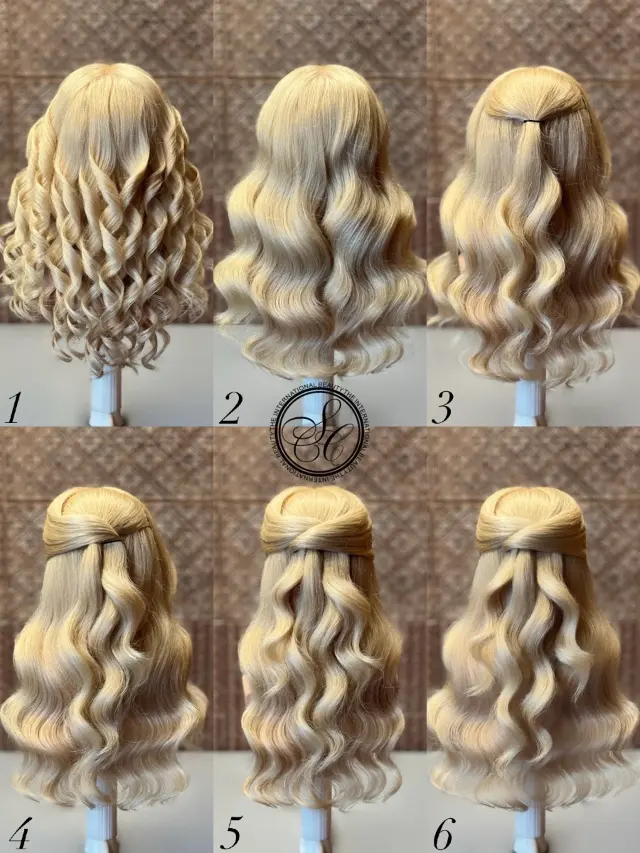
 Five-minute chignon updo demonstrated on a mannequin
#Chignon
1 ideas
Five-minute chignon updo demonstrated on a mannequin
Get new #Chignon ideas by email
Every Thursday: the week's best ideas, with the newest from #Chignon.
Related tags
Chignon Hairstyles: A Complete Guide for Beginners
A chignon is a hairstyle in which the hair is gathered and secured into a rounded mass at the back of the head, most often at the nape of the neck. The word comes from French, where it refers to the back of the neck itself, and it entered everyday styling vocabulary as a name for the knot of hair worn there. It sits somewhere between the casual bun and the formal updo: neat enough for a wedding or a day at the office, but relaxed enough to wear with jeans when it is pulled slightly loose.
A style with a long history
Gathered hair has been worn by women across many cultures for centuries, both for practicality and for show. The chignon as it is understood today took shape in European fashion, where the shape and height of the knot signalled formality and changed with the taste of each era. What has kept it alive is simple: it requires no cutting, no colour and almost no equipment, and it keeps hair out of the way while looking deliberate.
The main variations
Read more
- Low chignon: centred at the nape of the neck. The most classic and the most forgiving, especially for shorter or layered hair.
- High chignon: placed at the crown. It lifts the silhouette and suits formal or bridal styling.
- Side chignon: gathered off-centre, lower behind one ear. Softer and more romantic in feel.
- Ballerina-style bun: tightly smoothed and wrapped, associated with dance and with very polished looks.
- Textured or messy chignon: pinned loosely with sections left free around the face.
What you need to start
A few basics are enough: a soft elastic, a handful of bobby pins, a fine comb and a light hold product. Fine hair usually benefits from a little texture spray or dry shampoo at the roots, which gives the pins something to grip; thick or slippery hair holds better with a small amount of styling cream and more pins than you think you need. Very long hair can be twisted into a rope before wrapping, which keeps the shape compact.
Technique, step by step
Gather the hair into a ponytail at the height you want and secure it. Twist the tail around the base, coiling it into a rounded shape, and pin it as you go, catching both the coil and the scalp hair beneath. Work around the circle rather than in one place. Then gently loosen a few strands at the front and around the edges so the result does not look glued down. Finish with a light mist of hairspray if you want it to last through a long day.
Practical tips
- Build the shape slightly flatter than you want it, then adjust outward; over-tightening is harder to undo.
- Place pins with the ridged side facing the scalp, angled away from the direction of the coil.
- For an all-day hold on slippery hair, cross two pins over each other in an X.
- A chignon works well with accessories: a ribbon, a comb or a single pin at the side.
Once the basic shape is familiar, the same method adapts to almost any length and occasion.
#Chignon: frequently asked questions
What exactly is a chignon, and how is it different from a regular bun?
A chignon is hair gathered and secured into a rounded mass at the back of the head, usually sitting at the nape of the neck. It borrows its name from the French word for that part of the neck. Compared with a casual bun, it is tidier and more deliberate, but it stays softer than a fully formal updo, especially when a few strands are left loose.
What do I need to make my first chignon?
A soft elastic, a good supply of bobby pins, a fine comb and a light styling product cover the basics. The type of hair matters more than the kit: fine hair grips better with a little texture spray at the roots, while thick or slippery hair benefits from styling cream and extra pins. Long hair can be twisted into a rope first so the finished knot stays compact.
Which chignon shape should I choose?
A low chignon at the nape is the most forgiving and works well with shorter or layered hair. A high version at the crown lengthens the silhouette and reads as more formal or bridal, while an off-centre side chignon feels softer and more romantic. If you want something polished and severe, smooth the hair tightly; if you want it relaxed, pin it loosely and leave sections free.
How do I keep a chignon from falling apart during the day?
Build the shape a little flatter than your target and then ease it outward, since over-tightening is difficult to correct. Set pins with the ridged side toward the scalp and angle them against the direction of the coil, crossing two pins in an X where the hold needs to be strongest. A light mist of hairspray at the end helps it survive a long day.
What are the most common mistakes people make with a chignon?
The usual culprits are wrapping the coil too tightly, pinning in a single spot, and skipping the loosening step at the end. Working around the circle and catching both the coil and the scalp hair underneath gives a far more stable result. Leaving a few strands free at the front and edges keeps it from looking glued down.
Can a chignon work for both everyday wear and a special occasion?
Yes, and that flexibility is much of its appeal. Worn slightly loose with everyday clothes it reads as relaxed, while a smoothed, higher placement with a ribbon, comb or single side pin suits a wedding or an evening out. The same basic method adapts to almost any length once you are comfortable with it.
Videos come from YouTube and posts from Instagram; titles and summaries are our own. All rights belong to their creators.