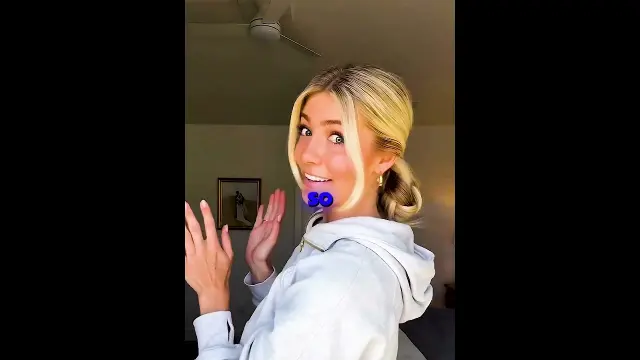
 Stylish Ponytail Hairstyle Idea
#Hairstyling
17 ideas
Stylish Ponytail Hairstyle Idea
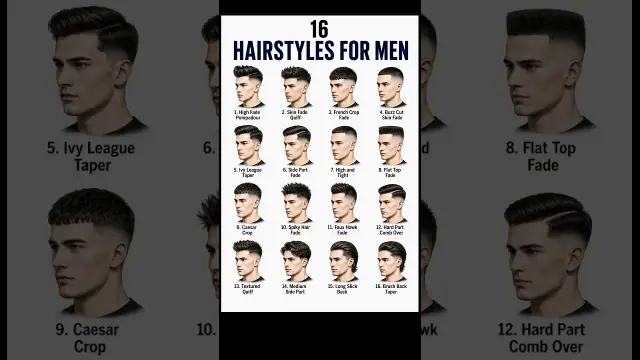 Top Trending Men's Haircuts and Hairstyles
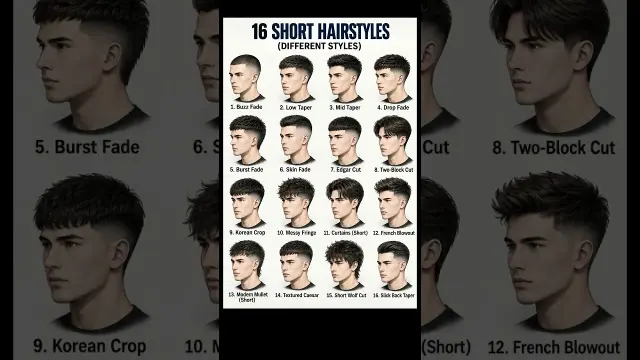 Best Short Hairstyles and Haircuts for Men
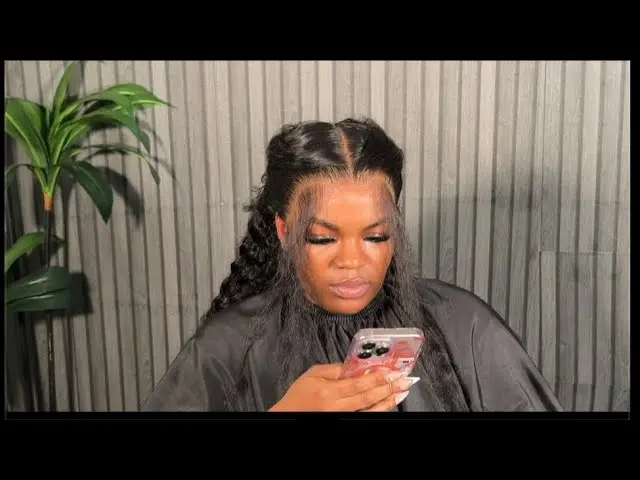 Flat Middle Part 40 Inch Curly Frontal Wig Install
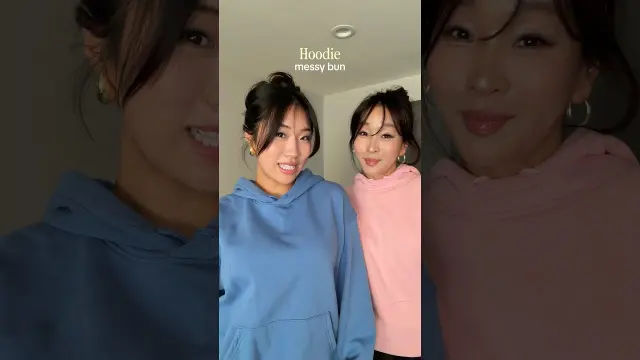 Matching Different Hairstyles to Outfit Necklines
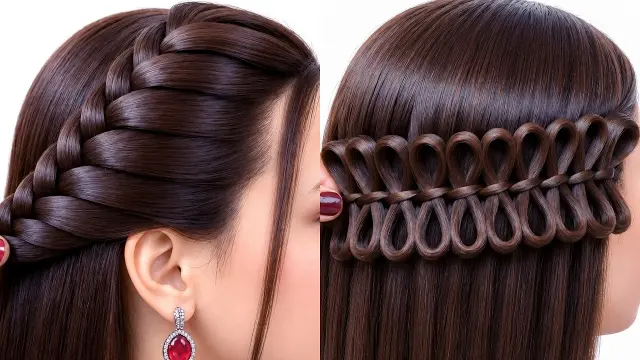 Beautiful Trendy Hairstyle and Hair Tutorial
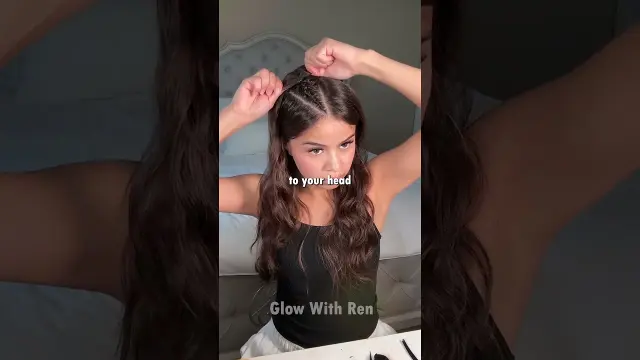 Easy Braided Hairstyle That Lasts
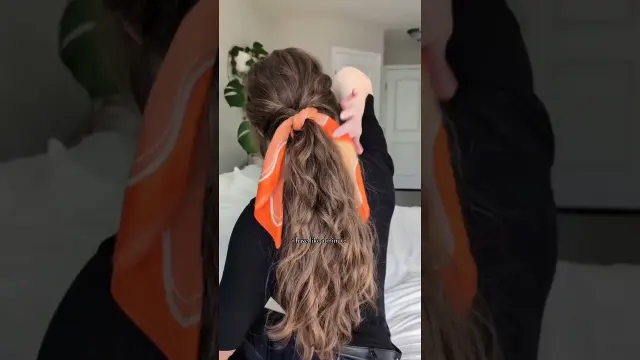 Quick Ponytail Hairstyle with a Scarf Accessory
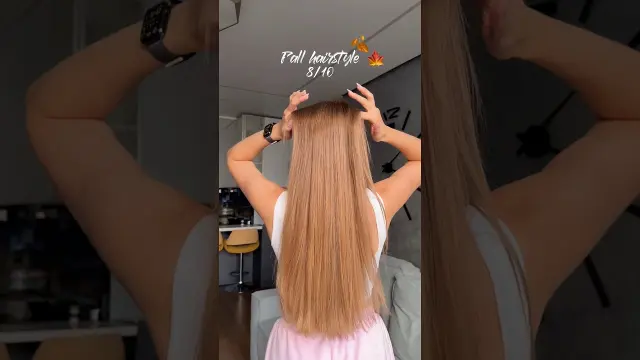 Cozy Fall DIY Hairstyle Tutorial
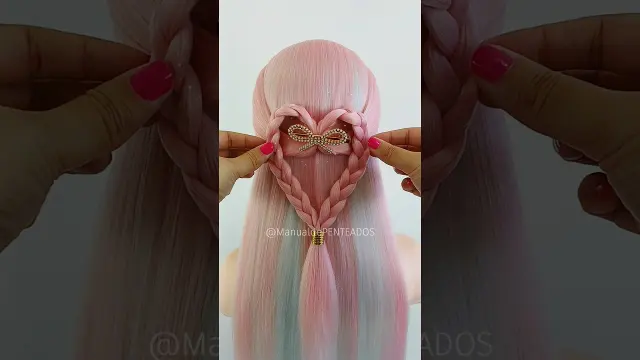 Easy and Cute Braided Hairstyle for Girls
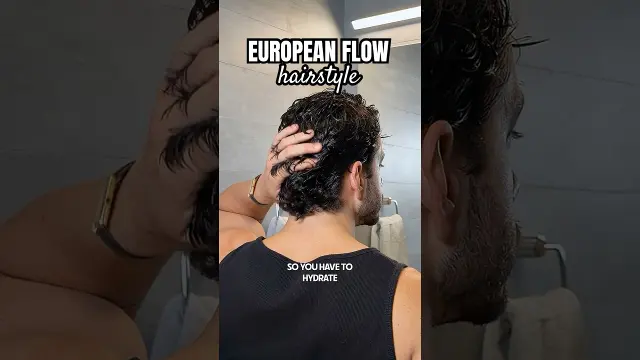 How to Style the Perfect European Flow Haircut
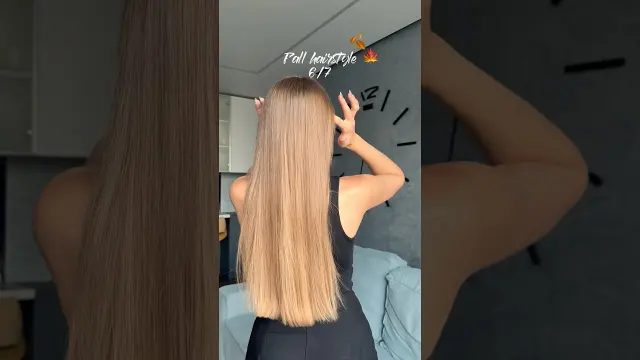 Cozy Fall Hair Styling Tutorial
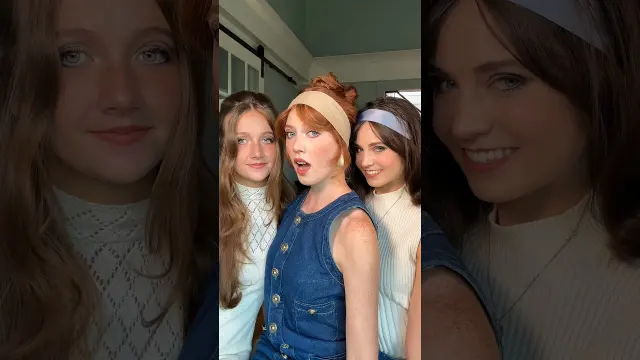 1960s Vintage Hairstyle Tutorial for Sisters
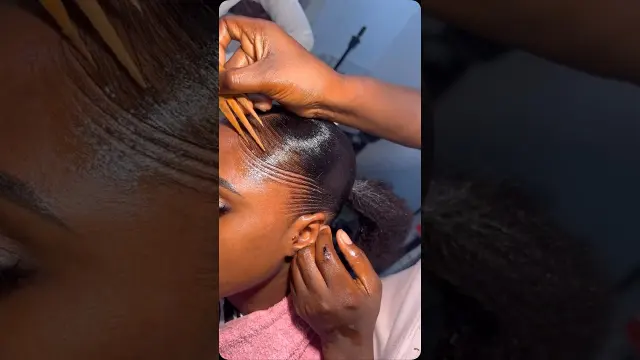 Sleek Gel Packing Ponytail Tutorial
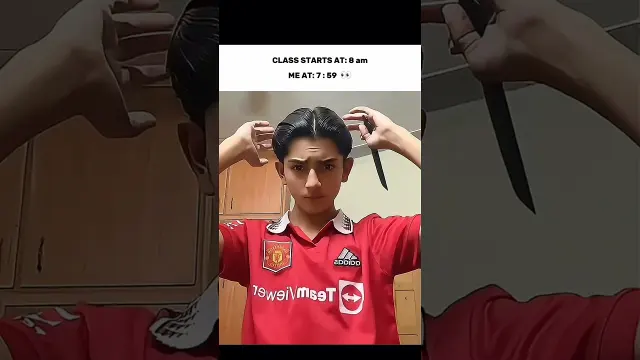 Simple Middle Part Hairstyle for School
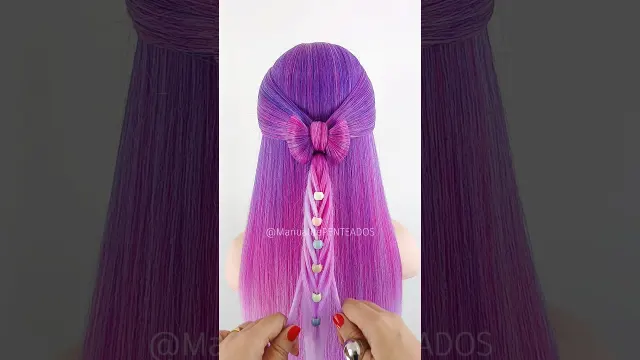 Easy and cute braided hairstyle tutorial for girls
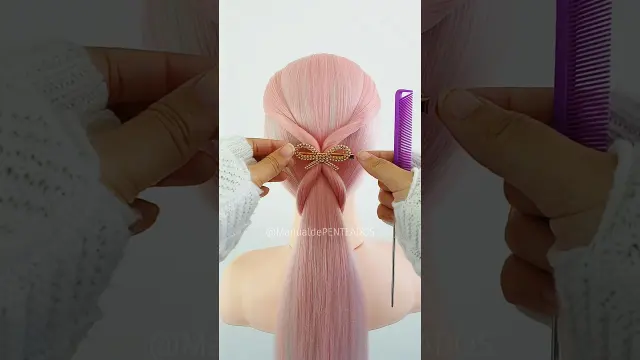 Easy and cute braided hairstyle tutorial for girls
Get new #Hairstyling ideas by email
Every Thursday: the week's best ideas, with the newest from #Hairstyling.
Related tags
Hairstyling Essentials and Ideas
Hairstyling is the art of shaping, arranging, and finishing hair to suit a person, an occasion, or a desired look. It has been part of personal grooming for centuries, across many cultures, and it ranges from the simplest everyday brush-and-go style to more structured looks like braids, buns, curls, and smooth blowouts. Good hairstyling is not only about appearance; it also helps you work with your hair’s natural texture, length, and condition.
Understanding your hair
Before you style your hair, it helps to understand what it naturally does. Hair can be straight, wavy, curly, coily, thick, fine, dense, or somewhere in between. It may hold shape easily, or it may fall flat or frizz quickly. Knowing your hair’s texture and behavior makes styling much easier, because the same method will not work equally well for everyone.
It also helps to notice how your hair reacts to moisture, heat, brushing, and products. Some hair looks best when handled gently with fingers or a wide-tooth comb, while other hair needs more structure from setting, sectioning, or smoothing.
Read more
Common hairstyling techniques
There are many ways to style hair, but several basic techniques appear again and again:
- Brushing and smoothing: useful for neat everyday looks and for preparing hair before more detailed styling
- Sectioning: dividing hair into parts so styling is more even and controlled
- Blow-drying: used to add volume, smoothness, or direction
- Curling and waving: creates shape, softness, and movement
- Braiding and twisting: practical, decorative, and often helpful for keeping hair in place
- Pinning and securing: important for buns, updos, and formal styles
- Finishing: the final step, such as smoothing flyaways, shaping edges, or arranging the silhouette
Classic hairstyles include ponytails, buns, braids, half-up styles, loose waves, and sleek straight looks. These can be adapted for casual days or more formal occasions.
Tools and products
The right tools make hairstyling easier and more comfortable. Common essentials include a brush, a comb, hair ties, clips, pins, and a mirror. Depending on your hair and the style you want, you may also use a blow-dryer, rollers, curling tools, or a flat iron.
Products can help with control, hold, and finish. Light products may add softness or shine, while stronger ones may help a style last longer. If you use heat, it is wise to keep temperatures moderate and avoid overdoing it. If your hair is dry or fragile, gentler methods are usually better.
Practical tips for beginners
Start with simple styles and build from there. Clean, detangled hair is usually easier to work with, but some styles hold better on hair that is not freshly washed. Practice sectioning your hair neatly, because this often improves the final result more than any single product does.
A few useful habits:
- Work slowly and keep your sections even
- Use products sparingly at first, then add more if needed
- Secure styles firmly, but not so tightly that they feel uncomfortable
- Match the style to your hair’s natural texture when possible
- Be patient with practice; many styles improve after a few tries
Caring for hair while styling
Healthy hair usually styles better. Gentle handling, regular detangling, and avoiding excessive heat can make a noticeable difference over time. If you wear tight styles often, give your hair and scalp regular breaks. The best hairstyle is one that looks good and still feels comfortable to wear.
Videos come from YouTube and posts from Instagram; titles and summaries are our own. All rights belong to their creators.