 Burgundy lace front wig styled for an Ariel-inspired look
#Frontal Wig
13 ideas
Burgundy lace front wig styled for an Ariel-inspired look
 Installing a frontal wig on a toddler
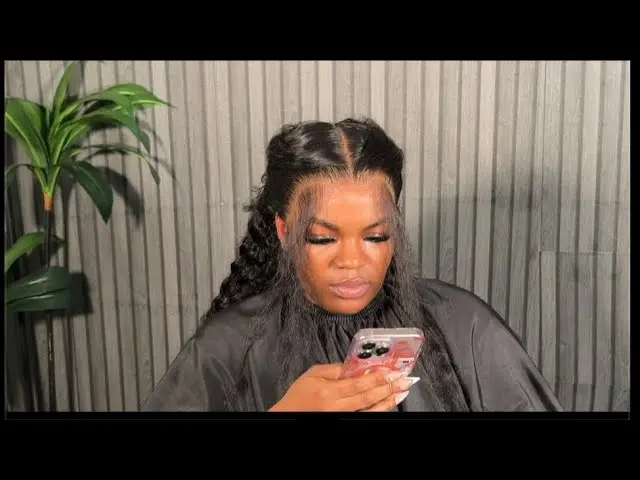 Flat Middle Part 40 Inch Curly Frontal Wig Install
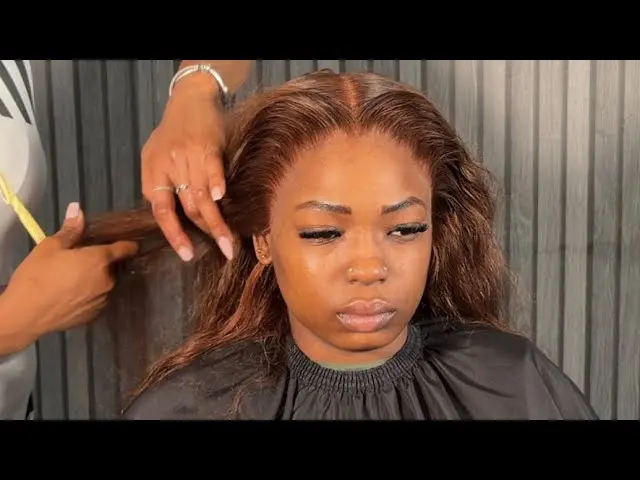 Frontal Wig Installation With Curls
 Detailed test of a THGF lace front wig
 Outre Y-Part 213 wig review and show-and-tell
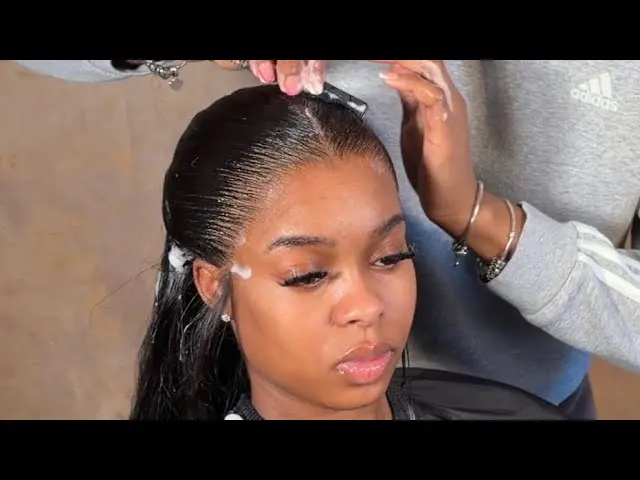 Frontal Wig Installation With Low Ponytail Style
 Outre Perfect Hairline PH 20 wig install
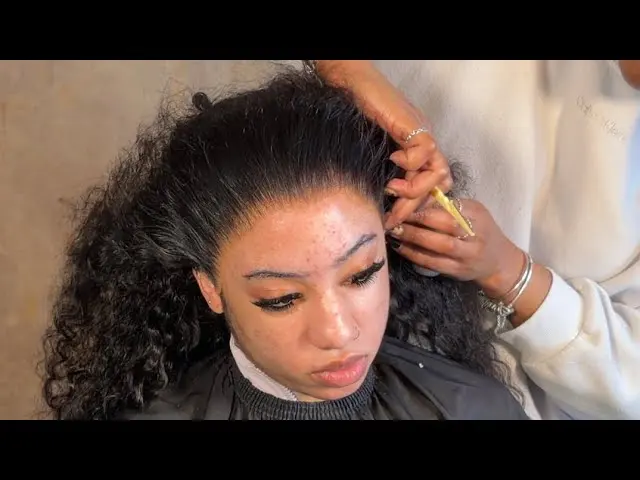 Low Side Part Curly Frontal Wig Installation
 Outre Perfect Hairline Swoop 23 wig feature
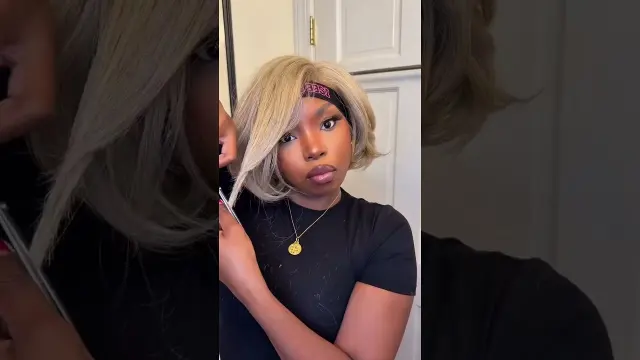 Tousled bob lace front wig in Cream Soda
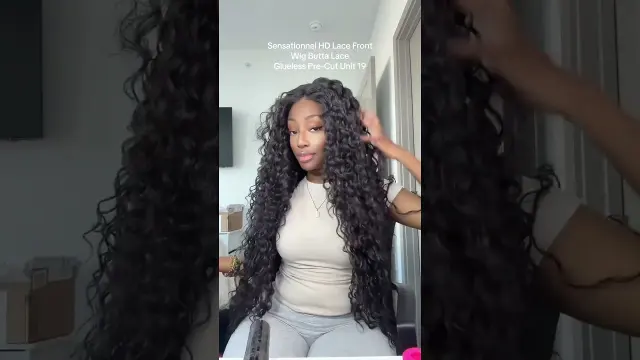 Glueless pre-cut lace front wig wear-and-go style
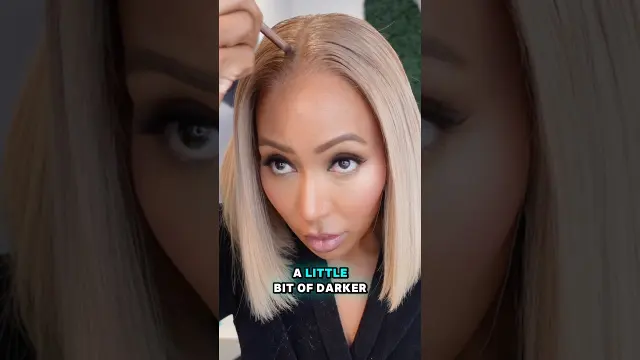 Quick Masterclass on Lace Wig Installation
Get new #Frontal Wig ideas by email
Every Thursday: the week's best ideas, with the newest from #Frontal Wig.
Related tags
Frontal Wig Guide for a Natural Look
A frontal wig is a wig made with a lace piece across the front of the head, usually from ear to ear, so the hairline can look more natural. It is used when you want a more realistic finish, more styling flexibility, and the option to wear the hair away from the face. Frontal wigs are popular in beauty and hairstyling because they can help create the look of a natural part, a soft hairline, or pulled-back styles.
What a frontal wig is
The “frontal” part refers to the lace front section. That lace is designed to blend with your skin and give the impression that hair is growing from the scalp. Because of that, frontal wigs are often chosen for styles like middle parts, side parts, sleek ponytails, half-up looks, and loose waves or curls.
Frontal wigs can be made from human hair or synthetic hair. Human-hair versions usually offer more styling freedom, while synthetic ones can be easier to maintain. The right choice depends on how often you plan to wear it and how much styling you want to do.
Read more
Main styles and uses
Frontal wigs come in many looks, but the most common ones are straight, wavy, curly, and kinky-textured styles. You can also find them in natural-looking densities and lengths that suit everyday wear or more polished occasions.
Some people like a deep side part for a softer frame around the face. Others prefer a middle part for a clean, balanced look. A frontal wig can also be styled into low ponytails, buns, or tucked-back shapes if the lace and construction allow it. That flexibility is one reason many people choose this type of wig.
What to know before you start
If you are new to frontal wigs, fit matters. A wig that sits correctly will feel more comfortable and look more believable. Measure your head carefully and make sure the cap size suits you. It also helps to prepare your natural hair underneath so the wig lies flat.
Blending is another important part of the look. A little care around the hairline can make a big difference. You may want to tint or blend the lace if needed, but always keep it gentle and avoid anything that irritates your skin. If you use adhesive, follow the instructions carefully and give your scalp time to rest when needed.
Practical tips for a better finish
- Keep the lace clean and handle it gently, especially near the front.
- Brush or comb the wig with care, starting at the ends.
- Use light products so the hair does not look weighed down.
- Store the wig on a stand or in a safe place to help it keep its shape.
- If you want a very natural look, choose a style that matches your own texture or gives a believable transition at the hairline.
With the right fit and simple care, a frontal wig can be a versatile way to change your style while still keeping the finish soft and natural.
Videos come from YouTube and posts from Instagram; titles and summaries are our own. All rights belong to their creators.