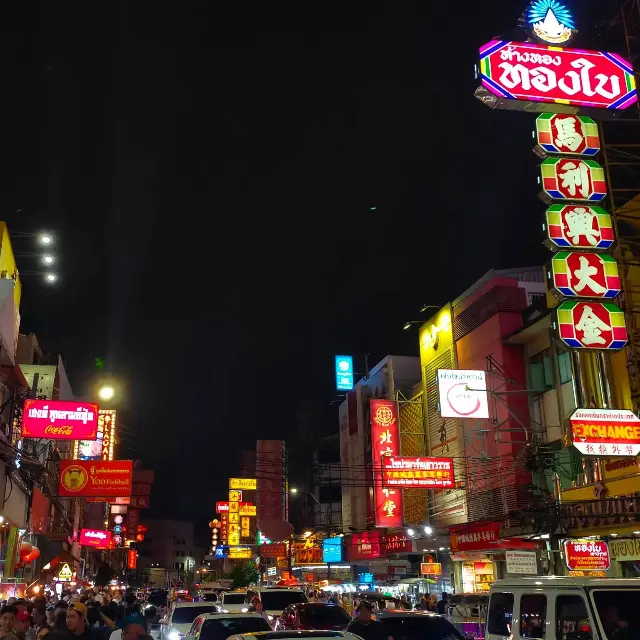
 Night walking and street food exploration in Bangkok
#Chinatown
1 ideas
Night walking and street food exploration in Bangkok
Get new #Chinatown ideas by email
Every Thursday: the week's best ideas, with the newest from #Chinatown.
Related tags
Chinatown: A Guide to the World's Chinese Quarters
A Chinatown is a district where Chinese communities have settled, traded and built a life, usually inside a larger, non-Chinese city. You will find one in Bangkok, San Francisco, London, Kuala Lumpur, Manila, Lima and dozens of other places, and no two are alike. What they share is a layering of the practical and the cultural: groceries, temples, clan associations, restaurants, medicine shops and schools packed into a few streets, often around one main artery that has carried the neighbourhood's name for generations.
Where the idea comes from
Chinese merchant communities existed along Southeast Asian trade routes long before the word "Chinatown" was coined. Migration in the nineteenth and twentieth centuries — much of it to work in mines, ports and plantations — created denser settlements, and discrimination often pushed these communities into defined blocks. The neighbourhoods that grew there were defensive as much as communal: associations, burial societies and guilds gave newcomers credit, housing and a place to speak their own language. The modern tourist Chinatown, with its gate and lanterns, is a later and more decorative layer on top of that harder history.
What you will see and eat
Read more
The most visible marker is the gate, usually at the entrance to the main street. Inside, architecture mixes the ordinary with the ornate — shophouses with arcades, a temple or two with heavy incense, a market hall selling produce you will not find elsewhere. Food is the heart of it. Regional cuisines travel with the people who cook them, so a Cantonese bakery, a Sichuan noodle counter, a Hokkien coffee shop and a dim sum hall can sit on the same block. Street stalls tend to run from early morning to late night, and the busiest ones are usually busy for a reason.
How to visit well
Go hungry and go early or late. Mid-morning and after dark are the most active hours in most Chinatowns; the middle of the afternoon can be quiet. Carry cash, since many small vendors do not take cards. If you enter a temple, dress simply, lower your voice, and watch what others do before you photograph anyone. Be mindful that these are working neighbourhoods, not sets: stay out of doorways, ask before pointing a camera at people, and buy something if you linger in a shop.
If you want to learn more
Look for a heritage centre or a community museum where one exists — many Chinatowns have small archives run by descendants of early settlers, and local guides often lead walks that explain what the signage means. Learning a few words of greeting in the local Chinese dialect, or simply asking a shopkeeper what a jar or a pastry is, goes a long way. The best visits are curious rather than hurried: eat, ask, walk slowly, and let the neighbourhood show you how many different lives have been lived in the same few streets.
#Chinatown: frequently asked questions
Which Chinatown should I visit if I can only pick one?
Pick the one that matches the kind of trip you want rather than hunting for the "best" — some are sprawling market districts where daily life dominates, others are compact and heavily restored for visitors. A neighbourhood layered around a single old main street usually gives you the richest walk, since groceries, temples and eating houses sit within a few minutes of each other. If you are already travelling somewhere with a Chinese community, the local one is almost always worth more than a detour.
How do I plan a first visit to a Chinatown?
Go hungry, arrive mid-morning or after dark, and keep your plan loose enough to follow your nose. Bring cash, wear comfortable shoes, and expect narrow pavements crowded with stalls, deliveries and shoppers. Leave the middle of the afternoon aside — that is when many places go quiet and shutters come down.
What should I actually eat there?
Follow the regional cooking rather than looking for a generic menu: bakeries, noodle counters, dumpling houses and coffee shops often represent quite different parts of China sitting side by side. Watch which stalls have a queue of local customers and join it. Order small portions from several places instead of committing to one big meal, and ask the vendor what something is if you do not recognise it.
How do I visit respectfully when it is a real neighbourhood?
Treat streets and doorways as other people's front rooms — do not block entrances, and ask before photographing anyone. In temples, dress plainly, keep your voice down, and copy what worshippers do before moving around. Buying something small from a shop you have spent time browsing in is a simple, appreciated gesture.
What are the most common mistakes visitors make?
Arriving in the dead of afternoon, carrying no cash, and treating the district as a photo set rather than a working community. Another is staying on the main artery the whole time — the side lanes are usually where the food and the everyday life are. Rushing is the biggest one: this is a place to walk slowly and ask questions.
What kind of outing suits Chinatown best?
An evening of grazing and wandering is hard to beat — street stalls run late, the lights come on, and the main street fills up. Daytime suits market browsing, temple visits and pastry hunting. If you want to understand the place rather than just eat through it, look for a heritage centre or a guided walk led by people with roots in the community.
Videos come from YouTube and posts from Instagram; titles and summaries are our own. All rights belong to their creators.