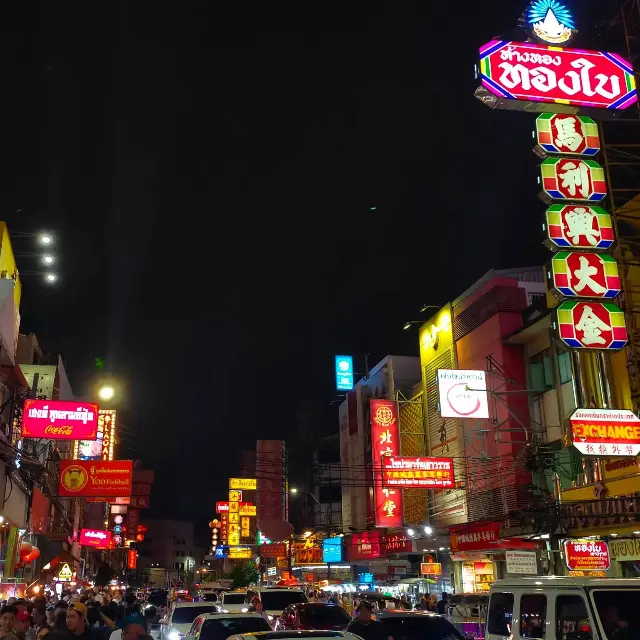
 Night walking and street food exploration in Bangkok
#Night Walk
1 ideas
Night walking and street food exploration in Bangkok
Get new #Night Walk ideas by email
Every Thursday: the week's best ideas, with the newest from #Night Walk.
Related tags
Night Walk: A Guide to Walking After Dark
Something changes when you step outside after dark. The streets empty out, the noise drops, and the same route you walk every morning looks entirely new. A night walk is simply that: a walk taken in the evening or late at night, not to get anywhere in particular, but for the pleasure of moving through the world while it is quiet. Some people do it for exercise, some to clear their head before sleep, some just to see their own neighbourhood in a different light.
Where it comes from
Walking in the evening is an old habit in many cultures — the after-dinner stroll, the promenade through a town square, the walk taken once the heat of the day has passed. In hot climates it is often the only comfortable hour to be outdoors. What has grown in recent years is the idea of the night walk as an activity in its own right: something you plan, choose a route for, and look forward to rather than something you do on the way home.
Kinds of night walks
Read more
- The neighbourhood loop: familiar streets, twenty or thirty minutes, no planning required.
- The city walk: bridges, squares, lit landmarks, the feeling of a place with the crowds gone.
- The food walk: moving between stalls, markets or small restaurants, eating as you go.
- The photography walk: chasing reflections, wet pavements, shop windows, long shadows.
- The nature walk: parks, coastlines, forest edges, sometimes with a torch and sometimes by moonlight alone.
- The walk with company: a friend, a dog, a group that meets at a fixed time each week.
What beginners should know
Start shorter than you think you need to. A night walk in cool air tires you differently, and it is easy to end up further from home than you intended. Wear shoes you can walk in for an hour without thinking about your feet, and take a layer more than you would for the same temperature in daylight — you cool down quickly once you slow your pace.
Bring a small light rather than relying on your phone, and keep your phone charged. Tell someone roughly where you are going, or share your route if the app you use allows it. If you are walking alone, choose well-lit streets and routes you already know, and vary them less than you would by day. Stay aware of what is around you: headphones at a low volume, or one ear free. If something feels off, turn around or step into a shop — you never owe anyone an explanation for choosing a different street.
Night walking is not about being brave. It is about being prepared enough that you can relax and enjoy it: the cooler air, the quieter streets, the way a familiar place becomes briefly strange. Take the first walk close to home, and let the habit build from there.
#Night Walk: frequently asked questions
How do I begin night walking if I have never done it before?
Start with a short loop close to home, on streets you already know well, and go out at a time when you would normally be settling in indoors. The point of the first few walks is to get used to how familiar places feel after dark, not to cover distance. Once the short loop feels easy and ordinary, extend it or try a route you have been curious about.
What should I bring on a night walk?
Take a small dedicated light rather than depending on your phone, and keep the phone charged in case you need it. Wear shoes you could walk in comfortably for a long stretch without thinking about your feet, and carry an extra layer, since you cool down quickly once you slow your pace. Letting someone know roughly where you are heading is worth the small effort.
Which kind of night walk should I choose?
It depends on what you want from the evening: a familiar neighbourhood loop is best for winding down, while a city or photography walk suits a mood when you want to be stimulated and look around. A nature walk needs more planning and a proper light, so save it for when you are already comfortable being out after dark. Many people keep a short loop for ordinary evenings and set aside the more ambitious routes for weekends.
How do I turn night walking into a regular habit?
Treat it as an appointment rather than something you do if you happen to have energy left, and pick a route you genuinely enjoy so it does not feel like a chore. Keeping the walk short makes it far easier to repeat, and repeating it is what builds the habit. Walking with a friend or a dog at a fixed time each week gives you a reason to go out even on evenings when you would rather not.
What mistakes do beginners usually make?
The most common is going further than intended, because cool air tires you in a way that is easy to misjudge until you are already far from home. Dressing for daytime temperatures is another frequent slip, as is walking with headphones loud enough to block out what is happening around you. Choosing to turn back or take a different street is always allowed, and you do not owe anyone an explanation for it.
Any ideas for making a night walk feel special?
Build the walk around something you want to see rather than around distance, such as lit landmarks, market stalls, or the reflections on wet pavement after rain. Photographers often pick a single theme for an evening and let the route follow it. Walking the same route in different weather and different seasons also keeps it interesting, since a place you know well can look entirely new after dark.
Videos come from YouTube and posts from Instagram; titles and summaries are our own. All rights belong to their creators.