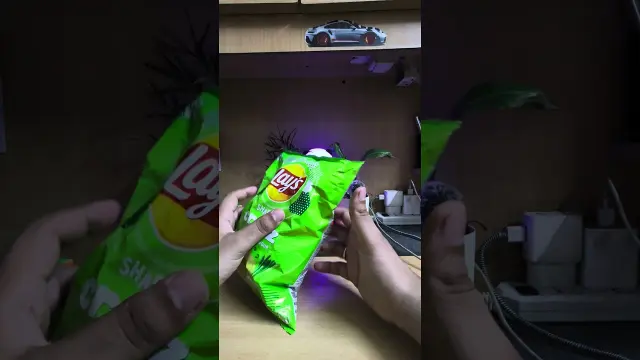
 Unboxing and Review of Lays Shapez Herb and Onion Crisps
#Chips
1 ideas
Unboxing and Review of Lays Shapez Herb and Onion Crisps
Get new #Chips ideas by email
Every Thursday: the week's best ideas, with the newest from #Chips.
Related tags
Chips: A Guide to the Beloved Crisp Snack
Few snacks carry the same easy pleasure as a bowl of chips — or crisps, depending on where you are reading this from. Whatever you call them, they are slices of potato, or sometimes other vegetables, fried or baked until crisp and lightly salted. Simple in principle, endlessly varied in practice, and eaten by hand from a shared bag or a small plate at the table.
A short history
The idea of slicing potatoes thinly and frying them until brittle is old and its origins are told in several different ways, but by the early twentieth century the snack had become a familiar one in shops and kitchens in Europe and North America. What began as something made in small batches to be eaten the same day gradually became a packaged food that could travel, which is roughly how it reached the shape we recognise now: a sealed bag, a shelf, and a habit of opening it before you meant to.
How they are made
Read more
Potatoes are washed, sliced to a chosen thickness, and either fried in oil or baked. The slicing matters as much as anything: thin slices cook quickly and shatter, thick slices stay firmer and taste more of potato. Many producers rinse or blanch the slices first to wash away surface starch, which affects colour and texture. After cooking comes seasoning, and then packaging, often with nitrogen rather than air to keep the contents intact.
The main styles
- Thin-cut or standard: delicate and snappy, the familiar everyday sort.
- Thick-cut: more bite, more potato flavour, good with thick dips.
- Crinkle-cut or ridged: wavy slices that hold seasoning and dip far better than flat ones.
- Kettle-cooked: cooked in smaller batches at varying temperatures, which leaves a harder, more uneven crunch and slightly browned edges.
- Baked: drier and crisper, with a lighter feel.
- Shoestring, waffle and vegetable chips: thinner, shaped, or made from parsnip, beetroot, sweet potato or cassava rather than potato.
Flavours and how to enjoy them
Salt remains the standard, and everything else is a variation on it: vinegar for sharpness, paprika or chilli for warmth, cheese powders, onion, herbs, sour cream, or smoke. Flavoured chips are heavily seasoned by nature, so pairing them with something plain and cool — a simple dip of yogurt and herbs, or a fresh salad alongside — keeps a meal in balance. Serve them at room temperature from a wide bowl rather than straight from the bag, and if you are setting them out for guests, pour some into a second bowl and keep the rest sealed.
For beginners
Making them at home is easy to try: slice thinly and evenly, dry the slices well with a clean cloth, and cook them in oil hot enough that they sizzle the moment they go in. Work in small batches so the temperature does not drop, and salt them as soon as they come out. Store bought ones keep best in an airtight container, away from heat, and are at their best soon after opening. Enjoy them as a treat — as with any fried snack, the pleasure comes from the portion, not the pile.
#Chips: frequently asked questions
How do I make chips at home for the first time?
Slice the potatoes thinly and as evenly as you can, then dry the slices well with a clean cloth before they go anywhere near the pan. Heat the oil until a slice sizzles the moment it touches it, cook in small batches so the temperature holds, and salt them the instant they come out. It is a forgiving process, so start with a modest amount and adjust as you go.
What do I need to get started?
A sharp knife or a slicer for even thickness, a clean cloth for drying the slices, a heavy pan and enough oil to cook them properly, plus a slotted spoon and a tray lined with paper to drain them on. For storage afterwards, a plain airtight container is all it takes. None of it is specialist equipment, which is part of why the whole thing is easy to try.
Which kind of chips should I choose?
It depends on how you plan to eat them: thin-cut suits everyday snacking, thick-cut stands up to heavy dips, and ridged or crinkle-cut slices grip seasoning and dip far better than flat ones. Kettle-cooked gives a harder, more uneven crunch with browned edges, while baked ones feel lighter and drier. Vegetable versions made from beetroot, parsnip or sweet potato are worth trying if you want a different flavour base altogether.
How should I store them once the bag is open?
Keep them in an airtight container, away from heat, and treat them as something to finish soon after opening rather than something to keep for a long stretch. If you are setting them out for guests, pour a portion into a wide bowl and leave the rest sealed rather than letting the whole bag sit open. Serving at room temperature from a bowl also keeps them tasting better than eating straight from the packet.
What are the common mistakes people make?
The usual ones are skipping the drying step, putting the slices into oil that is not hot enough, and crowding the pan so the temperature drops and everything turns greasy instead of crisp. Salting at the wrong moment is another: seasoning as they come out of the oil makes the salt stick, while doing it later just leaves it at the bottom of the bowl. Flavoured chips are heavily seasoned already, so pairing them with something plain and cool keeps things balanced.
What should I serve with them for a gathering?
A simple dip of yogurt with herbs, or a fresh salad on the side, works well because it offsets the salt and richness of a seasoned batch. A wide bowl placed where people are standing does more for the table than an open bag, and it keeps the rest of the packet intact for later. Think of them as a treat rather than the meal itself, and the portion takes care of itself.
Videos come from YouTube and posts from Instagram; titles and summaries are our own. All rights belong to their creators.