 Finding Grace and Moving Forward After Difficult Moments
#Christianity
2 ideas
Finding Grace and Moving Forward After Difficult Moments
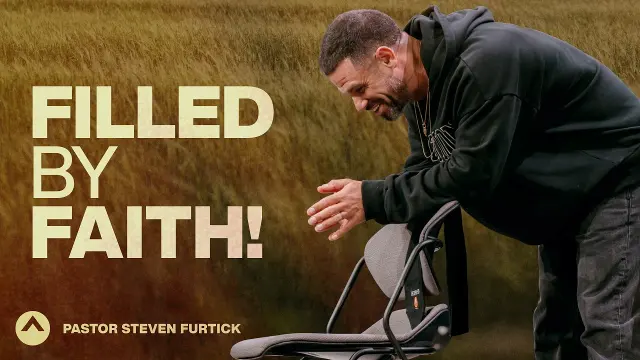 Filled by Faith Sermon with Pastor Steven Furtick
Get new #Christianity ideas by email
Every Thursday: the week's best ideas, with the newest from #Christianity.
Related tags
Christianity: Beliefs, Practices, and Traditions
What Christianity is
Christianity is a world religion based on the life and teachings of Jesus Christ. At its heart is the belief that Jesus is the Son of God and that his message offers salvation, forgiveness, and new life. Christians follow the Bible, which includes the Old Testament and the New Testament, and they gather in churches to pray, worship, read scripture, and support one another.
Christianity began in the Middle East, first growing out of Judaism in the first century. From there it spread across many cultures and regions, developing into a faith with many expressions. Today, Christians belong to a wide variety of denominations and traditions, but they share a common center in Christ.
Core beliefs and practices
Read more
Although Christian beliefs can differ in some details, many Christians agree on a few key ideas:
- God is one, and Christians understand God as Father, Son, and Holy Spirit.
- Jesus lived, died, and rose again, and his life is the foundation of Christian faith.
- The Bible is sacred scripture and a guide for belief and daily living.
- Prayer is an important way to speak with God and seek guidance, comfort, and gratitude.
- Faith is often lived out through love, forgiveness, humility, service, and care for others.
Common Christian practices include attending worship services, reading the Bible, singing hymns or worship songs, praying privately and in groups, and celebrating special holy days. Many Christians also practice baptism and communion, though the meaning and form of these rituals can vary by tradition.
Main traditions within Christianity
Christianity is not one single style of worship. Some of the main traditions include Catholic, Orthodox, and Protestant branches, each with its own history, structure, and way of worshipping.
- Catholic Christianity places strong emphasis on sacraments, church tradition, and the leadership of the pope.
- Orthodox Christianity is known for its ancient liturgy, icons, and deep continuity with early Christian worship.
- Protestant Christianity includes many denominations and often emphasizes the Bible, personal faith, and preaching.
Within these broad traditions, churches can be very different in tone and style. Some services are formal and liturgical, while others are simple and conversational. Some communities sing traditional hymns, while others use contemporary music. The heart of the faith remains the same, even when the outward expression changes.
What beginners should know
If you are learning about Christianity, it helps to begin with the life of Jesus and the basic message of the Gospels. You do not need to know everything at once. Christianity has a long history, rich symbols, and many customs, but at its center is a personal call to faith, love, and spiritual growth.
A few helpful points:
- Read the Bible slowly and with curiosity.
- Ask questions; Christian communities usually welcome them.
- Notice that churches may differ in style, but many share common values.
- Faith often grows through regular habits rather than big moments alone.
For many people, Christianity is not only a set of beliefs, but a way of life shaped by hope, repentance, grace, and the desire to follow Christ in everyday actions.
#Christianity: frequently asked questions
How do I start learning about Christianity if I know almost nothing?
Begin with the life and teaching of Jesus as told in the Gospels, reading a littl…trying to absorb everything at once. Christianity carries a long history and many customs, but its center is a personal call to faith, love, and growth, so curiosity matters more than prior knowledge. Asking questions out loud, in a church or with a friend who practices, is a normal part of the process.
What do I actually need before visiting a church for the first time?
You do not need special clothing, background, or vocabulary to walk in; most congregations expect visitors and welcome them. It helps to know that services vary widely, from formal liturgy with set prayers to relaxed gatherings with conversation and contemporary music, so a single visit is not the whole picture. If you feel uncertain, arriving a little early and mentioning to someone at the door that it is your first time usually smooths the way.
Which branch of Christianity should I choose?
Catholic, Orthodox, and Protestant traditions differ in history, structure, and style of worship, and within each of those there is further variety in music, formality, and emphasis. Rather than deciding in the abstract, visit a few communities and notice where the teaching, the people, and the rhythm of worship feel honest and sustaining to you. The core of the faith stays constant across these expressions even when the outward form changes.
How do I keep my faith growing after the first spark fades?
Faith tends to mature through steady habits rather than dramatic moments: regular prayer, slow reading of scripture, and showing up with a community even when you feel flat. Putting belief into practice through forgiveness, humility, and care for other people is part of how it deepens rather than staying theoretical. Expect seasons of doubt and dryness as ordinary rather than as failure, and let them be something to talk through rather than hide.
What are common mistakes beginners make?
A frequent one is trying to master doctrine, history, and customs all at once and then feeling discouraged when it does not click immediately. Another is assuming a single congregation or service style represents all of Christianity, when in fact the traditions vary enormously in tone and practice. Treating faith as a private intellectual exercise rather than something lived out in relationships and service is also a common way to stall.
How can I mark a holy day or occasion at home?
Many Christians observe special days with simple things: gathering for a meal, reading a passage aloud, praying together, or singing. Baptism and communion are meaningful rituals but are usually handled within a church community and understood differently by each tradition, so it is worth asking a local church how they approach them. Small, repeatable household practices often carry more weight over time than an elaborate one-off celebration.
Videos come from YouTube and posts from Instagram; titles and summaries are our own. All rights belong to their creators.