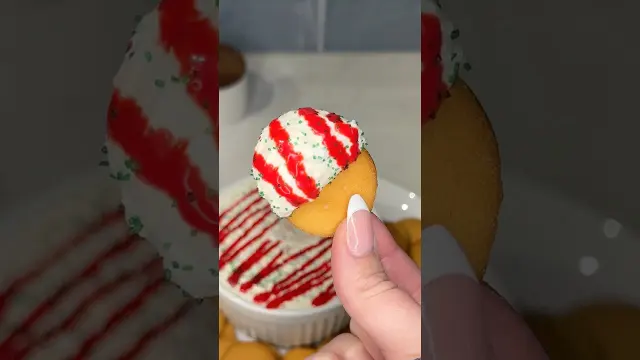
 Christmas Tree Cake Dip for Holiday Parties
#Christmas Desserts
3 ideas
Christmas Tree Cake Dip for Holiday Parties
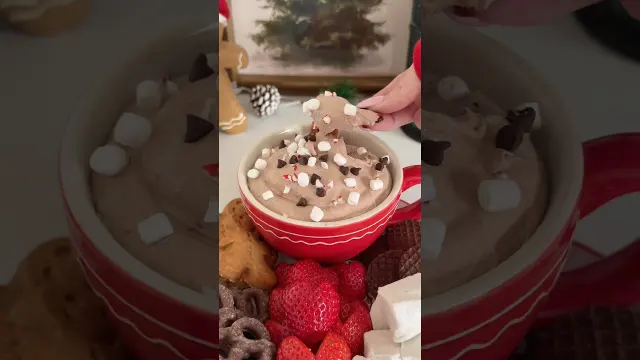 No-Bake Hot Cocoa Cheesecake Dip for Christmas
 Jamie Oliver's Christmas Dessert Recipes, From Yule Log to Trifle
Get new #Christmas Desserts ideas by email
Every Thursday: the week's best ideas, with the newest from #Christmas Desserts.
Related tags
Christmas Desserts: A Guide to Festive Sweets
Christmas desserts are the sweet finale to the festive season — a loose family of cakes, puddings, cookies and confections that appear on tables from late November through early January. What unites them is less a single recipe than a mood: warm spices, dried fruit, nuts, butter, citrus peel and chocolate, often made in generous quantities and shared. Many carry the weight of memory, which is part of why they feel so important.
Where the traditions come from
Most classic Christmas sweets grew out of practical winter cooking. Before fresh produce was easy to find, households relied on stored apples, dried fruit, nuts and preserved peel, and on spices that arrived once a year as a luxury. Those ingredients shaped the flavour profile still associated with the season today. Steamed puddings heavy with dried fruit, mince pies with their spiced filling, enriched yeast breads studded with raisins and candied peel, and gingerbread all belong to this long history. Different countries developed their own versions — a fruited loaf in Italy or Germany, a rolled sponge log in France, a layered trifle in Britain — and families who emigrated carried them elsewhere, so most tables now hold a mix of several traditions.
The main kinds
Read more
- Steamed puddings and fruit cakes: dense, dark and made well ahead, often matured for weeks and reheated or sliced to serve.
- Enriched breads and sweet loaves: buttery doughs with dried fruit, nuts or a swirl of spice, baked in tall or ring shapes.
- Logs and rolled cakes: light sponge spread with cream or chocolate and rolled into a cylinder, decorated to look like a piece of woodland timber.
- Cookies and biscuits: shortbread, spiced cut-outs, sandwich cookies and piped shapes, the easiest place to start and the most fun to decorate.
- Layered desserts and trifles: sponge, custard, fruit and cream assembled in a bowl, served by the spoonful.
- Small confections: truffles, nut brittle, marzipan shapes and chocolate bark, useful for gifts.
What beginners should know
Baking at this time of year rewards planning more than skill. Rich fruit cakes and puddings genuinely improve if made weeks in advance, so start with those if you can. Chilled and layered desserts are forgiving and can be assembled a day ahead. Cookie dough freezes well, which lets you bake in small batches when guests arrive.
Read a recipe through before you begin, weigh ingredients rather than eyeballing them, and bring butter and eggs to room temperature for even mixing. Spices lose their punch over time, so check that yours still smell strong. Keep an eye on oven temperature — festive baking is often long and slow, and an oven thermometer helps more than you would expect.
Finally, give yourself permission to keep things simple. A plate of well-made cookies, a bowl of cream and a pot of something warm can hold a table together just as happily as an elaborate centrepiece. The point of these desserts is company, not perfection.
#Christmas Desserts: frequently asked questions
How do I get started with Christmas desserts if I’m a beginner?
Start with something simple and forgiving, like cookies, a no-bake dip, or a layered dessert that can be assembled ahead of time. These are easier to manage than rich fruit cakes or steamed puddings, and they still feel festive on the table.
What ingredients are most common in Christmas desserts?
Many Christmas sweets use warm spices, dried fruit, nuts, butter, citrus peel, chocolate, and sometimes cream or custard. These ingredients create the rich, cozy flavors that people often associate with the season.
Which type of Christmas dessert should I choose for a party?
For a crowd, choose something that is easy to serve and share, such as a trifle, a yule log, a cookie platter, or a dessert dip. If you want a make-ahead option, fruit cake, pudding, and chilled desserts are especially practical.
What are some good Christmas dessert ideas for gifting or entertaining?
Small confections like truffles, nut brittle, marzipan shapes, and chocolate bark make lovely gifts and are easy to package. For entertaining, a decorative cake, a festive log, or a bowl dessert can become the centerpiece of the table.
What common mistakes should I avoid when making Christmas desserts?
A common mistake is leaving everything until the last minute, since many festive desserts taste better when made ahead. It also helps not to skip recipe details, overmix batters, or bake at the wrong temperature, because these desserts often rely on careful timing and gentle cooking.
Videos come from YouTube and posts from Instagram; titles and summaries are our own. All rights belong to their creators.