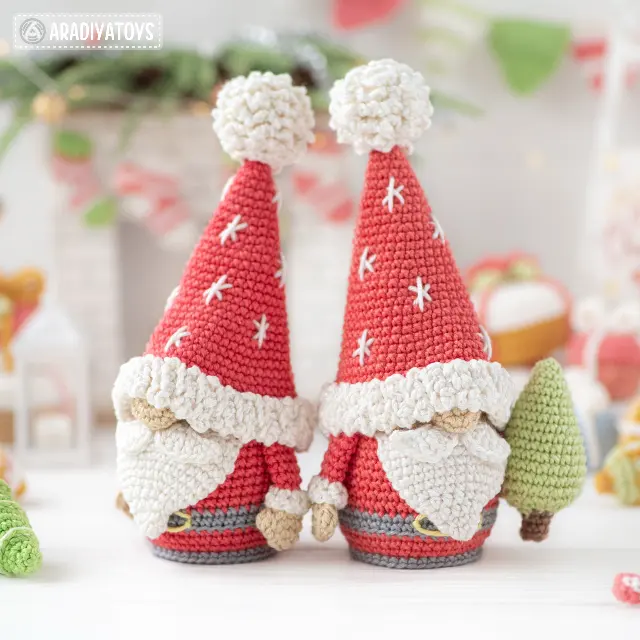
 Christmas Gnome Amigurumi Pattern and Holiday Ornament Inspiration
#Christmas Gnome
1 ideas
Christmas Gnome Amigurumi Pattern and Holiday Ornament Inspiration
Get new #Christmas Gnome ideas by email
Every Thursday: the week's best ideas, with the newest from #Christmas Gnome.
Related tags
Christmas Gnome Crafts, Folklore and Decorating Ideas
A Christmas gnome is a small, soft-bodied figure with a long beard, a round nose and a tall conical hat pulled down so far that it hides the eyes. You have probably seen one on a shelf or a mantel without knowing where it came from. The character has travelled a long way from northern farms to modern living rooms, and it is one of the friendliest things you can make by hand.
Where the gnome comes from
The figure belongs to Scandinavian folklore, where it is known as the tomte in Sweden and the nisse in Norway and Denmark. Traditionally it was a quiet guardian of the farmstead, associated with the barn, the animals and the household's good fortune. Families left a bowl of porridge out at Christmas as a thank-you, and the little bearded figure gradually became part of winter celebrations. When the Nordic gift-giving traditions took shape, the gnome came along with them, still wearing its hat and still keeping a watchful eye on the home.
What makes a gnome a gnome
Read more
The recipe is short: a hat that is too big, a nose that is too round, and a beard that covers everything else. Hiding the face is the whole trick. It makes the figure feel shy and a little mysterious, and it means you never have to worry about painting perfect features. Bodies are usually plump and cone-shaped, sitting low and wide so they stand up on their own.
Ways to make one
The design is simple enough for almost any craft to take it on.
- Sewn fabric gnomes, built from a stuffed cone body, a felt hat and a yarn or faux-fur beard.
- No-sew versions, where felt pieces are joined with fabric glue and the hat hides the seams.
- Needle-felted gnomes, sculpted from wool so the beard becomes part of the body.
- Crochet and amigurumi gnomes, worked in tight rounds with a long hat and a stitched nose.
- Yarn-and-cone gnomes, wrapped and trimmed, which are quick and forgiving for children's craft sessions.
Tips for a good first attempt
Choose a firm wool felt or a tightly woven fabric, since soft, slippery material makes the hat droop instead of standing. Weight the base with a little rice bag or a disc of stiff card so the gnome does not tip over. Cut the hat longer than you think it needs — it should fold or flop slightly at the tip. Trim the beard after the hat is in place, not before. And keep small beads, bells and buttons out of reach if the gnome will sit anywhere a small child can grab it.
Decorating with gnomes
Because the shapes are simple, gnomes work well in groups. Line up three or four in different heights along a mantel, tuck a small one into a wreath, or perch one on a stack of books. They suit a restrained palette of red, off-white, grey and natural wool, and they mix happily with pinecones, candles and dried oranges. A tiny gnome tied to a parcel or hung on the tree makes a gift feel considered, and a handmade one is the sort of thing people keep for years.
#Christmas Gnome: frequently asked questions
What exactly is a Christmas gnome, and where does the idea come from?
It is a small, soft-bodied figure with a round nose, a long beard and a tall conical hat pulled down over the eyes, so the face stays hidden. The character comes from Scandinavian folklore, where it guarded the farmstead as the tomte or nisse and later became part of winter gift-giving traditions. That is why it still looks like a shy, watchful household spirit rather than a cartoon character.
How do I start making one if I have never crafted anything like this before?
Pick the method that matches what you already own and can do — a no-sew felt version or a yarn-wrapped cone needs almost no equipment. Make one plain gnome first just to learn how the hat sits and how long the beard should be, then move on to sewing, needle felting or crochet. The shape is forgiving, so an imperfect first attempt still reads clearly as a gnome.
What materials make the biggest difference to the finished gnome?
The fabric choice matters most, because a firm wool felt or tightly woven cloth lets the hat stand up while soft, slippery material makes it droop. Weight the base with something small and firm so the figure does not tip over, and choose a beard material with enough texture to look full. Everything else is trim and preference.
Which style should I choose — sewn, needle-felted or crocheted?
It comes down to the texture and the level of control you enjoy: sewing gives a classic stuffed figure, felting lets the beard blend into the body as one piece, and crochet produces a neat, dense little gnome with a stitched nose. If children are joining in, a wrapped-cone gnome is the most forgiving option. Choose the one whose finished look you actually want on your shelf.
How should I use gnomes in my holiday decorating?
Because the silhouette is so simple, they work best in groups of varying heights rather than alone — along a mantel, tucked into a wreath, or perched on a stack of books. Keep to a restrained palette such as red, off-white, grey and natural wool so they sit calmly beside pinecones, candles and dried fruit. A tiny one tied to a parcel or hung on the tree also makes a handmade gift feel considered.
What are the most common mistakes to avoid?
Trimming the beard before the hat is in place, and cutting the hat too short, are the usual ones — leave extra length so the tip can fold or flop, and trim the beard last. Also keep beads, bells and buttons off any gnome that will sit within a small child's reach. A weighted base is the other detail people skip and then regret.
Videos come from YouTube and posts from Instagram; titles and summaries are our own. All rights belong to their creators.