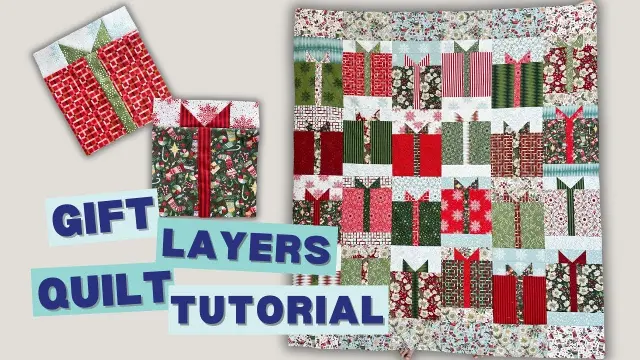
 Beginner Friendly Gift Layers Holiday Quilt Tutorial
#Christmas Sewing
1 ideas
Beginner Friendly Gift Layers Holiday Quilt Tutorial
Get new #Christmas Sewing ideas by email
Every Thursday: the week's best ideas, with the newest from #Christmas Sewing.
Related tags
Christmas Sewing Ideas and Traditions
Christmas sewing is the craft of making useful and decorative items for the holiday season with fabric, thread, and a little imagination. It can be as simple as stitching a stocking or as detailed as piecing a quilt, but the heart of it is the same: creating something personal for home, gifts, or celebration.
What Christmas sewing includes
This kind of sewing often covers a wide range of projects. You might make table linens, stockings, ornaments, gift bags, tree skirts, pillow covers, aprons, bunting, or patchwork quilts. Some people sew for decoration, others for practical use, and many enjoy doing both. Handmade Christmas items often become part of family traditions and are brought out year after year.
The materials are usually chosen for a festive look. Cotton, linen, felt, velvet, and plaid fabrics are all common choices because they are easy to handle and suit holiday motifs well. Red, green, white, gold, silver, and deeper winter tones are traditional, but there are no fixed rules. Your own home style can guide the look.
Read more
Common styles and techniques
Christmas sewing can be very simple or more advanced. Beginner projects often use straight seams, basic hems, and easy shapes like rectangles, stars, hearts, or trees. Felt is especially forgiving because it does not fray much, which makes it a good choice for ornaments and small decorations.
More experienced sewists may enjoy patchwork, appliqué, quilting, embroidery, or combining different textures. Patchwork is useful for stockings, table runners, and quilts because it lets you use fabric scraps in a coordinated way. Appliqué adds decorative shapes to a background fabric, while embroidery can give a handmade finish to small gifts and linens.
Getting started
If you are new to Christmas sewing, choose one small project first. A simple cushion cover, drawstring gift bag, or fabric ornament can teach you the basics without feeling overwhelming. Start with fabrics that are easy to cut and sew, and use a sharp needle, matching thread, and clear seam allowances. Pressing seams as you go will help your work look neat.
It also helps to plan ahead. Christmas sewing is often more enjoyable when you begin early, especially if you want to make several items or finish gifts in time. Keep your shapes simple and repeat them if you are making a set, such as matching stockings or table napkins.
Practical tips for festive sewing
Choose washable fabrics for items that will be used often, like napkins, stockings, or table runners. For decorations that will hang or be handled gently, you can use more delicate materials. If you are making gifts, think about how the item will be used and whether it should be lined, padded, or closed with ties, buttons, or snaps.
A good Christmas sewing project should feel joyful rather than perfect. Small uneven stitches, hand-finished edges, or slightly different shapes can add charm and make the item feel personal. The best results usually come from simple designs made carefully, with attention to finish and durability.
Christmas sewing is a lovely way to slow down, use your skills, and make the season feel more thoughtful. Whether you sew for your table, your tree, or the people you love, each handmade piece carries a little extra meaning.
#Christmas Sewing: frequently asked questions
How do I start Christmas sewing if I'm a complete beginner?
Begin with one small project rather than a whole coordinated set — a drawstring gift bag, a simple cushion cover, or a felt ornament gives you the basic skills without overwhelming you. Choose fabric that is easy to cut and sew, keep your shapes simple, and press your seams as you go, since neat pressing does more for the finished look than speed does.
What supplies do I actually need for holiday sewing projects?
A machine in good working order, sharp needles, thread that matches your fabric, and something to mark and cut with will carry you through most festive projects. Beyond that, the extras depend on the project: lining and padding for anything that needs body, and ties, buttons, or snaps for closures. Add felt, ribbon, or trim only when a specific design calls for it.
Which fabrics work best for Christmas sewing?
Cotton, linen, felt, velvet, and plaid are the usual choices because they handle well and suit holiday motifs. Pick washable, durable fabrics for anything that will be used and laundered often, such as napkins, stockings, and table runners, and save the more delicate materials for decorations that hang or are handled gently. Felt is especially forgiving for ornaments and small decorations because it barely frays.
How should I care for handmade Christmas items so they last for years?
Wash everyday pieces according to what the fabric can take, and store them clean and fully dry so nothing sets in or mildews between seasons. Quilts, ornaments, and anything with appliqué, embroidery, or delicate trim are better spot-cleaned or gently hand-washed than tumbled in a machine. Store decorations flat or loosely packed rather than crushed under heavier items.
What are good Christmas sewing ideas for gifts and for the home?
For the home, think table linens, stockings, tree skirts, pillow covers, bunting, and patchwork quilts; for gifts, aprons, drawstring bags, ornaments, and small embroidered linens all work well. Patchwork is a good way to turn fabric scraps into something coordinated, and a matching set of napkins or stockings made from repeated simple shapes looks considered without being complicated.
What mistakes should I avoid when sewing for the holidays?
The most common ones are starting too late, taking on a project far beyond your current skill level, and chasing perfect symmetry instead of a clean finish. Plan ahead so you are not rushing gifts, choose washable fabrics for anything that will see real use, and accept that slightly uneven stitches or hand-finished edges are part of the charm of a handmade piece.
Videos come from YouTube and posts from Instagram; titles and summaries are our own. All rights belong to their creators.