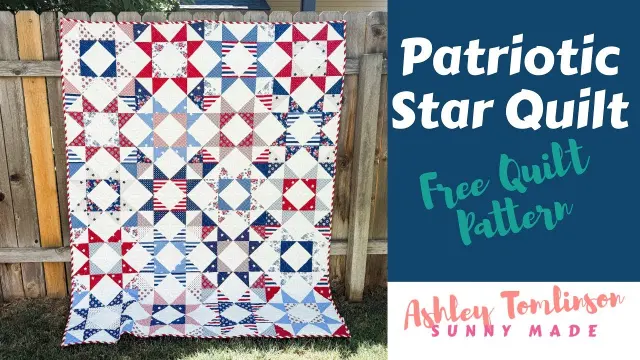
 How to Make a Half-Square Triangle Layer Cake Quilt
#Layer Cake Quilt
22 ideas
How to Make a Half-Square Triangle Layer Cake Quilt
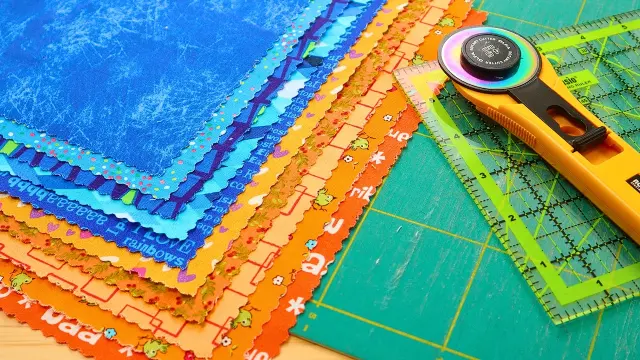 Fast and Simple One-Block Layer Cake Quilt Tutorial
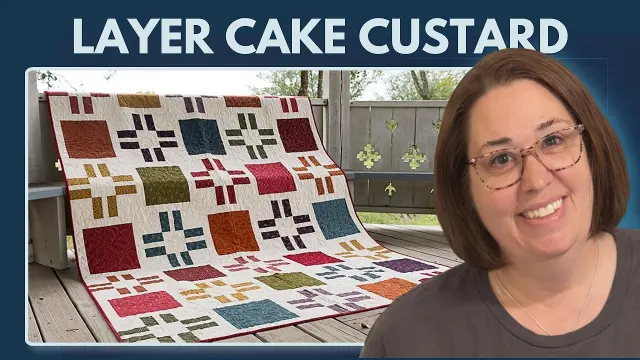 Starting the Layer Cake Custard Quilt Step by Step
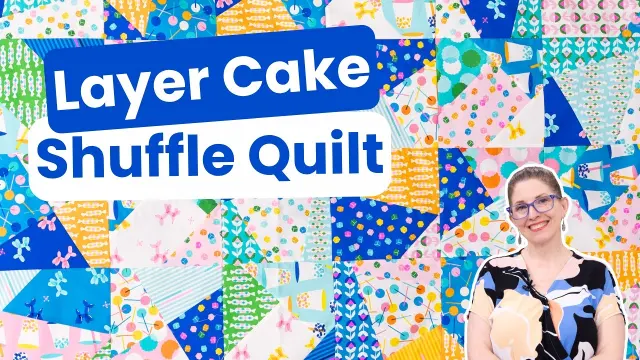 Quick and Easy Layer Cake Shuffle Quilt Tutorial
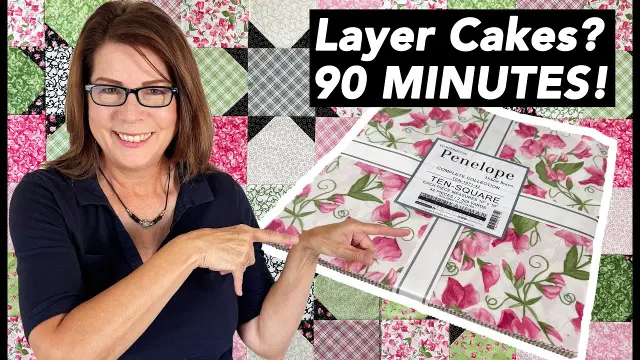 Fast and Easy 90-Minute Layer Cake Quilt Tutorial
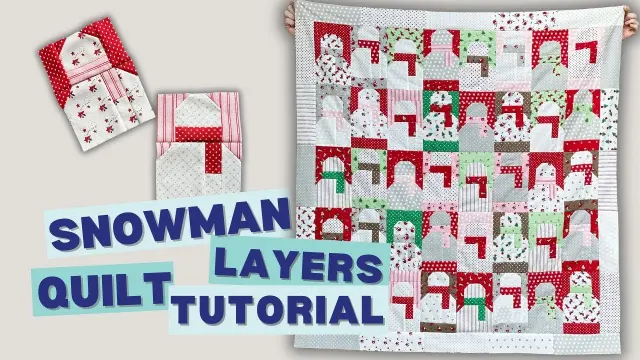 Snowman Layers Quilt Tutorial with One Layer Cake
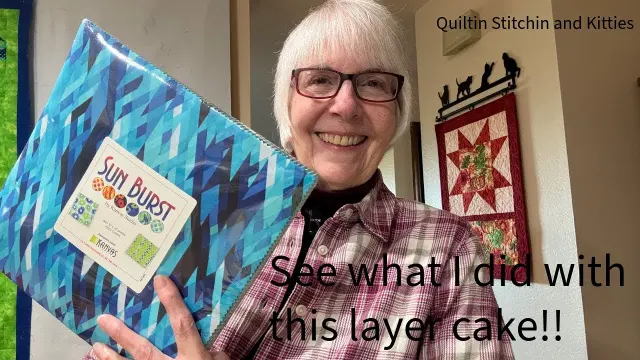 Fun and Simple Layer Cake Quilt with Spectacular Results
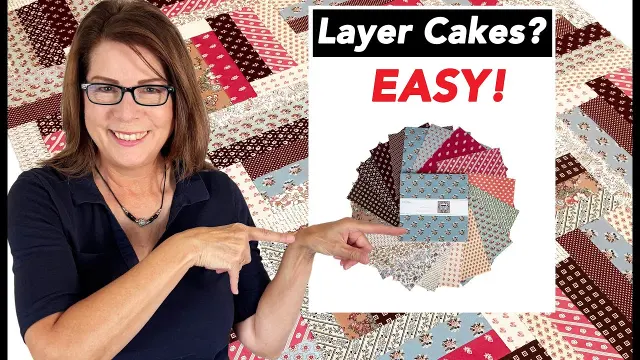 Four-Hour Layer Cake Quilt Top Tutorial from Squares
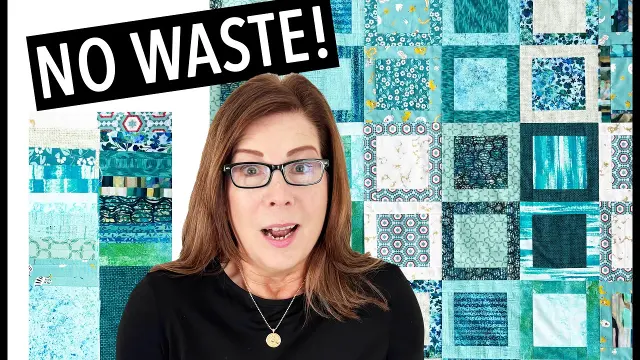 Fast Zero-Waste Quilt Tutorial Using One Layer Cake
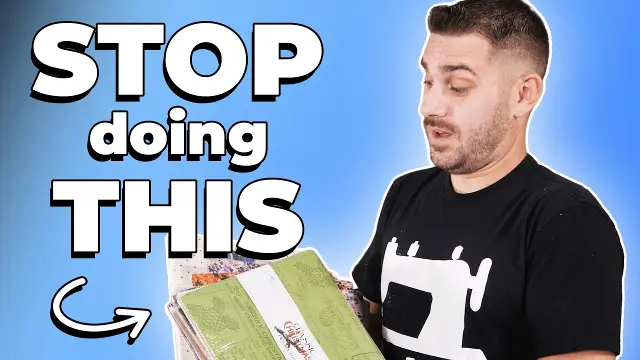 Five Patterns to Sew with Your Layer Cake Stash
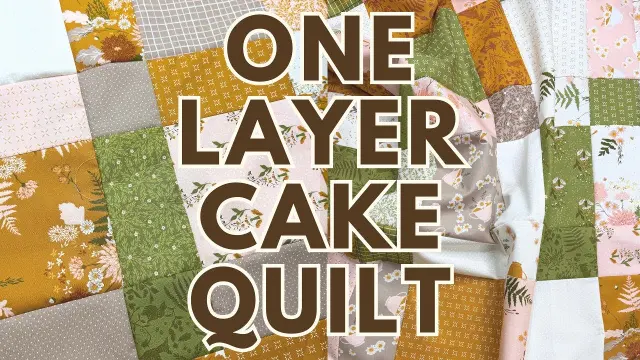 Make a Throw Quilt Using Just One Layer Cake
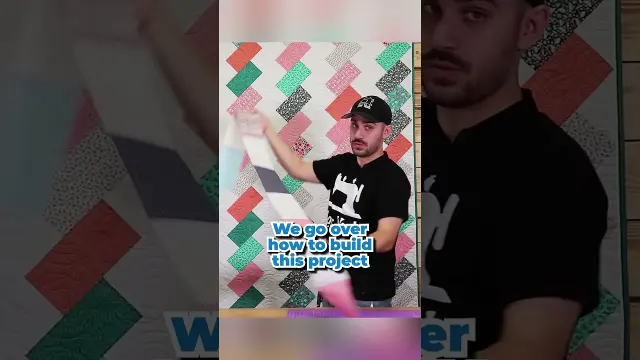 Side Step Layer Cake Quilt Quick Project Idea
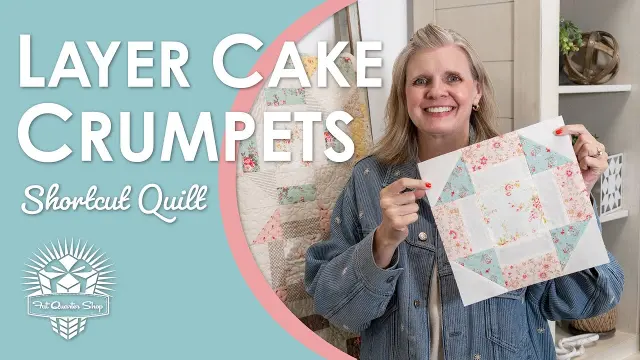 Easy Layer Cake Crumpets Quilt Tutorial
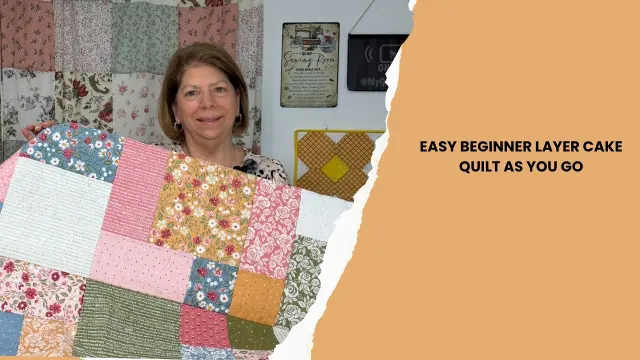 Easy Beginner Friendly Layer Cake Quilt Tutorial
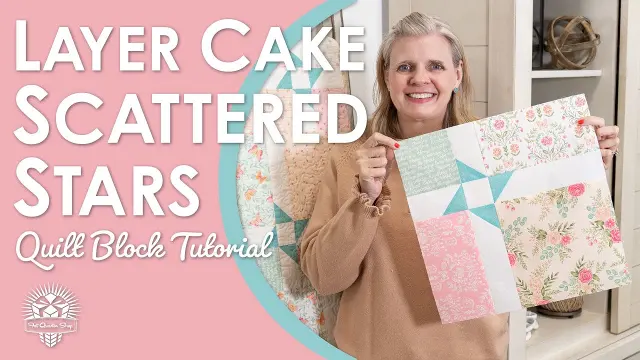 Layer Cake Scattered Stars Beginner Quilt Tutorial
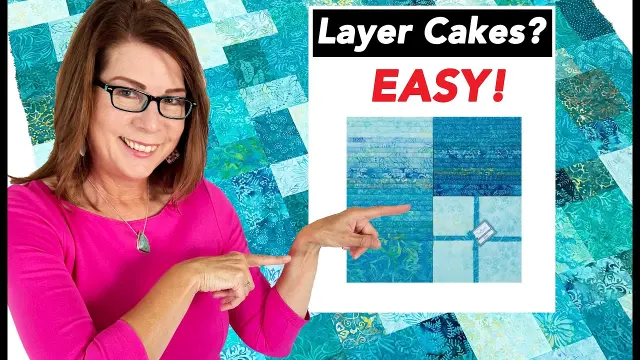 Fast 3-Hour Layer Cake Donation Quilt Tutorial
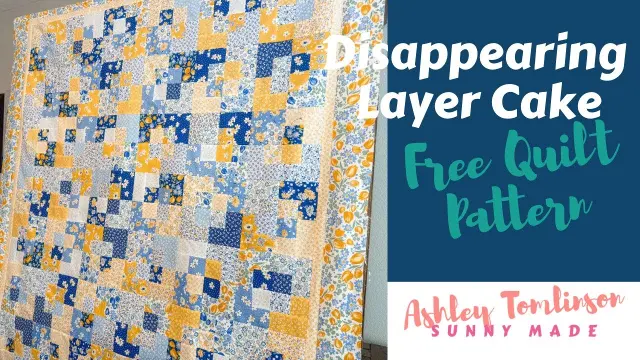 How to Make a Disappearing Layer Cake Quilt
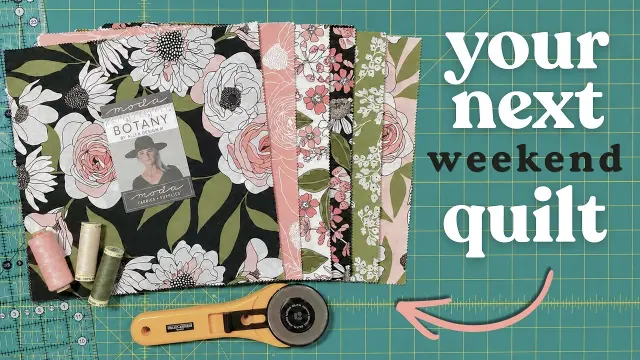 Framed Blooms Easy Layer Cake Quilt Project
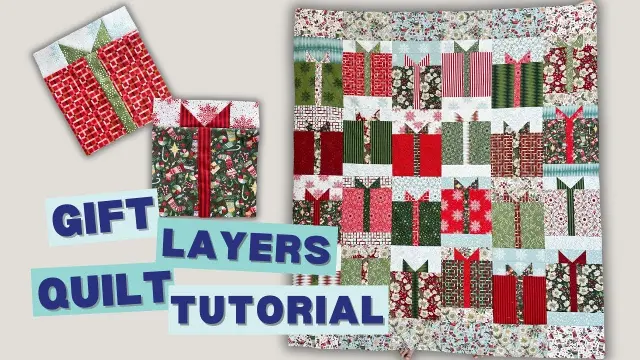 Beginner Friendly Gift Layers Holiday Quilt Tutorial
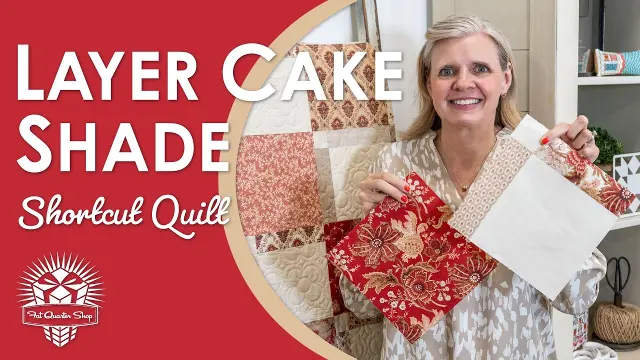 Layer Cake Shade Quilt Tutorial and Free Pattern
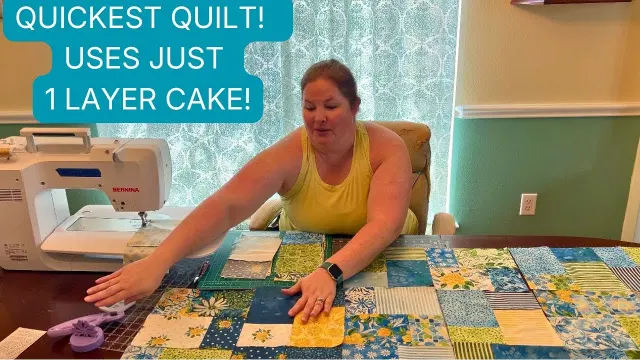 Double Slice Layer Cake Quilt Demonstration
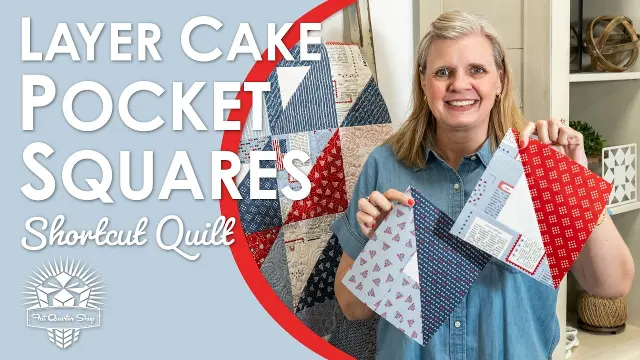 Free Layer Cake Pocket Square Quilt Tutorial
Get new #Layer Cake Quilt ideas by email
Every Thursday: the week's best ideas, with the newest from #Layer Cake Quilt.
Collections
Related tags
Layer Cake Quilt Guide
What a layer cake quilt is
A layer cake quilt is a quilt made with a fabric pre-cut called a layer cake: a stack of square fabric pieces, usually cut to the same size. Quilters use these squares as a simple starting point for patchwork because they save cutting time and make it easier to mix prints from one fabric collection. The name comes from the neatly stacked, layered look of the bundle.
Layer cake quilts are popular with beginners because the squares are already coordinated, but they are also useful for experienced quilters who want to make a quilt quickly. You can use the squares as they are, cut them into smaller pieces, or combine them with plain fabric to create borders, sashing, or backgrounds.
How they are used
Read more
The easiest layer cake quilts keep the squares large and let the fabric prints do the work. A simple layout can turn a stack of squares into a balanced quilt top with very little waste. Other designs cut the squares into triangles, strips, or smaller blocks to create more movement and variety.
Common ways to use a layer cake include:
- Simple square layouts for a clean, graphic look
- Half-square triangle blocks for stars, pinwheels, and diagonal patterns
- Strip-pieced blocks for a faster patchwork finish
- Framed blocks with background fabric to make each print stand out
- Disappearing-style blocks, where one block is cut apart and rearranged for a more complex look
Because the pieces are already matched in size, layer cake quilts are helpful when you want a project that feels organized and manageable.
Styles and techniques
Layer cake quilts can suit many styles, from modern and minimal to traditional and scrappy. The final look depends on how you arrange the prints and how much background fabric you add.
Some common techniques include:
- Chain piecing, which helps you sew many pieces efficiently
- Trimming blocks carefully so the quilt top stays even
- Pressing seams in a consistent direction to reduce bulk
- Mixing busy prints with solids or low-volume fabrics for contrast
- Using sashing or borders to give the design room to breathe
If you enjoy symmetry, you may prefer repeated block layouts. If you like a softer, more playful look, try alternating prints across the quilt top so no two identical fabrics sit too close together.
Tips for beginners
If this is your first layer cake quilt, start with a pattern that uses the squares with as little cutting as possible. That makes it easier to focus on accurate sewing and pressing. Keep your seam allowance consistent, and check the size of your blocks as you go, especially if the design involves smaller cut pieces.
A few practical tips:
- Sort the squares before sewing so the prints and colors are evenly spread out
- Use a design wall or flat surface to test your layout before stitching rows together
- Choose a simple backing and binding if you want the quilt top to be the main feature
- Save leftover fabric pieces for matching pillow covers, scrappy borders, or binding
Layer cake quilts are a good way to build confidence because they combine convenience with plenty of design choices. Once you understand how the squares work, you can make the quilt as simple or as intricate as you like.
#Layer Cake Quilt: frequently asked questions
What exactly is a layer cake quilt, and why do quilters like starting with one?
It is a quilt made from a layer cake, a bundle of same-sized fabric squares stacked together, which you sew into patchwork. The appeal is that the squares are already cut and coordinated, so you skip a lot of measuring and get prints that mix well from the start. That makes it a friendly entry point for beginners while still giving experienced quilters a fast, organized project.
Do I need a pattern to make a layer cake quilt, or can I just sew the squares together?
You can absolutely sew the squares as they are for a clean, graphic quilt top that lets the prints carry the design. Patterns become useful when you want more movement, such as turning squares into triangles, strips, or framed blocks. Starting with a layout that needs little or no cutting is the usual advice for a first attempt, because it keeps your attention on accurate seams and pressing.
How do I decide which style of layer cake quilt to make?
Think about the look you want first: repeated blocks read as symmetrical and traditional, while alternating prints loosely across the top feels softer and more playful. From there, choose a technique that matches your patience for cutting, since simple square layouts finish quickly and disappearing or triangle designs take more piecing. Adding background fabric, sashing, or borders gives busy prints room to breathe.
What supplies do I need besides the layer cake itself?
You will need the usual quiltmaking basics: a sewing machine, rotary cutter, ruler and mat, thread, pins, and an iron for pressing seams. Plan on backing fabric, batting, and binding to finish the quilt, plus optional solid or low-volume fabric if your design calls for backgrounds or sashing. A flat surface or design wall helps you test the arrangement before you sew rows together.
How should I care for a finished layer cake quilt?
Treat it like any pieced quilt: wash gently in cool water with a mild detergent and avoid harsh bleaching or high heat, which can shrink batting and fade prints. Quilts made from many different fabrics can bleed, so testing a scrap of any deep or saturated print first is a sensible habit. Store it folded out of direct sunlight, and air it rather than washing more often than it truly needs.
What mistakes do beginners usually make with layer cake quilts?
The most common one is inconsistent seam allowance, which throws off block size and makes rows hard to line up, so check block measurements as you go. Another is sewing without sorting the squares first, which can leave the same print clustered in one corner of the quilt. Pressing seams carelessly creates bulky joins, and skipping a layout test means you often notice an awkward pairing only after it is stitched.
Videos come from YouTube and posts from Instagram; titles and summaries are our own. All rights belong to their creators.