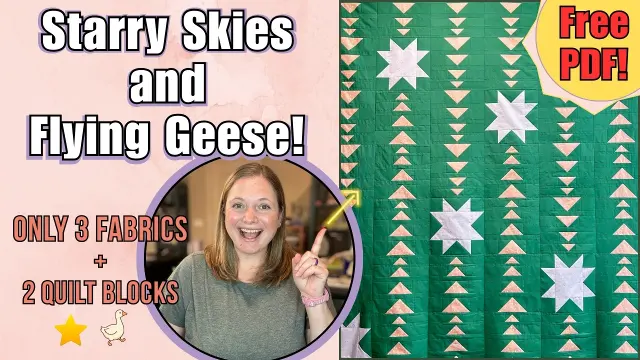
 Beginner Star Quilt Featuring Flying Geese
#Quilt Pattern
5 ideas
Beginner Star Quilt Featuring Flying Geese
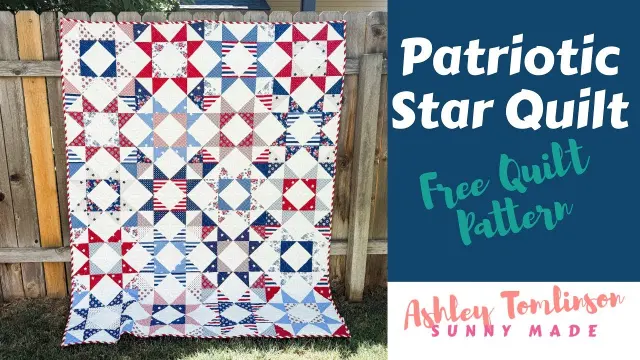 How to Make a Half-Square Triangle Layer Cake Quilt
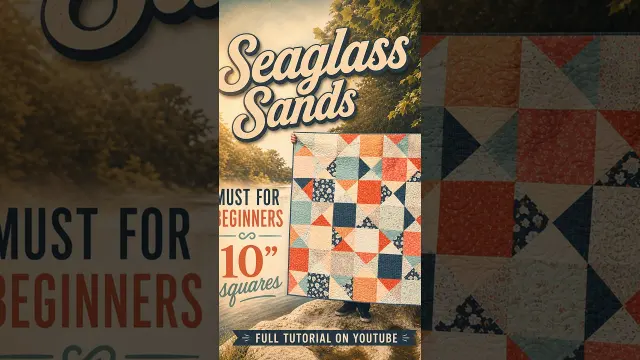 Fast Scrappy Hourglass Quilt Pattern for Layer Cake Squares
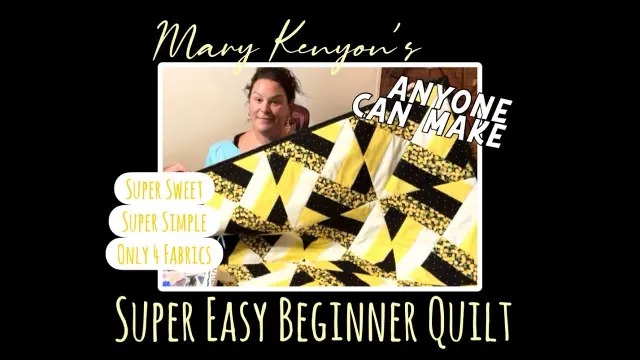 Easy and Impressive Scrappy Baby Quilt Tutorial
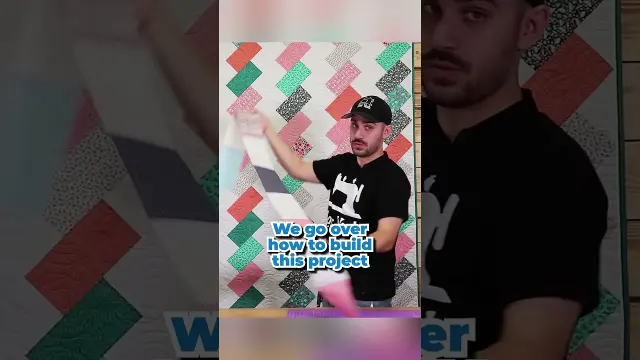 Side Step Layer Cake Quilt Quick Project Idea
Get new #Quilt Pattern ideas by email
Every Thursday: the week's best ideas, with the newest from #Quilt Pattern.
Related tags
Quilt Patterns for Beautiful Patchwork Quilts
What a quilt pattern is
A quilt pattern is a plan for making a quilt from separate pieces of fabric, batting, and backing. It guides you through the size, shape, order, and layout of the pieces so the finished quilt comes together in a clear, repeatable way. Quilt patterns can be simple or highly detailed, and they are used for everything from baby quilts and bed quilts to wall hangings and table covers.
Quilting has a long history in many cultures, where layers of fabric were stitched together for warmth, durability, and decoration. Over time, quiltmaking also became a creative form of textile art, with patterns passed along, adapted, and reimagined in many different styles.
Common quilt pattern styles
Read more
Some quilt patterns are built from geometric blocks, such as squares, triangles, stars, or strips. These are often easy to plan and can be changed in endless ways by shifting colours and fabrics. Other patterns use a more improvised approach, with irregular shapes or a freer layout.
A few common types include:
- Block quilts, where the same block is repeated across the top
- Strip quilts, made from long fabric bands
- Scrap quilts, which use leftover pieces in a balanced or playful way
- Appliqué quilts, where fabric shapes are sewn onto a background
- Patchwork quilts, where many smaller pieces form the design
You will also see patterns described by their construction method, such as half-square triangles, flying geese, or hourglass units. These are small building blocks that can be combined into many different quilt layouts.
What beginners should know
If you are new to quilting, start with a pattern that has clear cutting instructions and a simple block structure. Straight seams and repeating pieces are easier to manage while you learn. Before you begin, read the whole pattern once so you understand the sequence of steps and the final size.
It helps to choose fabrics that give enough contrast between light and dark pieces. Good contrast makes the design easier to see. Accurate cutting and consistent seam allowances also matter, because even small differences can affect how the blocks fit together.
Helpful techniques
Quilt patterns often rely on a few basic skills:
- Cutting fabric accurately
- Piecing with a steady seam allowance
- Pressing seams carefully as you go
- Joining blocks so corners line up neatly
- Layering the top, batting, and backing before quilting
You do not need to master every technique at once. Many quilters learn by making one block, then several, then a full quilt top. If a pattern includes small triangle units or multiple seams, take your time and sew a test piece first.
Choosing a pattern that suits you
When picking a quilt pattern, think about the finished size, the fabrics you want to use, and how much time you have. Large, simple shapes can feel calm and modern, while small pieced blocks create a more detailed look. Scrappy patterns are useful if you enjoy mixing fabrics, while repeating block patterns can give a more structured result.
Above all, let the pattern support your sewing rather than complicate it. A good quilt pattern gives you enough guidance to stay organised, while still leaving room for your own colour choices and personal style.
#Quilt Pattern: frequently asked questions
How do I start making a quilt pattern as a beginner?
Start with a simple design that has clear cutting instructions and repeating pieces, such as a block-based or strip-based quilt. Read the full pattern before cutting any fabric so you understand the steps, the layout, and the finished size.
What materials do I need for a quilt pattern?
Most quilt patterns call for fabric for the top, batting for the middle layer, and backing fabric. You will also need basic sewing supplies for measuring, cutting, piecing, pressing, and quilting the layers together.
Which type of quilt pattern is best for a first project?
A beginner-friendly pattern usually has straight seams, simple shapes, and a repeating block structure. Designs with strong contrast and fewer tiny pieces are easier to follow and help the quilt top come together neatly.
How do I choose a quilt pattern that fits my style?
Think about whether you want a clean, modern look or a more detailed, scrappy feel. Large shapes and simple layouts feel calm and structured, while patchwork, scrap, or appliqué styles can look more playful and personal.
What are common mistakes to avoid when following a quilt pattern?
Skipping the pattern instructions or not checking the sequence can make the project harder than it needs to be. Inaccurate cutting, uneven seam allowances, and poor pressing can also cause pieces to stop lining up well.
How do I care for a finished quilt?
Handle it gently and store it in a clean, dry place away from direct sunlight when possible. When washing is needed, follow the fabric care directions for the materials used and let the quilt dry fully before folding it away.
Videos come from YouTube and posts from Instagram; titles and summaries are our own. All rights belong to their creators.