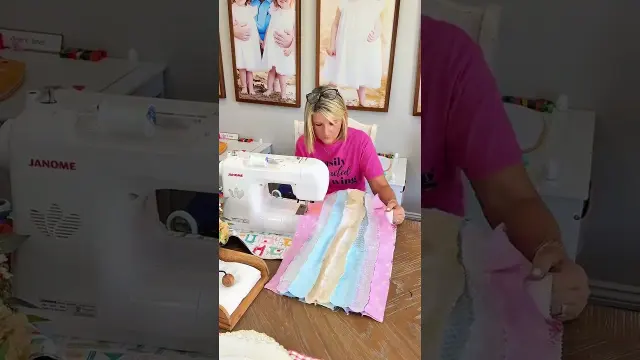
 Super Easy Jelly Roll Race Quilt Tutorial for New Sewists
#Easy Sewing
2 ideas
Super Easy Jelly Roll Race Quilt Tutorial for New Sewists
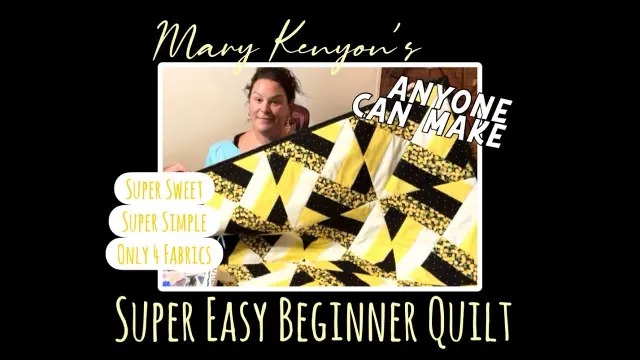 Easy and Impressive Scrappy Baby Quilt Tutorial
Get new #Easy Sewing ideas by email
Every Thursday: the week's best ideas, with the newest from #Easy Sewing.
Related tags
Easy Sewing: A Beginner's Guide to Simple Projects
Sewing does not have to be difficult to be satisfying. Some of the most rewarding things you can make are built from straight lines, rectangles and a handful of seams — the kind of work you can finish in an afternoon and actually use afterwards. Easy sewing is less a technique than an approach: choosing projects that fit the skills you have today and let you pick up the rest as you go.
What easy sewing means
At its heart, sewing is the joining of fabric with needle and thread, by hand or by machine. Easy sewing puts the emphasis on simple shapes, few pattern pieces and seams that run straight, so that the finished object depends on care rather than on precision. It is a friendly doorway into a very old craft: people have stitched clothing and household cloth by hand for as long as they have worn clothes, and the sewing machine simply added speed to the same basic operations. Nothing about the beginner's version is a watered-down imitation — it is the same craft, at a gentler pace.
A kit small enough to start
Read more
You do not need much, and you certainly do not need everything at once. A workable beginning looks like this:
- Fabric shears kept for cloth only, so they stay sharp
- A seam ripper, which is a tool for learning, not for failure
- Pins or sewing clips, a tape measure and a marking pen or chalk
- Hand needles and a few spools of all-purpose thread
- An iron, which quietly improves more sewing than any other item on this list
- A sewing machine, if you have one — many first projects can be sewn entirely by hand
Fabric that forgives
Medium-weight woven cotton and cotton blends are kind to beginners: they hold a crease, do not slide, and do not stretch under the needle. Save slippery fabrics, fine silks and stretchy knits until the basics feel familiar, and leave strong patterns and stripes aside for a while, since matching them takes practice. Washing and pressing new fabric before you cut avoids surprises later, when the finished piece is washed for the first time.
The techniques worth learning first
Almost everything else grows out of four habits: sewing a straight seam with an even allowance, backstitching at both ends to lock the thread, placing fabric right sides together, and pressing each seam as you finish it. Practise on scraps before you commit to the good cloth — a few minutes of stitching lines on a spare square teaches more than reading about them.
Good first projects
Pillowcases, simple tote bags, cloth napkins, drawstring pouches, elastic-waist skirts and small patchwork quilts made from fabric scraps all rely on straight seams and rectangles. They also finish quickly, which matters: a completed small thing teaches more than an unfinished ambitious one. Look for patterns described as beginner level, read them fully before cutting, and keep the machine's manual within reach. The seam ripper will be used; that is part of the process, and the stitching gets better because of it.
#Easy Sewing: frequently asked questions
How do I start sewing if I have never done it before?
Start with a project whose shape is basically rectangles: a pillowcase, a tote bag, a set of cloth napkins. Before you cut into good fabric, stitch a few lines on a scrap square so your hands get used to the machine or the needle. Choose patterns labelled for beginners and read them all the way through first, because understanding the order of steps matters more than speed.
What do I actually need to begin, and do I need a sewing machine?
A modest kit is enough: fabric shears kept only for cloth, pins or clips, a tape measure, a marking pen or chalk, hand needles, all-purpose thread, a seam ripper and an iron. A machine is optional at the start, since plenty of first projects can be sewn entirely by hand. If you do use a machine, keep its manual nearby while you learn its settings.
Which fabrics are easiest for a beginner to work with?
Medium-weight woven cotton and cotton blends are the most forgiving, because they hold a crease, stay put under the needle and do not stretch out of shape. Slippery fabrics, fine silks and stretchy knits are easier to handle once the basics feel natural, and busy prints or stripes are worth postponing since matching them takes practice. Wash and press new fabric before cutting so the finished piece does not surprise you the first time it is laundered.
What are the first techniques worth learning?
A handful of habits carry almost everything else: stitching a straight seam with a consistent allowance, backstitching at both ends to lock the thread, putting fabric right sides together, and pressing each seam as soon as it is sewn. Pressing in particular quietly improves results more than any other step. Practise each one on spare cloth rather than on your good fabric.
Can I learn to sew without a sewing machine?
Yes. Hand sewing is the same craft at a gentler pace, and many small projects such as pouches, napkins and simple bags can be completed with needle and thread alone. Working by hand also teaches you how fabric behaves, which makes machine sewing easier later on.
What mistakes do beginners make most often?
Skipping the iron, forgetting to backstitch, and cutting fabric before reading the pattern through are the usual ones, along with using fabric shears on paper and dulling them. Treat the seam ripper as a learning tool rather than a sign of failure, because unpicking and resewing is how the stitching improves. Finishing one small thing teaches far more than leaving a bigger project half done.
Videos come from YouTube and posts from Instagram; titles and summaries are our own. All rights belong to their creators.