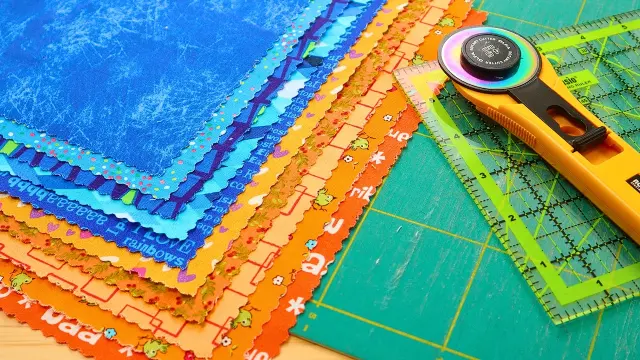
 Fast and Simple One-Block Layer Cake Quilt Tutorial
#Quilting Tutorial
10 ideas
Fast and Simple One-Block Layer Cake Quilt Tutorial
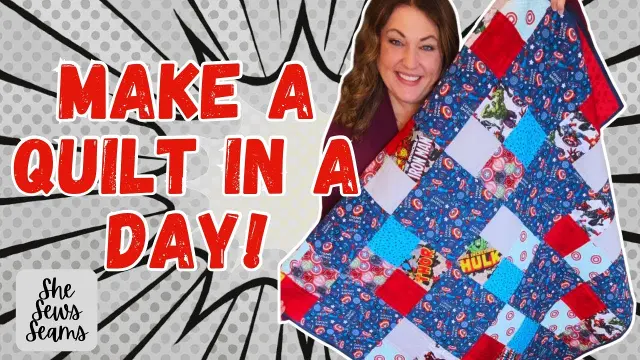 Fast Four Patch Baby Quilt Tutorial for New Sewists
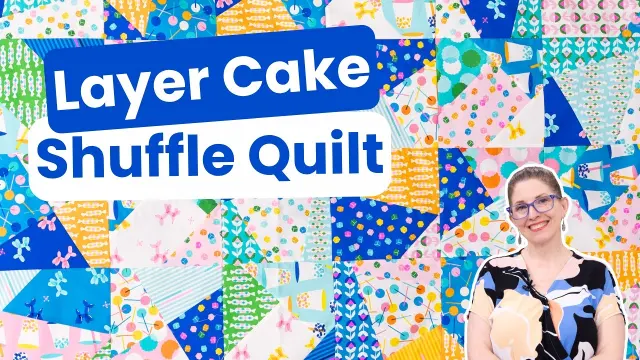 Quick and Easy Layer Cake Shuffle Quilt Tutorial
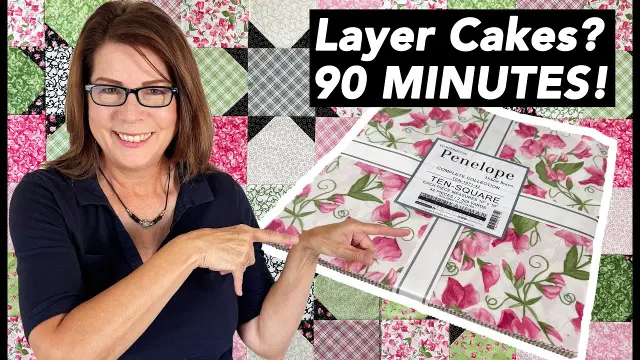 Fast and Easy 90-Minute Layer Cake Quilt Tutorial
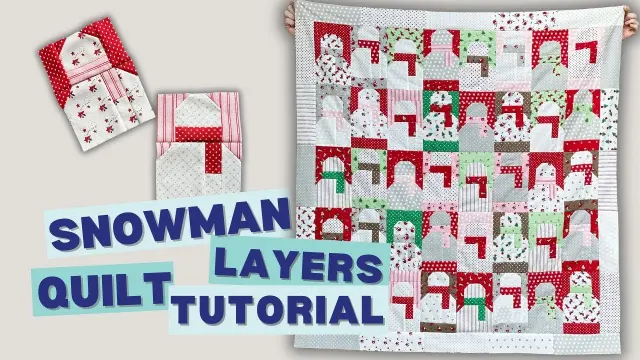 Snowman Layers Quilt Tutorial with One Layer Cake
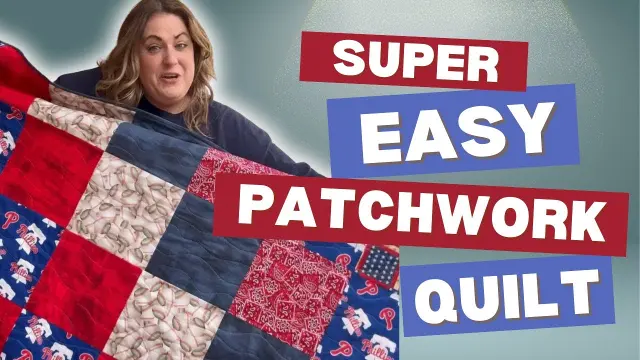 Step-by-Step Simple Themed Patchwork Quilt for Beginners
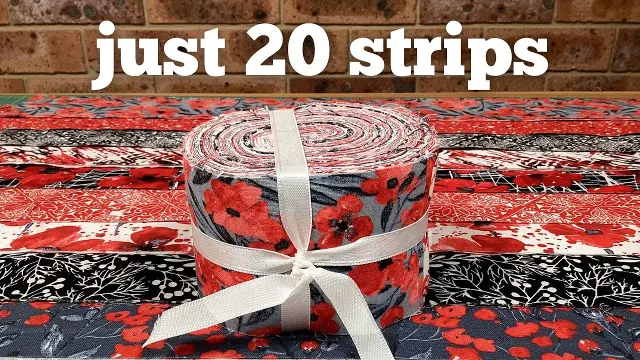 Fast and Easy Jelly Roll Baby Quilt Made in One Day
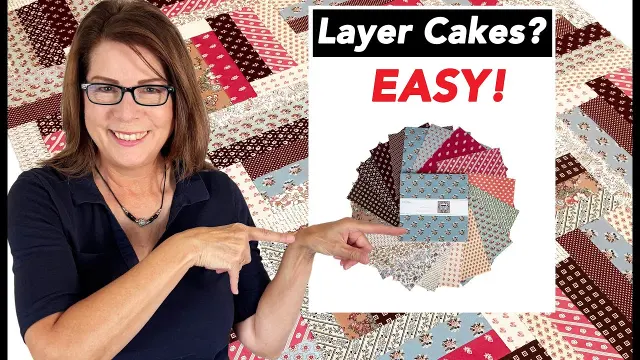 Four-Hour Layer Cake Quilt Top Tutorial from Squares
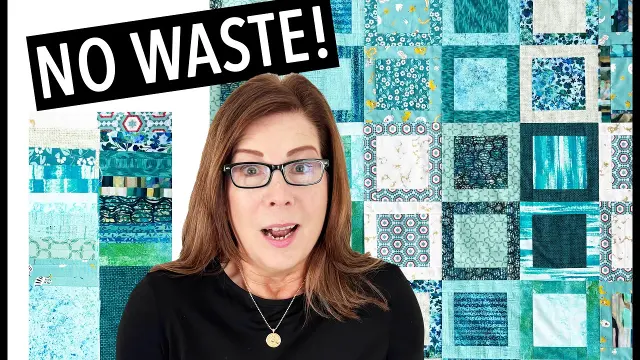 Fast Zero-Waste Quilt Tutorial Using One Layer Cake
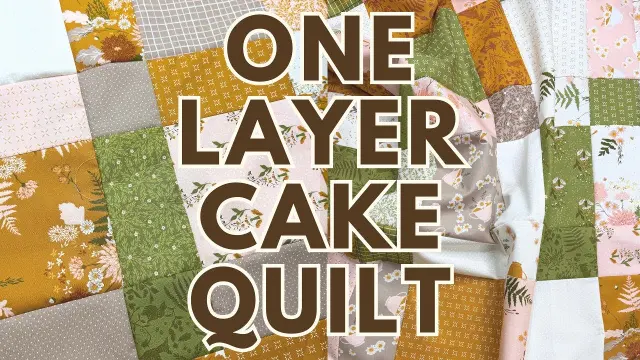 Make a Throw Quilt Using Just One Layer Cake
Get new #Quilting Tutorial ideas by email
Every Thursday: the week's best ideas, with the newest from #Quilting Tutorial.
Related tags
Quilting Tutorial Guide for Beginners
What quilting is
Quilting is the craft of making a padded textile by joining two or more layers of fabric together. In its simplest form, those layers are a top layer made from pieces of fabric, a middle layer of batting for softness and warmth, and a backing layer on the underside. The stitching that holds these layers together can be decorative, practical, or both.
Quilting has a long history in many cultures. It has been used for bedding, clothing, and household textiles, and it remains popular because it combines usefulness with endless creative possibilities. You can make a quilt that is bold and graphic, soft and traditional, or simple and modern.
Main types of quilting
Read more
There are several common approaches you may come across:
- Patchwork quilting: small pieces of fabric are sewn together to form a larger design.
- Appliqué quilting: fabric shapes are added on top of a background.
- Wholecloth quilting: the quilt top is made from a single piece of fabric, with the design created mainly through stitching.
- Hand quilting: the layers are stitched together by hand for a soft, textured finish.
- Machine quilting: the layers are joined with a sewing machine, often faster and more practical for larger projects.
Many beginners start with patchwork because it is easy to plan and gives you a lot of room to practice sewing straight seams.
What you need to know before you start
A successful quilt begins with careful preparation. Choose fabrics that feel comfortable together and are easy to handle. Cotton is a common choice because it is stable, durable, and simple to sew. Prewash if you want to reduce later shrinkage, but if you do, be consistent with all the fabrics you use.
Accurate cutting matters. Use a ruler, rotary cutter, and cutting mat if you have them, and check your measurements before you sew. Small errors add up quickly in patchwork, so it helps to sew with a steady seam allowance and press each seam as you go.
A simple quilting process
A basic quilting project usually follows these steps:
- Plan the design and choose your fabrics.
- Cut the fabric pieces.
- Sew the pieces into rows or blocks.
- Press the seams carefully.
- Layer the quilt top, batting, and backing.
- Baste the layers together so they do not shift.
- Quilt through all three layers by hand or machine.
- Trim the edges and finish with binding.
You do not need to make the first quilt complicated. A simple block design, such as squares or strips, is a good way to learn the rhythm of cutting, piecing, and pressing.
Helpful tips for beginners
Start with a smaller project, such as a baby quilt, table topper, or lap quilt, so you can finish it without feeling overwhelmed. Keep your first fabrics limited to a few colors or prints. That makes the design easier to balance and the sewing easier to follow.
Press seams open or to one side, but be consistent within the project. Take your time when basting, because this step helps prevent puckers later. If your stitches are not perfectly even, do not worry; quilting often looks best when it feels handmade.
Most of all, treat each project as practice. Every quilt teaches you something new about color, texture, pattern, and patience.
#Quilting Tutorial: frequently asked questions
How do I start quilting if I’m a complete beginner?
Begin with a simple design made from squares or strips so you can focus on sewing straight seams and pressing well. A small project like a baby quilt, lap quilt, or table topper is a good way to learn without feeling overwhelmed.
What supplies do I need for a basic quilting project?
You need fabric for the top, batting for the middle, and backing fabric for the underside, plus thread and a way to cut accurately. A ruler, rotary cutter, cutting mat, and an iron are especially helpful for keeping your pieces neat and your seams flat.
Which type of quilting is best for beginners?
Patchwork is often the easiest place to start because it uses simple shapes and lets you practice matching seams and building a design piece by piece. If you want a quicker finish, machine quilting is also practical once the layers are assembled.
What kind of quilt should I make for a gift or special occasion?
For gifts, baby quilts and throw quilts are popular because they are useful and manageable projects. You can choose soft colors for a nursery, bold prints for a modern home, or themed patchwork to match a celebration or favorite style.
What are the most common mistakes to avoid when quilting?
Inaccurate cutting and uneven seam allowances are two of the biggest problems because small errors add up as the quilt grows. It also helps not to rush basting or pressing, since those steps keep the layers smooth and reduce puckers later.
How should I care for a finished quilt?
Follow the care needs of the fabrics you used, and wash gently so the layers stay in good shape. Let the quilt dry carefully and store it folded in a clean, dry place to help preserve the fabric and stitching.
Videos come from YouTube and posts from Instagram; titles and summaries are our own. All rights belong to their creators.