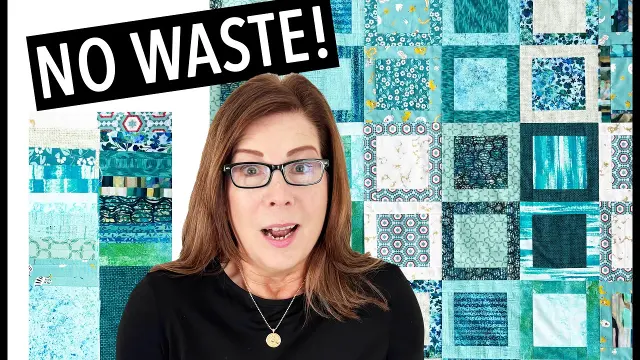
 Fast Zero-Waste Quilt Tutorial Using One Layer Cake
#Zero Waste
1 ideas
Fast Zero-Waste Quilt Tutorial Using One Layer Cake
Get new #Zero Waste ideas by email
Every Thursday: the week's best ideas, with the newest from #Zero Waste.
Related tags
Zero Waste Living: A Beginner's Guide to Doing More With Less
Zero waste is a way of living and making that aims to keep materials in use for as long as possible, so that as little as possible ends up in landfill or incineration. In its broadest sense it is not only about rubbish bins: it is a design principle, a set of everyday habits and a way of thinking about the things we buy, keep, repair and pass on.
Where the idea comes from
The phrase has roots in industrial and environmental thinking. Manufacturers and municipalities began using "zero waste" to describe systems in which waste from one process becomes raw material for another, echoing older ideas about thrift and reuse. Over time the term moved into households too, where it usually means buying less, choosing reusable over disposable, repairing before replacing and keeping useful materials out of the bin.
The commonly cited principles
Read more
Many people describe zero waste through a ladder of priorities, sometimes called the five Rs:
- Refuse what you do not need — free samples, extra packaging, single-use items.
- Reduce what you do need — buy fewer things, and of better quality.
- Reuse what you have — containers, bags, clothing, furniture, tools.
- Repair and repurpose before discarding — mending, darning, adapting, sharing.
- Recycle what remains, and compost what can rot.
The order matters. Recycling is valuable but comes last, because it still requires energy and does not always produce material of the same quality.
What it looks like in a home
For most people zero waste is a direction rather than an absolute. Realistically, it involves small, durable changes: carrying a bag and a water bottle, keeping a lidded container for leftovers, choosing loose produce, learning a few basic repairs, keeping a box of fabric scraps and odd buttons, and letting one change settle before starting the next.
Craft and textile skills sit at the heart of the idea. Patchwork, mending, knitting, quilting from leftovers, upcycling furniture and turning worn clothing into something new all delay the moment a material becomes rubbish. The same is true of cooking with what is already in the cupboard, and of composting food scraps instead of sending them away.
What beginners should know
Start with an audit, not a shopping list. Note for a week or two what you actually throw away; the pattern will tell you which change is worth making first.
Avoid buying new "zero waste" equipment to replace things that already work. Glass jars, cloth bags and old containers you own are just as good as ones bought for the purpose.
Accept some waste. Medical supplies, safety items and things beyond your control cannot always be avoided, and guilt is not a useful tool. Consistency matters far more than perfection, and a habit that lasts is better than a month of rigid rules.
Finally, share the skills. Repairing, mending, cooking and making are easiest to learn alongside other people, and the knowledge moves faster than the objects do.
#Zero Waste: frequently asked questions
How do I actually start with zero waste?
Start by watching your bin rather than by shopping: for a short while, note what you throw away most often. That pattern shows you which single change is worth making first, whether it is food scraps, packaging or worn clothing. Make that one change until it feels automatic, then add another.
Do I need to buy special zero-waste equipment?
No. Glass jars, cloth bags, old containers and the tools you already own do the same job as purpose-bought versions, and replacing things that still work creates waste rather than preventing it. If something is genuinely missing, look for it secondhand or make it from what you have.
Which zero-waste habit should I pick first?
Choose the one that matches the biggest or most frequent thing in your rubbish, since that is where the change is easiest to keep. Everyday swaps such as carrying a bottle and a bag, buying loose produce or keeping a container for leftovers tend to stick better than ambitious overhauls. Habits that last beat a strict routine abandoned after a short while.
How do I look after reusables and mended items so they last?
Wash and dry them properly, store them where you will actually see and use them, and mend small damage before it spreads. Keep a basic repair kit and a box of fabric scraps and spare buttons, so a loose seam or a hole is a quick fix rather than a reason to discard. Caring for what you own is the part of zero waste that saves the most.
Can I make zero-waste gifts or decorations for a celebration?
Yes, and celebrations are one of the easiest places to try it: wrap gifts in fabric or reused paper, give experiences or homemade food, and decorate with things that can be kept, borrowed or composted afterwards. Textile projects such as patchwork, quilting from leftovers or upcycling furniture make personal gifts that also keep material in use.
What mistakes do beginners make most often?
Buying new kit in the name of zero waste, chasing perfection, and treating recycling as the first step instead of the last. Some waste is unavoidable, and guilt is a poor motivator; consistency and shared skills carry the habit much further than rigid rules.
Videos come from YouTube and posts from Instagram; titles and summaries are our own. All rights belong to their creators.