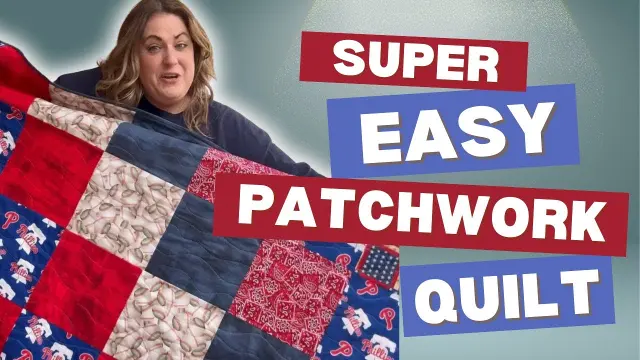
 Step-by-Step Simple Themed Patchwork Quilt for Beginners
#Patchwork Quilt
1 ideas
Step-by-Step Simple Themed Patchwork Quilt for Beginners
Get new #Patchwork Quilt ideas by email
Every Thursday: the week's best ideas, with the newest from #Patchwork Quilt.
Related tags
Patchwork Quilt Guide
What a patchwork quilt is
A patchwork quilt is a quilt made by sewing together small pieces of fabric to form a larger patterned top. Those fabric pieces, called patches or blocks, are usually arranged in repeating shapes, colour families, or more free-form designs. The finished quilt is typically made in three layers: a patchwork top, a soft middle layer of batting, and a backing fabric, all held together by stitching.
Patchwork has a long history in home sewing and handcraft traditions. It developed partly from the practical habit of using leftover fabric pieces, but it also became an expressive craft in its own right. Today, patchwork quilts are valued both for their usefulness and for the personal stories they can hold.
Common styles and forms
Read more
Patchwork quilts can look very simple or highly detailed. Some use neat geometric blocks, while others mix many shapes and textures for a more relaxed, collected look. A few common approaches include:
- Block quilts, where each square or section is built from a repeated pattern
- Strip piecing, where fabric strips are sewn together before being cut into units
- Scrappy quilts, which use many different leftover fabrics
- Sampler quilts, where each block is a different design
- Wholecloth-style quilts with patchwork only in the top layer and simple quilting
You can also find patchwork in traditional patterns based on squares, triangles, diamonds, and hexagons. The choice of shape changes the feel of the quilt, from orderly and classic to playful and busy.
How patchwork quilts are made
The basic process is straightforward, though accuracy matters if you want pieces to fit well. First, you cut fabric into the chosen shapes. Then you sew the pieces into blocks or strips, press the seams, and join everything into a full quilt top. After that, the quilt sandwich is assembled with batting and backing. The final step is quilting, which means stitching through all layers to hold them together.
Quilting can be done by hand or by machine. Some quilts use straight line stitching, while others use curved or decorative stitching. Binding is then added around the edge to cover the raw fabric edges and finish the quilt neatly.
What beginners should know
If you are new to patchwork, start with simple shapes and a limited number of fabrics. Straight seams and repeated blocks are easier to manage than complicated, tiny pieces. Choose cotton fabrics that are similar in weight so the quilt lies smoothly.
A few practical tips can help:
- Cut carefully, because small measuring errors add up
- Press seams as you go for flatter, cleaner joins
- Use a consistent seam allowance
- Keep fabric grains in mind so the pieces do not stretch
- Lay out the blocks before sewing the top together
- Start with a small project, such as a baby quilt or lap quilt
Why patchwork quilting lasts
Patchwork quilts are loved because they combine usefulness with creativity. They can be made to suit almost any colour palette, from calm and simple to bright and lively. They are also a good way to use fabric remnants, saved clothing, or cherished textiles in a meaningful way.
Whether you prefer careful symmetry or a more improvised look, patchwork gives you room to experiment. With patience and practice, you can turn small pieces of fabric into something warm, durable, and personal.
#Patchwork Quilt: frequently asked questions
How do I start a patchwork quilt if I have never quilted before?
Begin with a small project such as a baby quilt or lap quilt, because it lets you practice the whole process without a long commitment. Pick simple shapes like squares, work with a limited number of fabrics, and sew straight seams with a consistent allowance. Cut carefully and press each seam as you go, since tiny measuring errors have a way of adding up over a whole quilt top.
What supplies and materials do I need to make a patchwork quilt?
You need fabric for the patchwork top, a soft batting for the middle layer, and a backing fabric, plus thread and a needle or sewing machine for the quilting. A rotary cutter, ruler and mat make cutting shapes accurate, and an iron is genuinely necessary for pressing seams flat. Choose cotton fabrics that are similar in weight so the finished quilt lies smoothly and without ripples.
Which patchwork style should I choose?
It depends on whether you want order or a more collected, improvised look. Block quilts and strip piecing suit people who like repetition and tidy geometry, while scrappy quilts use many leftover fabrics for a busy, personal feel and sampler quilts give you one of each design. If you are unsure, try a small sampler or scrappy piece first, since those let you test several shapes and techniques at once.
How should I care for a patchwork quilt so it lasts?
Wash it gently and sparingly, using cool water and a mild soap, and avoid harsh bleaching or high heat that can fade and wear the fabrics. Dry it flat or on a low setting rather than tumbling it hot, and store it folded out of direct sunlight when it is not in use. Because quilts are held together by stitching through all three layers, check the seams and binding occasionally and mend small openings before they grow.
What are common mistakes beginners make with patchwork quilting?
The most frequent problems are cutting inaccurately, changing seam allowance partway through, and skipping pressing, all of which throw blocks out of alignment when you join them. Ignoring fabric grain is another one, as bias edges stretch and distort the finished shape. Laying out all the blocks before sewing the top together also helps you catch awkward colour placements while they are still easy to change.
Can I make a patchwork quilt from old clothes or leftover fabric?
Yes, and it is one of the traditional reasons people quilt at all. Saved clothing, remnants and cherished textiles can become patches, which gives the finished quilt a story and keeps familiar fabrics in use. Just keep the weights of the different fabrics reasonably similar so the top lies evenly and wears consistently.
Videos come from YouTube and posts from Instagram; titles and summaries are our own. All rights belong to their creators.